What is the difference between aloin and aloe vera?
It is very important for procurement professionals in the pharmaceutical, cosmetic, and nutraceutical sectors to know the difference between aloe vera and aloin. Aloe vera is the soothing gel or powder that comes from the inner leaf pulp. Aloin, on the other hand, is a particular bioactive anthraquinone molecule that is found in the outer leaf latex. The main distinction is in their chemical makeup: aloe vera has polysaccharides and vitamins, whereas aloin powder has concentrated medicinal chemicals with different pharmacological characteristics. This thorough study helps experts in the sector make smart judgments about where to get their supplies based on their individual demands for applications and compliance with rules.
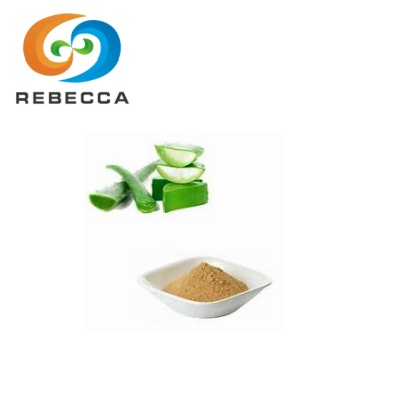
Aloin Powder
Product Name:Aloin Powder
Latin Name:Aloe vera (L.) Burm. f.
Active Ingredient:Aloin
Specification:10% 16%
Test Method:HPLC
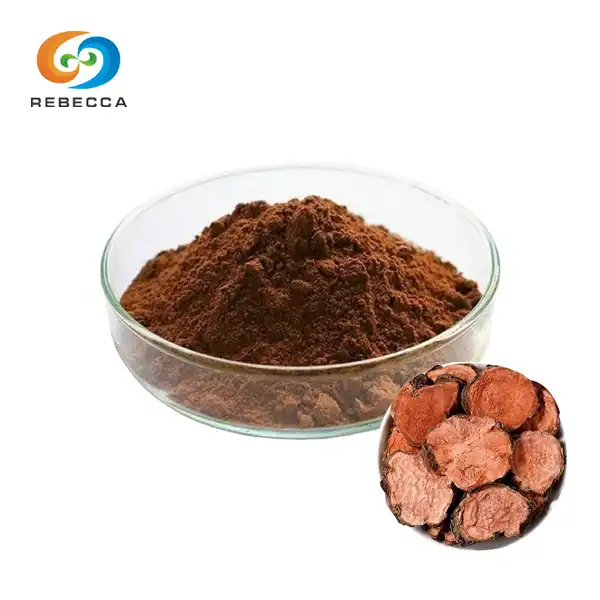
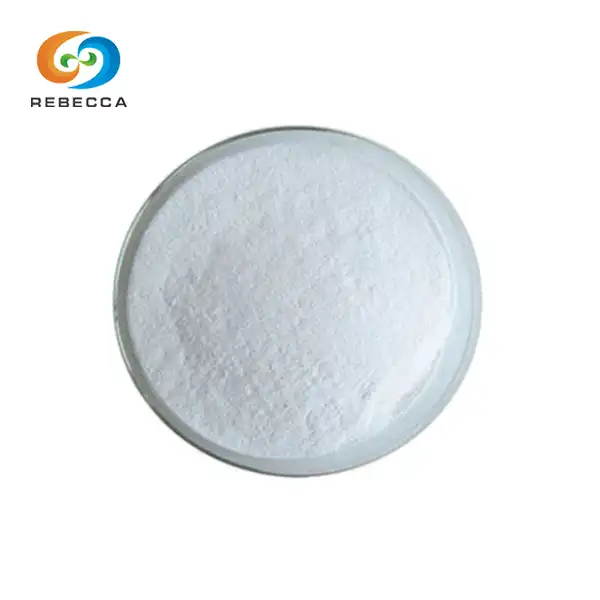
Appearance:Light yellowish-green powder
Cas No.:5133-19-7;1415-73-2
Shelf Life: 2 years
Minimum Order Quantity: 1 kg
Samples: Free samples available
Certifications: GMP, ISO, HACCP, KOSHER, and HALAL.
Payment: Various payment methods accepted.
Advantages: Manufactured in a 100,000-grade cleanroom, our products are additive-free, non-GMO
Inner Package: Double PE Bags; Net 5kg/Bag
Outside Package: Paper Drums, Net 25kg/Drum
Understanding Aloin and Aloe Vera: Basic Concepts and Differences
Botanical Origins and Chemical Composition
Aloe vera (Aloe vera (L.) Burm. f.) is one of the most useful healing plants in nature, having more than 400 varieties across the globe. The plant has medicinal potential because it has two parts: the clear gel in the inner leaf pulp and the yellow latex that contains concentrated aloin chemicals. Aloe vera gel is made up of around 99% water, amino acids, vitamins A, C, and E, and polysaccharides including acemannan that help keep skin moist and reduce inflammation.
Aloin is a strong anthraquinone glycoside that is found in the bitter yellow sap between the outer leaf skin and the inner gel. It is technically designated as CAS numbers 5133-19-7 and 1415-73-2. When processed and standardized to certain quantities, this substance looks as a light yellowish-green powder. The purity levels evaluated by HPLC testing procedures usually range from 10% to 16%.
Processing and Extraction Methods
Modern extraction methods use advanced separation technologies to separate these parts. Aloe vera gel is gently extracted to save the delicate polysaccharides, but aloin extraction needs specific procedures to concentrate the active anthraquinones. Supercritical CO₂ extraction and ultrasonic-assisted procedures are used by advanced facilities to make sure the highest level of purity and bioactivity is maintained. To keep their products clean and up to pharmaceutical-grade requirements, quality producers use cleanrooms that are 100,000-grade.
Key Applications and Benefits Compared: Aloin Powder vs Aloe Vera Products
Pharmaceutical and Therapeutic Applications
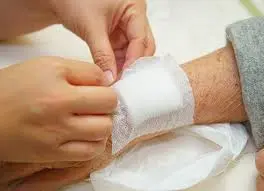
These chemicals have quite different medicinal uses because of their chemical characteristics. Aloe vera gel and powder are mild healing agents that are used in topical goods, wound care products, and digestive supplements. Studies show that polysaccharides in it may help repair burns, lower inflammation, and improve gut health.
Aloin powder has stronger therapeutic benefits, especially in pharmaceutical uses that need standardized active ingredients. It is useful for certain medical formulations because it has antibacterial and laxative characteristics, but careful dose management is needed because of regulatory scrutiny. Because the substance is so strong, it takes a lot of knowledge to make sure that it works well while also being safe in diverse markets.
Cosmetic and Personal Care Applications
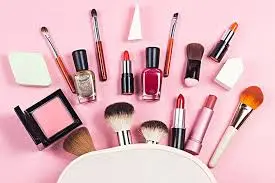
Aloe vera extracts are safe and consumers enjoy them, therefore cosmetic businesses utilize them. The gel is perfect for anti-aging treatments, products for sensitive skin, and products for after-sun care since it keeps skin moist. It works well with a lot of different cosmetic ingredients, so it's great for personal care products that are designed for a lot of different individuals.
More and more, specialist beauty products are incorporating standardized aloin extracts to provide certain benefits. These extracts may have higher antibacterial properties and be good for the skin in certain aspects if they are prepared appropriately and at the right concentration. But formulation takes a lot of safety testing and following the standards to make sure that customers are safe and that the product will be approved by the market.
Procurement Insights: Sourcing Aloin Powder and Aloe Vera Products
Quality Specifications and Certification Requirements
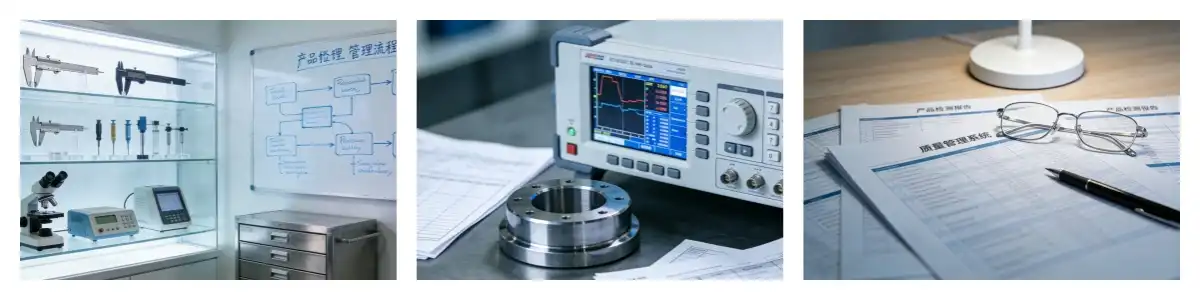
For professional procurement, there must be clear quality standards that encompass safety, purity, and strength. Top vendors provide goods that have been certified by GMP, ISO, HACCP, KOSHER, and HALAL to meet the demands of diverse markets. Heavy metal and pesticide residue testing makes sure that safety requirements are observed, while HPLC testing processes make sure that potency is evaluated accurately.
It's highly crucial for medicine and cosmetic companies to know how their components will operate in each batch. Reputable sellers retain detailed records of each batch, certifications of analysis, and stability testing results that prove the product can endure for two years. Most of the time, storage circumstances call for cool, dry regions that are out of the light and heat to keep bioactivity.
Supply Chain Considerations and Market Dynamics
When you make plans to source goods from across the world, you need to consider about factors like how available they are at different times of the year, how quality varies from place to region, and how to meet the regulations in each target market. The minimum purchase quantity for specialized purposes is generally 1 kilogram. There are discounts for bulk orders when you purchase a lot. The double PE bag with paper drum outer containers (25kg capacity) protects the items secure while they are being delivered throughout the globe.
Reliable vendors provide a variety of payment methods, comprehensive documentation assistance, and technical aid with creating formulas. You may test items out for free and make sure they function with what you currently have before you purchase more. Making links with well-known suppliers provides you long-term stability and a promise of consistent quality.
How to Use and Formulate with Aloin Powder and Aloe Vera?
Formulation Guidelines and Safety Protocols
To make a successful formulation, you need to know how each component works with others, how stable it is, and what the rules are for each ingredient. Aloe vera extracts mix well with water-based products and are stable over a wide variety of pH levels, making them good for cosmetics and nutraceuticals. Because they are mild, you may use them in larger concentrations without worrying too much about safety.
Aloin powder formulation needs careful management of the dose and a lot of safety testing. Regulatory bodies set specified concentration limitations for topical and oral applications. This means that formulators have to find a balance between effectiveness and safety for the customer. Professional help makes sure that you follow the rules set by the FDA, EFSA, and other regional authorities.
Storage and Handling Best Practices
Proper storage keeps materials fresh and makes them last longer all the way through the supply chain. You also need to keep both materials secure from too much heat, moisture, and direct sunlight. Storage facilities with climate control preserve items in the best possible condition, and the correct packaging keeps things clean and safe.
Handling procedures should include the proper personal protective equipment and efforts to prevent objects from becoming dirty. Regular quality control testing makes sure that the product's strength and safety keep the same when it's being stored. This helps the product perform the same way every time and fulfill government standards.
Rebecca's Premium Aloin Powder Solutions
Advanced Manufacturing Capabilities
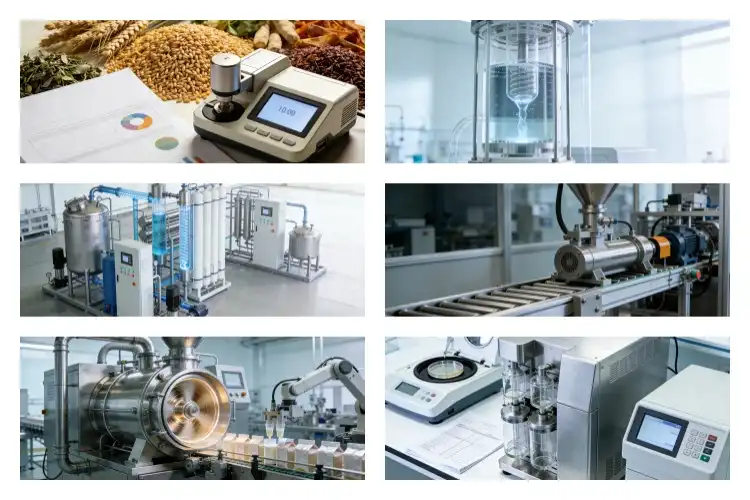
Shaanxi Rebecca makes pharmaceutical-grade aloin powder using the latest extraction and purifying methods. Our 100,000-grade cleanroom manufacturing environment makes sure that production is free of contamination. Our three professional production lines can handle more than 500 metric tons of production each year to suit worldwide bulk procurement needs.
Our unique R&D team uses their knowledge of chemistry, biology, and pharmacology to improve extraction methods and create specific formulations. Advanced supercritical CO₂ extraction and ultrasonic-assisted technologies retain the integrity of the active compounds while getting the exact concentration levels of 10% and 16% aloin content that have been tested using HPLC methods.
Quality Assurance and Compliance Standards
Rebecca has quality control systems in place for everything from sourcing raw materials to delivering the finished product. Each batch of production goes through a lot of testing to make sure it is safe, strong, and pure. The firm also has a lot of documentation to show that it meets all the standards in all markets. We have certifications from GMP, ISO, HACCP, KOSHER, and HALAL, which implies we may operate in many different fields.
The company's manufacturing technique, which doesn't employ GMOs or additives, provides them clean label components that enable them promote their goods as high-end. It's extremely crucial for pharmaceutical purposes that our quality control system examines every stage of the procedure to make sure that each batch is the same. The minimum order quantity (MOQ) is 1 kilogram, which is good for both business and research purposes.
Conclusion
The main distinctions between aloin and aloe vera are in their chemical makeup, health benefits, and uses in business. Aloe vera has mild, general advantages for cosmetic and nutraceutical goods, whereas aloin powder has concentrated bioactive ingredients that are useful for specific medicinal and therapeutic uses. When choosing amongst these elements, procurement experts need to carefully consider their own demands, the rules they have to follow, and the needs of their target market. Success relies on working with recognized suppliers that can provide consistent quality, complete documentation, and technical assistance for the best formulation development.
Partner with Rebecca for Premium Aloin Powder Solutions
Rebecca delivers pharmaceutical-grade aloin powder manufactured in GMP-certified facilities with comprehensive quality assurance and global compliance support. Our technical expertise, flexible minimum order quantities, and customization capabilities make us the preferred aloin powder supplier for pharmaceutical, cosmetic, and nutraceutical companies worldwide. contact us at information@sxrebecca.com to discuss your specific procurement requirements, request free samples, or explore partnership opportunities. Visit sxrebecca.com to discover our complete range of standardized botanical extracts and premium natural ingredients.
FAQ
Q1: Can aloin powder be safely incorporated into dietary supplements?
A: Aloin powder can be used in dietary supplements when properly formulated within regulatory concentration limits. However, its potent laxative effects require careful dosage control and clear labeling to ensure consumer safety. Consultation with regulatory experts ensures compliance with FDA and international guidelines for oral supplement applications.
Q2: What storage conditions are required to maintain aloin powder potency?
A: Aloin powder maintains optimal potency when stored in cool, dry environments away from direct light and heat exposure. Proper packaging in double PE bags within sealed containers prevents moisture absorption and contamination. Under proper storage conditions, the ingredient maintains stability for two years from manufacture date.
Q3: How do I verify the quality and authenticity of aloin powder suppliers?
A: Quality verification requires reviewing supplier certifications (GMP, ISO, HACCP), requesting certificates of analysis for recent batches, and conducting sample testing through independent laboratories. Reputable suppliers provide comprehensive documentation, maintain traceability systems, and offer technical support for formulation development. Site audits and long-term supplier relationships further ensure consistent quality delivery.
References
1. Reynolds, Tom. "Aloes: The Genus Aloe." CRC Press Medicinal and Aromatic Plants Industrial Profiles Series, 2004.
2. Hamman, Josias H. "Composition and Applications of Aloe vera Leaf Gel." Molecules Journal of Natural Products Research, 2008.
3. Boudreau, Michelle D., and Freddy A. Beland. "An Evaluation of the Biological and Toxicological Properties of Aloe Barbadensis." Journal of Environmental Science and Health, 2006.
4. Eshun, Kofi, and Qian He. "Aloe vera: A Valuable Ingredient for the Food, Pharmaceutical and Cosmetic Industries." Critical Reviews in Food Science and Nutrition, 2004.
5. Grace, Olwen M. "Current Perspectives on the Systematics of Aloe." British Cactus and Succulent Journal, 2011.
6. Sahu, Pradeep K., et al. "Therapeutic and Medicinal Uses of Aloe vera: A Review." Pharmacology and Pharmacy Scientific Research Publishing, 2013.