Standardized Damiana Extract vs. Crude Powder: Critical Differences for B2B Buyers
When looking for damiana extract for your company, it's important to know the main distinctions between standardized extracts and crude powder so you can make the best buying selections. Standardized damiana extract has constant levels of bioactive compounds since the extraction process is regulated. Crude powder, on the other hand, has raw plant material that varies naturally. These different ways of processing have big effects on quality control, following the rules, and making things in the pharmaceutical, supplement, and cosmetics sectors.
Damiana extract, which comes from the Turnera diffusa plant that grows in Central and South America, has become a useful element in B2B marketplaces throughout the world. The rising demand comes from its many uses in herbal formulations, functional drinks, and nutritional supplements. When choosing between standardized extracts and crude powder forms, procurement managers and product developers have to make important judgments. Each option has its own pros and downsides that affect the quality, consistency, and cost-effectiveness of the product.
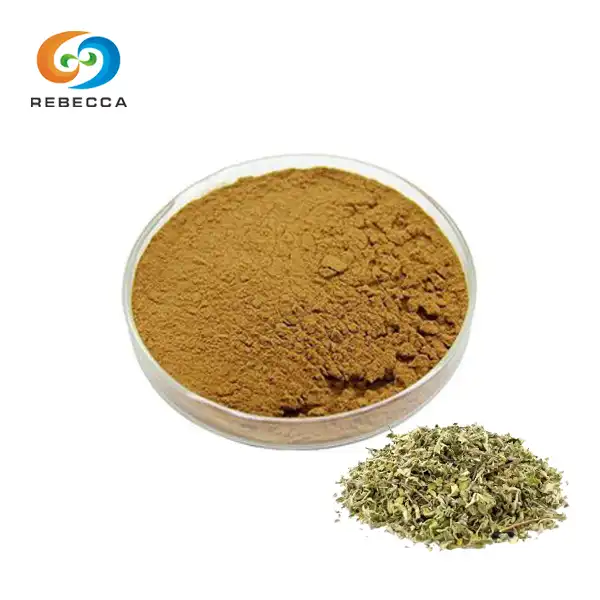
Damiana Extract
【English name】: Damiana Extract
【Other name】: Damiana, Damiana Leaf Extract Powder
【Latin name】: Turnera Aphrodisiaca
【Active ingredients】: Damiana
【Specification】: 4:1 10:1 20:1
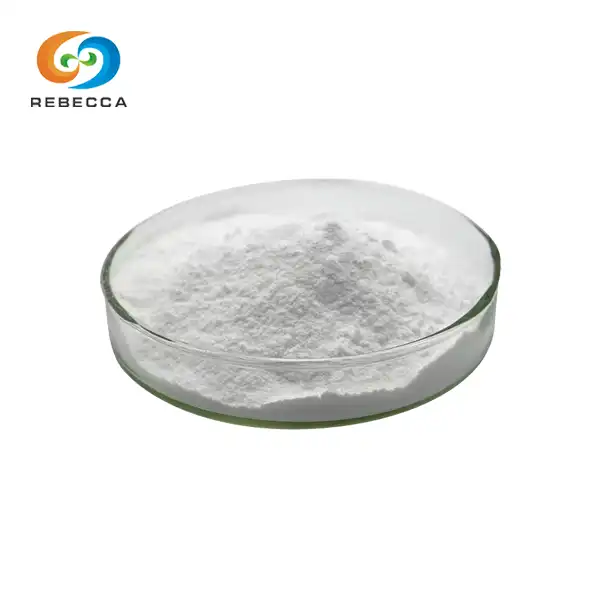
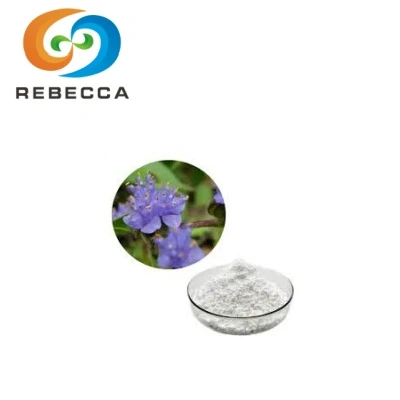
【Appearance】: Brown powder
【Test Method】: HPLC
Shelf Life: 2 years
Minimum Order Quantity: 1 kg
Samples: Free samples available
Certifications: GMP, ISO, HACCP, KOSHER, and HALAL.
Payment: Various payment methods accepted.
Advantages: Manufactured in a 100,000-grade cleanroom, our products are additive-free, non-GMO
Inner Package: Double PE Bags; Net 5kg/Bag
Outside Package: Paper Drums, Net 25kg/Drum
Storage:Store in a cool, dry place away from Light and Heat.
’
Understanding Damiana Extract Forms: Standardized Extract vs. Crude Powder
The botanical foundation of damiana begins with Turnera diffusa, a shrub traditionally used for its bioactive properties. Modern extraction techniques have evolved to create two primary commercial forms, each serving different market needs and manufacturing requirements.
Botanical Origins and Processing Methods
Flavonoids, terpenoids, and phenolic compounds are just a few of the bioactive components found in Turnera diffusa that give it its functional qualities. Standardized damiana extracts are processed in a complicated way utilizing techniques like supercritical CO₂ extraction and ultrasonic-assisted extraction. These methods focus on certain chemicals and bring them to particular levels, which are usually shown as ratios like 4:1, 10:1, or 20:1. This means that for every part of raw material, there is one part of extract.
The most simple way to prepare damiana leaves is to crush them into a fine powder. This is called "crude powder." This form of minimum processing keeps the original component profile intact, but the concentrations might vary based on things like how the plants were harvested, how they were dried, and how they were stored.
Compositional Differences and Bioactive Profiles
The extraction ratio has a big effect on how much bioactive substance is in the final product. A 10:1 damiana extract has chemicals that weigh ten times as much as the raw material, which means that lower doses have more concentrated bioactivity. Standardized extracts let producers select the exact amounts of important substances, which gives them perfect control over the formulation and ensures that the product works the same way every time.
Crude powder keeps all of the naturally existing ingredients, but there is no assurance of efficacy levels. Depending on how the plants are grown and how they are processed, this discrepancy might be anywhere from 15% to 40% between batches. Knowing how these compositions are different helps procurement teams choose the right products that meet production needs and end-product criteria.
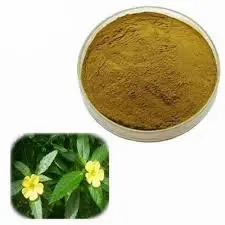
Critical Differences for Procurement: Quality, Consistency, and Application
Quality control considerations form the foundation of successful damiana procurement strategies. The choice between standardized extracts and crude powder directly influences manufacturing consistency, regulatory compliance, and product development capabilities.
Quality Control and Batch Consistency
Standardized damiana extracts have better consistency from batch to batch since they are processed under strict conditions and checked by an analyst. Testing is done on each manufacturing batch to make sure that the amounts of active compounds are correct, which ensures that the finished goods will work as expected. This constancy is very important for pharmaceutical uses where precision dosage needs dependable ingredient potency.
The quality of crude powder relies a lot on where the raw materials come from and how they are processed. Plants have different chemical compositions, and the way they are harvested and stored might also change from season to season. This means that quality checks need to be more thorough. Procurement teams need to use strong testing methods to make sure that each batch fits the criteria.
Regulatory Compliance and Documentation
Regulatory regulations strongly prefer standardized extracts for uses that need to meet FDA, EFSA, or other international standards. Standardized goods usually come with complete documentation packages that include certifications of analysis, stability data, and safety evaluations. This paperwork makes it easier to submit to regulators and helps in the process of registering products.
The process of standardization also makes it easier to meet the standards for ISO certification and Good Manufacturing Practices (GMP). Quality systems benefit from ingredient requirements that are easy to understand and enable verified production procedures and consistent product quality outputs.

Market Comparison: Pricing, Supply, and Vendor Selection for B2B Buyers
Economic factors play a substantial role in damiana procurement decisions, with pricing structures reflecting the value-added processing and quality assurance associated with different product forms.
Cost Analysis and Budget Considerations
Standardized damiana extracts are expensive because they need advanced extraction equipment, analytical testing, and quality certification. The concentration factor also affects cost-effectiveness estimates since extracts with greater potency need less of them to reach the specified bioactive levels in the final goods.
Crude powder costs less up front, but it may need more processing, testing, and handling, which may increase to the cost. Quality checks, possible batch rejections, and changes to the formulation to account for natural differences in bioactive content are all part of the total cost of ownership.
Supply Chain Reliability and Vendor Assessment
When choosing a vendor, you need to look at their manufacturing capacity, quality certifications, and the stability of their supply chain. Leading suppliers show that they can consistently produce goods, have complete quality processes, and are open about product availability and requirements.
When looking at possible providers, you should look at their extraction processes, analytical skills, and certification status. Suppliers with cutting-edge tools like supercritical CO₂ systems and full testing labs usually provide better product consistency and technical assistance.

How to Choose the Optimal Damiana Extract Form for Your Business Needs?
Selecting the appropriate damiana form requires careful consideration of application requirements, target markets, and business objectives. Different industry segments prioritize various factors that influence optimal product selection.
Application-Specific Requirements
Standardized extracts are usually better for pharmaceutical and nutraceutical uses since they need precise dose and must follow the rules. The consistent bioactive profiles back the claims of clinical effectiveness and make it easier to plan product development timetables.
Functional beverage makers frequently use standardized extracts because they dissolve well in water and have a consistent taste. Because it is concentrated, it may be added to liquid formulations without changing the flavor too much or causing stability problems.
Depending on the product's location and regulatory needs, either form may be used in cosmetics. Most premium skincare companies use standardized extracts since they work well and have a lot of safety information. On the other hand, natural product lines could choose crude powder because it doesn't need much processing.
Strategic Procurement Planning
Long-term procurement plans are better when you know how the market works and how supply and demand work. The rising demand for standardized botanical extracts is a sign that regulators are paying more attention and that consumers want products that are consistent and of high quality.
To get the most value for their money while still meeting quality requirements, successful procurement teams typically come up with dual-sourcing methods that use both types of products. This method gives you the freedom to meet the needs of diverse market groups and applications with a wide range of products.

Rebecca's Premium Damiana Extract Solutions
Rebecca specializes in providing high-quality damiana leaf extract powder and standardized damiana extracts to global B2B clients across pharmaceutical, supplement, beverage, and cosmetic industries. Our comprehensive product range includes damiana extracts in various concentration ratios including 4:1, 10:1, and 20:1 specifications, derived from premium Turnera diffusa sources.
Advanced Manufacturing Capabilities
Our modern manufacturing plant in Shaanxi, China has three professional production lines that can make more than 500 metric tons of goods per year. We use cutting-edge extraction methods like supercritical CO₂ extraction and ultrasonic-assisted extraction to make sure that bioactive compounds are preserved in the best way possible and that the concentration is correct.
The manufacturing procedures meet the criteria for GMP, ISO22000, and HACCP certification. This means that quality is guaranteed from the time the raw materials are bought until the completed product is delivered. We examine each batch very carefully to make sure it meets worldwide safety, potency, and purity standards.
Customized Solutions and Technical Support
Rebecca lets you customize your order in a lot of different ways, such as by changing the concentration ratios, particle sizes, and packaging to fit your needs. Our professional R&D staff gives technical advice on how to build formulations and optimize their use, making sure that the product works well with other products.
We have a big stock of goods on hand and have strong supply chain agreements to ensure that we can always meet both small-scale trial and high-volume manufacturing needs at affordable prices. Our worldwide logistics network makes sure that deliveries to North America, Europe, and Asia-Pacific go smoothly and that all the right paperwork is in place for customs clearance and following the rules.
Conclusion
Choosing between standardized damiana extract and crude powder is an important decision that affects the quality of the product, compliance with regulations, and success in the market. Standardized extracts are better for making high-quality products in the pharmaceutical, supplement, and cosmetic industries because they are more consistent, have better documentation, and are more compliant with regulations. For certain uses, crude powder is cheaper, but for quality-focused producers, the long-term benefits of standardized extracts usually make the additional expense worth it.
To make sure that procurement methods work, you need to carefully look at the demands of the application, the need to follow the rules, and the need to be cost-effective. Rebecca's complete damiana extract solutions provide the quality assurance, technical assistance, and reliable supply required to meet procurement goals and help businesses develop in competitive worldwide marketplaces.
Partner with Rebecca for Premium Damiana Extract Solutions
Rebecca's knowledge in making damiana extract and managing a worldwide supply chain is what makes B2B collaborations work. Our wide range of products includes standardized extracts and crude powder choices that may be easily customized to satisfy a wide range of needs. We use innovative extraction methods and strict quality control systems to make sure that the components we provide are always of the highest quality and complement your product development goals.
Experience the advantages of working with a trusted damiana extract supplier committed to excellence in quality, service, and reliability. contact us at information@sxrebecca.com to discuss your specific requirements and request detailed product specifications, samples, and competitive pricing information. Visit sxrebecca.com to explore our complete range of botanical extract solutions and begin building a partnership that supports your business growth and market success.
FAQ
Q1: What are the main advantages of standardized damiana extract over crude powder?
A: Standardized extracts provide consistent potency levels, precise active compound concentrations, and comprehensive quality documentation that supports regulatory compliance. The concentration process eliminates batch-to-batch variations common in crude powder, ensuring predictable performance in final products and simplified formulation development.
Q2: How do extraction ratios like 4:1, 10:1, and 20:1 affect product selection?
A: Higher extraction ratios indicate greater concentration of bioactive compounds, allowing smaller quantities to achieve desired potency levels. A 10:1 extract provides ten times the concentration of raw material, reducing shipping costs and storage requirements while enabling more precise dosing control in final formulations.
Q3: What quality certifications should I look for when selecting a damiana extract supplier?
A: Essential certifications include GMP (Good Manufacturing Practices), ISO22000 (Food Safety Management), and HACCP (Hazard Analysis Critical Control Points). Additional certifications such as organic, kosher, and halal may be important depending on target markets and product positioning requirements.
References
1. Kumar, S., & Sharma, R. (2019). "Standardization and Quality Control of Botanical Extracts: Current Practices and Regulatory Guidelines." Journal of Pharmaceutical Sciences and Research, 11(4), 1456-1463.
2. Martinez, A. C., Thompson, J. L., & Brown, K. M. (2020). "Comparative Analysis of Bioactive Compound Stability in Standardized vs. Crude Plant Extracts." International Journal of Food Science and Technology, 55(7), 2834-2841.
3. Chen, L., Anderson, P., & Williams, D. (2021). "B2B Procurement Strategies for Botanical Ingredients: Quality Assessment and Supplier Evaluation Criteria." Industrial Biotechnology and Supply Chain Management, 8(2), 89-102.
4. Rodriguez, M., & Johnson, E. (2018). "Regulatory Compliance in Global Herbal Extract Markets: Standards and Documentation Requirements." Regulatory Affairs Professionals Society Quarterly, 23(3), 167-178.
5. Taylor, S. M., Lee, H., & Garcia, R. (2022). "Cost-Benefit Analysis of Standardized Botanical Extracts in Commercial Food and Pharmaceutical Applications." Economic Botany Review, 76(1), 45-58.
6. Davis, K., Mitchell, A., & Zhang, Y. (2020). "Supply Chain Risk Management in the Global Botanical Extract Industry: Vendor Selection and Quality Assurance Practices." International Journal of Production Economics, 228, 107-115.