What Makes Red Clover Beneficial for Skin?
Trifolium pratense L., or red clover, has been used in traditional medicine for hundreds of years. But current science has only just started to figure out what makes it good for your face. Isoflavones are a group of chemicals found in plants that hold the key. and one in particular, formononetin, stands out because it can help the body make collagen, fight free radicals, and calm skin redness. For people who make health supplements or buy ingredients for them, Red clover extract is a plant-based activity that has a growing amount of clinical proof to back it up.
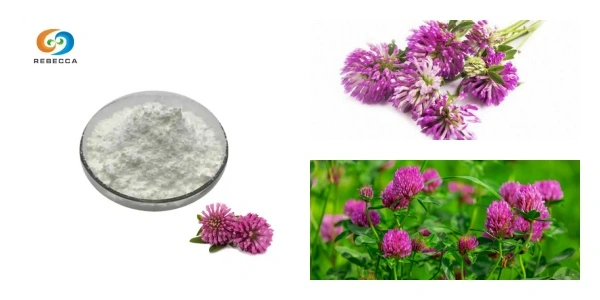
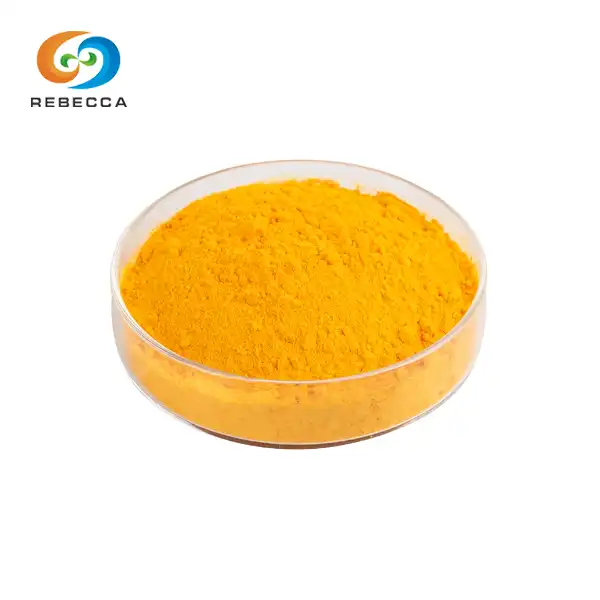
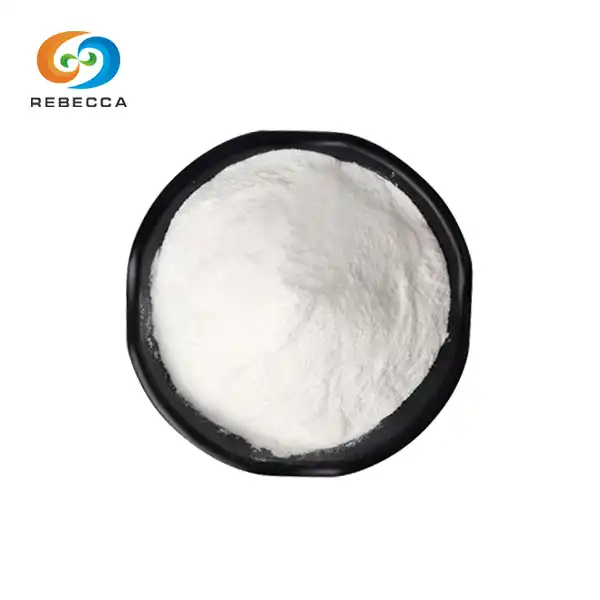
Red Clover Extract Powder
Product Name: Red clover Extract
CAS No.: 485-72-3Shelf Life: 2 years
Minimum Order Quantity: 1 kg
Samples: Free samples available
Certifications: GMP, ISO, HACCP, KOSHER, and HALAL.
Payment: Various payment methods accepted.
Advantages: Manufactured in a 100,000-grade cleanroom, our products are additive-free, non-GMO
Inner Package: Double PE Bags; Net 5kg/Bag
Outside Package: Paper Drums, Net 25kg/Drum
Storage:Store in a cool, dry place away from Light and Heat.
Specification: Formononetin 98%
Test Method: HPLC
Latin Name: Trifolium pratense L.
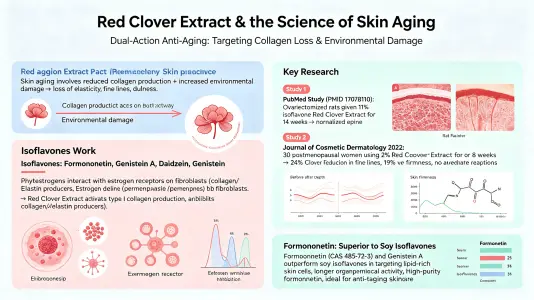
Red Clover Extract and the Science of Skin Aging
It's not easy for skin to age. At least two forces are working against the structure of the skin at the same time: collagen production is going down and environmental damage is getting worse. They make your skin lose its strength, get fine lines, and look dull. Over time, it gets harder to fix these problems. Red clover extract works on both of these pathways, which sets it apart from actives that only work on one of them.
How Isoflavones Support Collagen and Elasticity
Isoflavones, such as formononetin, biochanin A, daidzein, and genistein, are the main active ingredients in red clover extract. As phytoestrogens, these chemicals interact with oestrogen receptors in the skin. More specifically, they interact with oestrogen receptors on fibroblasts, which are cells that make collagen and elastin.
Fibroblast activity slows down when oestrogen levels drop, which happens a lot during perimenopause and menopause. Less collagen is made. Skin gets thinner and less springy. red clover extract can help with this in some ways. They help turn on signalling pathways that speed up the production of collagen Type I and slow down enzymes that break down collagen by binding to oestrogen receptors in skin tissue.
Important study: A preliminary study released in PubMed looked at changes in the skin of rats that had their ovaries cut out and were given red clover extract (standardised to 11% isoflavones) every day for 14 weeks. The skin had a normal epidermis after the treatment, with a uniform thickness, regular keratinisation, and collagen and springy fibres that were fully formed. Compared to groups that weren't treated, the amount of collagen rose by a lot. The writers came to the conclusion that red clover isoflavones have a good chance of slowing down the ageing process that happens when your body doesn't have enough oestrogen. (From Pubmed.ncbi.nlm.nih.gov, PMID 17078110)
In a separate study, 30 women who had gone through menopause were followed for 8 weeks while applying a cream containing 2% red clover extract. The study was published in the Journal of Cosmetic Dermatology in 2022. The depth of fine lines and wrinkles dropped by 24%, and the stiffness of the skin increased by 19%. No bad responses were recorded. These results are not meaningless; they show that a plant ingredient has made changes to the structure of the skin that are important and measured.
Formononetin's Edge Over Other Isoflavones
Asflavones in red clover that need extra care include formononetin (CAS No. 485-72-3). Research published in February 2026 in MDPI Plants says that formononetin and biochanin A from Trifolium pratense are better than isoflavones from soy at attracting fat and keeping the body's metabolism fixed. What this means in real life is that they work better with skin cells that are high in lipids and stay active longer in living things. High-purity formononetin is a useful active ingredient for people who are making skin care products that fight ageing and beauty ingredients because it has these qualities.
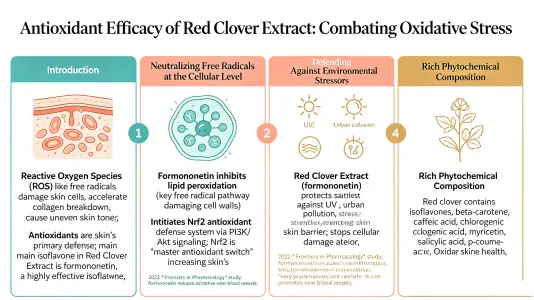
Antioxidant Power: How Red Clover Extract Defends Against Oxidative Stress
Reactive oxygen species (ROS) like free radicals hurt skin cells, speed up the breakdown of collagen, and make skin tone uneven. They are caused by UV light, smog, biochemical processes, and just living your normal life. In the skin, antioxidants are the main defence. The main isoflavone in red clover extract is formononetin, which is a very strong one.
Neutralizing Free Radicals at the Cellular Level
Formononetin from red clover extract has been shown to effectively stop lipid peroxidation, which is a key way that free radicals damage cell walls (research). Besides that, research shows that it starts the Nrf2 antioxidant defence system through PI3K/Akt signalling. A lot of people say that Nrf2 is the body's "master antioxidant switch." When it is activated, it increases the skin's own production of defensive enzymes. This creates a chain reaction of defence instead of a single attack.
Formononetin greatly decreased oxidative stress and inflammation in skin tissue, according to a study released in Frontiers in Pharmacology in 2022. It also helped with the growth of new blood vessels. The experts said that formononetin was "a promising candidate" for improving the health and survival of skin cells in stressful situations. These results add to the growing amount of proof that red clover's antioxidant effects work at the molecular level as well as the surface level.
Protection from Environmental Stressors
This antioxidant profile means that buyers of supplement ingredients can put them in a number of different categories. Red clover extract, and formononetin in particular, can help with more than just getting older. It can be used in any recipe that aims to protect against UV light, reduce stress caused by pollution in cities, or strengthen barriers. It stops damage at the cellular level, before it builds up and causes changes you can see on your skin.
The phytochemical makeup of red clover is very broad. Besides isoflavones, it has beta-carotene, caffeic acid, chlorogenic acid, myricetin, salicylic acid, and p-coumaric acid. These are all known to help protect against free radicals and improve skin health.
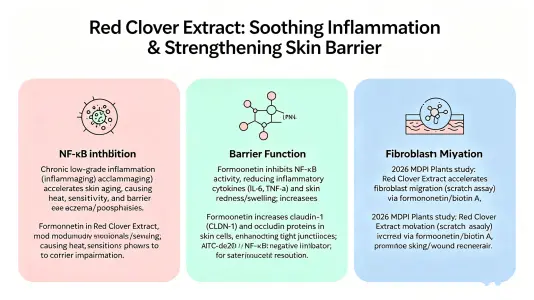
Soothing Inflammation and Strengthening the Skin Barrier
More and more research shows that chronic low-grade inflammation can speed up the ageing process of the skin. This process is sometimes called "inflammaging." It makes the skin hot, sensitive, and less able to protect against damage. It can also make skin diseases like eczema and psoriasis worse. The effects of formononetin on important immunity signalling pathways are the main mechanism by which red clover extract is thought to control inflammation.
Inhibiting NF-κB: A Proven Anti-Inflammatory Mechanism
Studies show that formononetin stops NF-κB from working. NF-κB is a transcription factor that manages the production of cytokines that cause inflammation, such as IL-6 and TNF-α. Because it lowers NF-κB activity, formononetin helps stop the chain of messages that make skin red, swollen, and irritated. This is not a weak claim. The molecular data has been published in peer-reviewed journals and has been repeated in a number of different study designs.
Formononetin has also been shown to increase A20, which is a negative inhibitor of NF-κB that helps the body get rid of inflammation more quickly. This dual NF-κB process makes a big difference for formulators working on ingredients that calm, reduce swelling, or fix barriers.
Barrier Function: Tight Junctions and Skin Integrity
Formononetin from red clover extract does more than just reduce inflammation; it also helps the skin's physical protection. According to a study mentioned in ScienceDirect Topics, formononetin raised the levels of two proteins called claudin-1 (CLDN-1) and occludin in skin cell cultures. The skin layer is held together by these proteins. They keep allergens out, keep water in, and keep the skin's smooth, robust surface when they are well released. When they break down, the skin becomes sensitive, dry, and more likely to have flare-ups.
In the same study, formononetin was found to lower the permeability of FITC-dextran and raise the transepithelial electrical resistance (TER), which are two common ways to check if a barrier is working properly. These are important changes to a barrier-supporting ingredient, especially for health supplements that are meant to help people with sensitive or damaged skin.
Fibroblast Migration and Skin Regeneration
A 2026 study in MDPI Plants used a scratch assay to measure how quickly fibroblasts migrated across a wound gap when treated with red clover extract. The result was clear: fibroblast migration was significantly higher in treated cultures than in untreated controls. This matters because fibroblast motility is essential for skin regeneration — it determines how quickly the skin can repair itself after damage. Formononetin and biochanin A were identified as the primary contributors to this regenerative signal, working through both estrogen-dependent and oxidative stress–related pathways.
Red Clover Extract Supplier: Rebecca Bio-Tech
Shaanxi Rebecca Bio-Tech Co., Ltd. specializes in the production, research, development, and sales of plant extracts, herbal active ingredient separation, and traditional Chinese herbal medicine functional compound research. We are a high-tech, export-oriented company dedicated to providing high-quality natural herbal extracts to customers in the pharmaceutical, health products, beverage, and cosmetic industries — globally. Our three modern production lines support an annual production capacity of over 500 metric tons, with a catalog of more than 100 plant extracts.
Our red clover extract — standardized to 98% formononetin by HPLC — is produced from premium Trifolium pratense L. plants under strict quality control. It delivers consistent active isoflavone levels backed by verifiable analytical data. For B2B buyers sourcing a scientifically credible, high-purity skin health ingredient, this specification offers both technical confidence and supply reliability.
Ready to discuss your formulation needs or request a sample? Our technical team is ready to assist with specifications, documentation, and sourcing. Reach out directly: information@sxrebecca.com
FAQ
What is the difference between red clover extract and isolated formononetin?
Red clover extract (from Trifolium pratense L.) is a broad-spectrum plant extract containing multiple isoflavones — formononetin, biochanin A, daidzein, and genistein — along with other phytochemicals like flavonoids and phenolic acids. Isolated formononetin, such as the 98% specification offered by Rebecca Bio-Tech, delivers a standardized, highly concentrated single compound. For formulators requiring consistent, measurable potency and clean labeling, high-purity formononetin provides precision that full-spectrum extracts may not guarantee.
Is red clover extract suitable as a health supplement ingredient for skin applications?
Yes. Red clover extract and its key isoflavones are widely used as health supplement ingredient inputs for applications targeting skin aging, antioxidant defense, and barrier support. Rebecca Bio-Tech supplies it as a raw ingredient — not a finished product — for B2B buyers in the health supplement, cosmeceutical, and functional nutrition sectors. As with any ingredient, formulators should verify regulatory status in their target market and conduct appropriate product safety assessments.
What does "Formononetin 98% HPLC" mean on a certificate of analysis?
It means that the formononetin content in the extract has been verified to be at least 98% purity, using High-Performance Liquid Chromatography (HPLC) as the test method. HPLC is the gold standard for isoflavone quantification in the plant extract industry. A specification of 98% ensures the ingredient delivers consistent active content with minimal impurities — critical for dose accuracy in supplement formulation.
How does red clover extract compare to soy isoflavones for skin applications?
Research published in MDPI Plants (2026) highlights that formononetin and biochanin A from red clover exhibit higher lipophilicity and greater metabolic stability compared to soy isoflavones. These properties give red clover-derived isoflavones a distinct biological activity profile that may be more suitable for skin-focused formulations. The greater lipophilicity improves cellular uptake in lipid-rich skin tissue, and higher metabolic stability means the compounds remain active longer in biological systems.
Can red clover extract ingredient be used in both oral health supplements and topical cosmeceutical formulations?
Red clover extract has research supporting both application routes. Oral supplementation studies show systemic effects on skin collagen and elasticity, while topical application studies demonstrate localized anti-aging and barrier-improving outcomes. The specific formulation pathway — oral supplement ingredient vs. topical ingredient — will depend on the buyer's product concept and applicable regulatory framework. Rebecca Bio-Tech supplies the raw extract ingredient; product development and regulatory compliance remain with the purchasing manufacturer.
References
1. Smolińska K, et al. "Red Clover Isoflavones as Effective Longevity Agents for Anti-Aging and Regenerative Skin Applications." MDPI Plants, February 10, 2026.
2. Husband A, et al. "Effects of isoflavones from red clover (Trifolium pratense) on skin changes induced by ovariectomy in rats." PubMed. PMID: 17078110.
3. Zhou L, et al. "Formononetin Improves the Survival of Random Skin Flaps Through PI3K/Akt-Mediated Nrf2 Antioxidant Defense System." Frontiers in Pharmacology, April 2022.
4. "Formononetin." ScienceDirect Topics — Pharmacology, Toxicology and Pharmaceutical Science.
5. Maki KC, et al. "Jar Deconstructed: Red Clover." Skin Inc., April 2019.
6. "Formononetin: What Is It, Cosmetic Uses, Benefits & Side Effects." Glooshi, 2025.