Best Menthol Crystals Purity Selection Guide
Procurement managers in the pharmaceutical and cosmetic sectors face a distinct challenge. The market is saturated with cooling agents. Yet, finding the best menthol crystals requires more than a simple price comparison. Quality varies significantly between suppliers. A minor dip in purity can ruin a formulation. It can alter the scent profile of a fine fragrance. It might destabilize the texture of a medicated balm. Manufacturers need reliable ingredients. They demand consistency to maintain brand reputation. This guide dissects the technical parameters of high-quality menthol. We will explore how to distinguish superior l-menthol from inferior substitutes.
Navigating technical specifications is essential. Buyers must look beyond the "99%" label. True quality lies in the isomer structure and the extraction method. It involves rigorous testing protocols like HPLC. Understanding these details empowers you. It moves you from a hesitant buyer to a confident partner. We will break down the chemistry and the compliance standards. This ensures your final products deliver the expected cooling sensation safely.
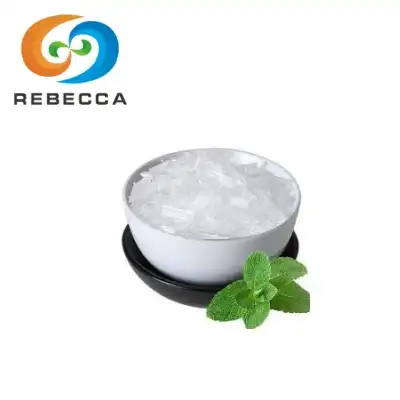
Best Menthol Crystals
【English name】: L-Menthol
【CAS No.】: 2216-51-5
【Molecular Formula】: C10H20O
【Active ingredients】: L-Menthol
【Specification】: L-Menthol Crystal 99%
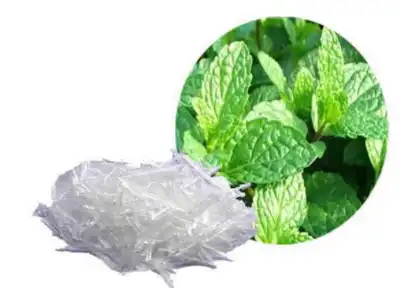
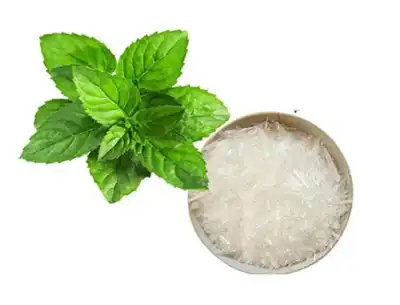
【Appearance】: White crystal
【Test Method】: HPLC
Shelf Life: 2 years
Minimum Order Quantity: 1 kg
Samples: Free samples available
Certifications: GMP, ISO, HACCP, KOSHER, and HALAL.
Payment: Various payment methods accepted.
Advantages: Manufactured in a 100,000-grade cleanroom, our products are additive-free, non-GMO
Inner Package: Double PE Bags; Net 5kg/Bag
Outside Package: Paper Drums, Net 25kg/Drum
Storage:Store in a cool, dry place away from Light and Heat.
Differentiating Natural L-Menthol from Synthetic Variants
The source of menthol crystals has a direct effect on how well they work and how well they work for high-end uses. Menthol is typically sold as natural L-Menthol or synthetic DL-Menthol, while high-end products mostly use the natural version. Mentha arvensis, often known as cornmint, is the plant that naturally collects large amounts of the necessary isomer, which is what makes natural L-Menthol. The stearoptene fraction separates and hardens when the essential oil is frozen in a controlled way. This produces clear, well-defined crystals. These crystals smell like fresh mint and provide you a powerful, quick cooling effect. This action works well to turn on TRPM8 receptors in the skin, which gives the strong freshness that is sought in pharmaceutical, cosmetic, and oral care products.
Chemical processes like hydrogenating thymol or m-cresol make synthetic menthol, which is a racemic DL-Menthol combination. Best menthol crystals are not produced this way, as this combination has both left- and right-handed isomers, which makes it less biologically active overall. Its cooling impact is much lower than that of natural L-Menthol, therefore you need to use more of it to have the same sensory benefits. Increasing the dose not only makes the formulation more expensive, but it also makes the danger of sensory imbalance higher. Also, synthetic versions typically include chemical or phenolic off-notes that might mess with sensitive aroma systems. These smells are modest but perceptible, which makes them less suitable for high-end cosmetics and personal care products. Quality-conscious shoppers choose naturally extracted menthol with a clearer scent profile.
Stereochemistry is very important for how menthol works in final products. Natural L-Menthol has a certain optical rotation, which is a measured feature that shows it comes from plants and is pure at the molecular level. This precise structure makes it easier to dissolve in both alcohol and oil-based systems, which makes it easy to add to products like mouthwashes, toothpastes, and analgesic balms. This consistency is not present in synthetic DL-Menthol, which might make it unstable as it is being made. The end product may have problems including recrystallization, cloudiness, or uneven dispersion. So, checking the menthol isomer is a basic quality-control step for formulators. Choosing natural L-Menthol reduces the hazards of processing and makes sure that it works the same way in all situations.
Key Purity Indicators: Melting Point and Optical Rotation
A Certificate of Analysis is more than just a piece of paper; it's a technical description of the quality of the product. Buyers need to know how to read its most important data points, such melting point and precise optical rotation. These two numbers are the most important signs of menthol purity. High-quality L-Menthol has a limited and well-defined melting range of 42 °C to 44 °C. This sudden change shows that the molecules are all the same. If anything starts to melt below 42 °C, it typically means it is dirty. Some common reasons include having secondary terpenes like menthone or isomenthone in the mix, or having too much moisture stay in the mix while it dries. Moist crystals tend to stick together and lose their needle-like shape, which is not what you would anticipate from high-purity menthol.
Specific optical rotation is a very accurate way to check the identification of L-Menthol. It examines how a material changes the direction of polarized light, which is a direct reflection of its stereochemical structure. For L-Menthol of USP grade, the permissible range is between −49° and −50°. Best menthol crystals stay within this range. If you go outside of this range, it's a big red flag. It usually means that synthetic DL-Menthol has been added to it or that it has been contaminated with other parts of essential oils. Stable optical rotation across batches also shows that the manufacturing process is consistent, which is important for downstream processing. Shaanxi Rebeccia keeps a close eye on these characteristics since even tiny changes might mess up the manufacturing lines of customers. Inconsistent inputs need reformulation, augment waste, and elevate operating expenses, establishing optical rotation control as a fundamental aspect of quality assurance.
Another important sign of purity that shows how disciplined the manufacturing process is is non-volatile residue. This number shows what is left when menthol has entirely evaporated under certain settings. Menthol crystals with a high level of purity should leave almost little residue. The permissible limit is usually 0.05%. High quantities of residue indicate that the filtering wasn't good enough or that the crystallization process wasn't controlled enough. These kinds of leftovers might be made up of small particles, waxes, or even small amounts of dangerous metals. These pollutants make things less safe and shouldn't be used in medicine or oral care. For buyers, asking for written residue test findings is a must for qualifying suppliers. Low residue shows that the product is safe and that the maker is committed to clean, regulated production.
Interpreting Purity Standards: USP, BP, and EP Grades
In international commerce, it is important to follow established pharmacopoeial standards in order to get into the market and get permission from regulators. People often compare high-quality menthol crystals to USP, BP, and EP standards, which are the most reliable standards in the world. These standards are legally enforceable references, not suggestions. They set limitations on purity, identity, and other associated chemicals that are permitted. They need to be checked very carefully using methods like Gas Chromatography or High-Performance Liquid Chromatography. These procedures break down the crystal into its parts and measure even the smallest amounts of contaminants. Only items that satisfy all of the requirements may be branded as such. Following these rules makes sure that menthol works the same way in pharmaceuticals, food, and cosmetics, no matter where it is going.
A chromatographic purity of at least 99.0% is the minimum criterion, but the makeup of the rest of the fraction is just as crucial. Best menthol crystals meet this standard. Terpenes that occur naturally may be minor components, and they are usually good as long as they stay under certain parameters. But, the leftovers from processing solvents are a big safety and regulatory issue. Responsible producers use crystallization without solvents or solvents that have been authorized, such ethanol, which are known to be safe. They make sure to stay away from dangerous solvents like hexane on purpose. Pharmacopoeial standards set rigorous limitations on residues, and to fulfill them, you need to be very careful about how you do things. Advanced facilities with cleanroom conditions and isolated production areas help keep cross-contamination to a minimum. This makes sure that impurity profiles stay below acceptable limits and are the same across all batches.
Following the rules means more than just getting good test results; it also means keeping thorough records. A trustworthy provider should give you more than just a conventional Certificate of Analysis. Halal and Kosher certifications show that the production lines are well-managed and don't include any banned ingredients. These promises are very crucial for businesses who sell to many different marketplaces throughout the world. Such paperwork makes it easier to go through customs and helps the product become more popular in the market. This amount of openness is really helpful for organizations who export. Shaanxi Rebeccia maintains these certifications and makes sure that its manufacturing meets Good Manufacturing Practice requirements. By combining quality procedures with regulatory paperwork, we make sure that our menthol crystals always satisfy the highest international standards and help our clients' worldwide distribution plans.
Best Menthol Crystals Supplier: Rebecca Bio-Tech
Securing a consistent supply chain is vital. You need a partner who understands the science of extraction. Rebecca Bio-Tech offers this expertise. We specialize in the production and R&D of high-quality plant extracts. Our facility operates three production lines. We process over 100 different plant extracts annually. Our capacity exceeds 500 metric tons. This scale allows us to serve the pharmaceutical, health product, and cosmetic industries worldwide. We are a high-tech, export-oriented company dedicated to reliability.
We invite you to test our quality. Our L-Menthol is manufactured in a 100,000-grade cleanroom. This ensures the product is free from external contaminants. Below are the specific technical parameters of our premium offering:
- Active Ingredients: L-Menthol
- Specification: L-Menthol Crystal 99%
- Appearance: White crystal (Needle-like)
- Test Method: HPLC
Our commitment extends beyond the product itself. We offer flexible commercial terms to support your business. We accept various payment methods. Our logistics ensure the product arrives safely.
Do not let poor raw materials compromise your brand. Choose a supplier that guarantees purity and compliance. Trust Shaanxi Rebeccia for your manufacturing needs. Send your inquiry for the best menthol crystals today. contact us at information@sxrebecca.com.
FAQ
Q1: Why do menthol crystals sometimes fuse together during storage?
A: Menthol is volatile and has a low melting point. If stored in temperatures above 30°C, the edges of the crystals can soften and fuse. This is known as sintering. To prevent this, the best menthol crystals should be stored in a cool, dry place, ideally below 25°C, in tightly sealed drums.
Q2: Can I use menthol crystals directly on the skin?
A: No, pure menthol crystals are highly concentrated. Applying them directly can cause chemical burns or severe irritation. They must be diluted in a carrier oil, alcohol, or lotion base. Typical usage rates in cosmetics range from 0.1% to 2.0%, depending on the desired cooling intensity.
Q3: What is the difference between "peppermint camphor" and menthol?
A: They are the same substance. "Peppermint camphor" is an older, traditional name for menthol crystals derived from peppermint oil. It refers to the white, crystalline appearance that resembles camphor. In modern commerce, the term "L-Menthol" is the standard nomenclature.
References
1. United States Pharmacopeia (USP), "Menthol Monograph: Official Standard for Purity and Analysis."
2. National Center for Biotechnology Information (NCBI), "PubChem Compound Summary for CID 1254, Menthol."
3. Journal of Chromatographic Science, "Analysis of Menthol Stereoisomers via HPLC Techniques."
4. World Health Organization (WHO), "Safety Evaluation of Certain Food Additives: Menthol."