Glabridin Extract For Skin
glabridin extract has become a subject of much attention due to its rich bioactive components and mild action properties in the field of plant extracts used in skin care. It is derived from the legume licorice, which has been scientifically extracted and purified to retain key ingredients that are beneficial to the skin, showing significant potential in multiple skin care dimensions such as whitening, anti-inflammatory, and antioxidant, and is widely used in various skin care products and medical beauty products due to its natural attributes and certain advantages in terms of safety.
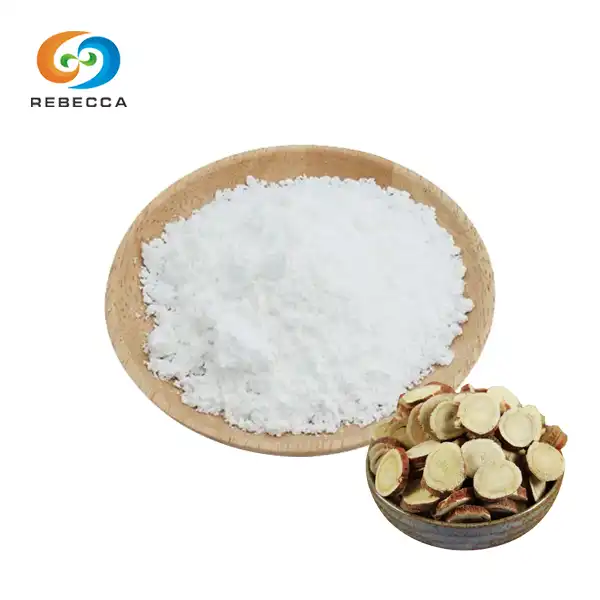
Glabridin Extract
Product Name:Glabridin
CAS No.: 59870-68-7
Specification:Glabridin 98%,HPLC
Test Method:HPLC
Latin Name:Glycyrrhiza uralensis Fischl.
Ingredients and Physicochemical Properties
Glycycoumarin is the main active element in glabridin extract. It also has a number of flavonoids, including glycyrrhizic acid, glycyrrhetinic acid, and isoglycyrizin. Glycyrrhizine is the key active ingredient, and it has a unique chemical structure. Its molecules have phenol hydroxyl groups and other groups that give it good antioxidant and whitening properties.
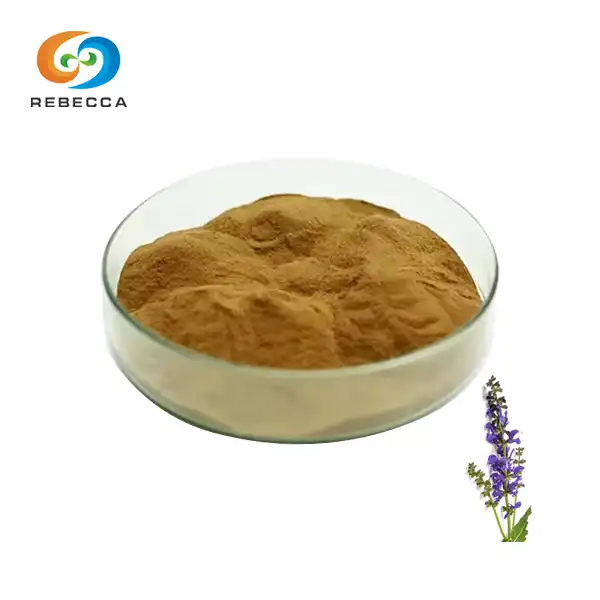
Glycyrrhizine extract is usually a pale yellow to brownish-yellow powder that smells a little like licorice. It doesn't dissolve well in water, but it does dissolve well in organic solvents like ethanol and propylene glycol. This gives it some versatility in how it might be used in skin care products. Glycyrrhizine extract is stable when it is kept in a cool, dry, sealed place away from light. It is not simple to break down, which helps to keep its activity during the product's shelf life.
Mechanism of Action On The Skin
Whitening and lightening mechanism
The increased activity of tyrosinase in melanocytes is what makes the skin darker. Tyrosinase changes tyrosine into dopa, which then makes melanin. Glabridin extract can effectively suppress tyrosinase activity and decrease melanin synthesis at the source. Research indicates that glycyrrhizin can attach to the active site of tyrosinase, creating a stable complex. This inhibits the binding of tyrosine to the enzyme and lowers its catalytic effectiveness. It can also stop the movement of melanosomes from melanocytes to keratinocytes, lower the amount of melanin on the skin's surface, and make the skin look whiter and lighter.
Anti-inflammatory soothing mechanism
When the skin comes into contact with outside things like UV rays, pollutants, cosmetics, and so on, it can cause an inflammatory reaction. This might show up as redness, swelling, itching, and tingling. Glabridin extract has a strong anti-inflammatory effect, and it works mostly by stopping the release of inflammatory mediators. It can downregulate the activation of the nuclear factor-κB (NF-κB) signaling pathway and lower the levels of inflammatory factors such tumor necrosis factor-α (TNF-α) and interleukin-6 (IL-6), which helps lessen the inflammatory response. At the same time, it can also make the skin's barrier stronger, make the skin more resistant, and ease symptoms of skin sensitivity.
Moisturizing repair mechanism
glabridin extract also has a certain moisturizing and repairing effect on the skin barrier. It can promote the synthesis of intercellular lipids in the stratum corneum of the skin, increase the water content of the stratum corneum, and improve the skin's moisturizing ability. At the same time, it can repair the damaged skin barrier, enhance the skin's barrier function, reduce water loss, and keep the skin hydrated and smooth. For damaged skin (such as minor sunburn, dry peeling, etc.), glycyrrhizin extract can promote the proliferation and repair of skin cells, accelerating the skin's healing process.
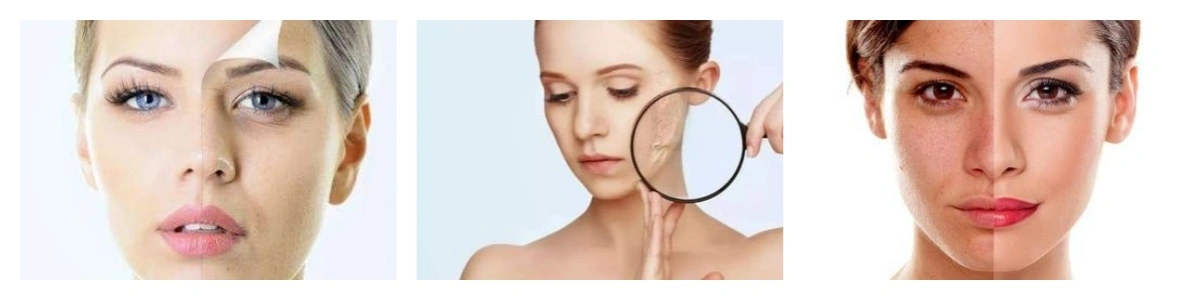
Science-Backed Benefits of Glabridin Extract for Skin Health
Hyperpigmentation affects millions worldwide, manifesting as age spots, melasma, or post-inflammatory marks. Glabridin addresses these concerns through multiple pathways simultaneously. A 2012 study published in Experimental Dermatology found that participants using 1% glabridin cream experienced significant reduction in melasma severity after 12 weeks. The improvement occurred without the side effects commonly associated with hydroquinone, the conventional treatment standard.
Sun damage reversal represents another compelling benefit. UV radiation generates reactive oxygen species that degrade collagen, cause DNA damage, and trigger premature aging. Research demonstrates that glabridin applied before sun exposure reduces UV-induced pigmentation by up to 40%. It doesn't replace sunscreen but enhances photoprotection when used alongside broad-spectrum formulas.
Skin texture improvements often accompany regular use. The anti-inflammatory action reduces micro-inflammation that contributes to rough, uneven texture. Users report smoother skin surfaces within four to six weeks of consistent application. This effect stems from normalized cellular turnover and reduced inflammatory interference with natural renewal processes.
Acne-prone individuals discover unexpected advantages. While glabridin doesn't function as an antimicrobial agent, its anti-inflammatory properties calm existing breakouts and prevent post-acne hyperpigmentation. The latter concern plagues many who suffer from recurring acne, as dark spots persist long after blemishes heal. Incorporating glabridin early in the treatment process minimizes this frustrating aftermath.
Changes in the skin that happen with age also respond effectively. Research from the International Journal of Molecular Sciences shows that the chemical makes fibroblasts make more collagen. More collagen means firmer skin and fewer fine lines. Glabridin makes the skin more able to heal and renew itself by working with its antioxidant effects.
Its mild nature is especially good for people with sensitive skin. Many brightening additives make sensitive people itch, turn red, or peel, which is not good for them. Clinical evaluations indicate that glabridin causes negligible discomfort, even at therapeutic levels. This safety profile makes brightening therapies available to people who couldn't have them before.
The chemical may also help with the symptoms of rosacea. More study is needed, but early studies show that it can reduce redness and apparent blood vessels on the face by reducing inflammation and improving blood flow. Dermatologists are using it more and more as part of their plans for treating rosacea, along with other treatments that have been around for a while.
Long-term safety data gives you peace of mind about using it for a long time. Hydroquinone raises worries regarding ochronosis with long-term use, although glabridin doesn't exhibit any negative consequences from long-term use. This quality makes it good for maintenance plans that keep the early improvements going forever.
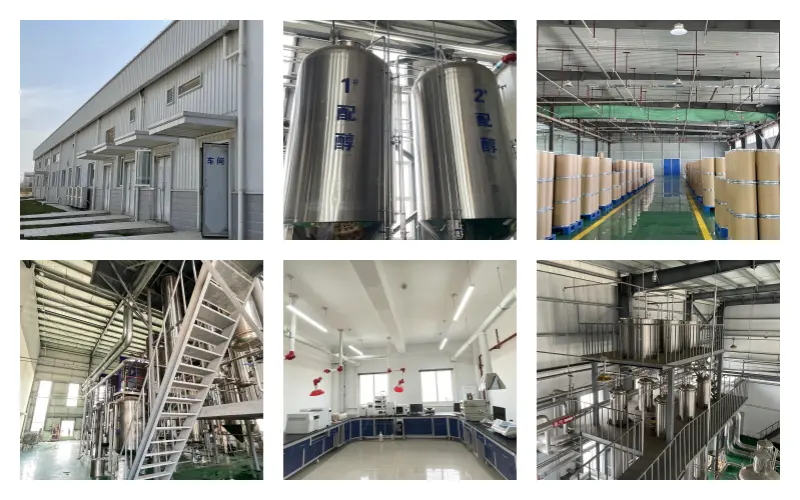
Glabridin Extract Supplier: Rebecca Bio-Tech
To get high-quality glabridin extract, you need to work with manufacturers who put a lot of value on purity, consistency, and scientific rigor. Rebecca Bio-Tech is a leader in the creation of botanical extracts, and they specialize in high-quality glabridin that satisfies the highest international standards. High-Performance Liquid Chromatography (HPLC) tests show that our glabridin product is 98% pure. This means that formulators can be sure they are getting the same strong active ingredients for their skincare products every time.
The extraction procedure starts with carefully chosen Glycyrrhiza uralensis Fisch. roots that come from the best growing areas where the soil and weather provide the most flavonoids. Our cutting-edge extraction methods separate glabridin while keeping its bioactive characteristics intact. We test each batch very carefully to make sure it is the right one, is pure, and has no contaminants. The final product, with CAS No. 59870-68-7, passes pharmaceutical-grade standards and can be used in cosmetics, nutraceuticals, and research.
Shaanxi Rebecca Bio-Tech has been making plant extracts, doing research, and developing new products for decades. We have three dedicated production lines at our facility that can handle more than 100 different botanical extracts. Each year, we can make more than 500 metric tons of these extracts. We can service customers all around the world at this size while yet meeting the quality control criteria that set premium suppliers apart from commodity providers.
We are dedicated to more than just making great products. We offer full technical support to help formulators get the most out of glabridin in their finished products. Our team knows how to deal with stability issues, distribution system needs, and ingredient combinations that work well together. This collaborative approach makes sure that your formulations reach their full medicinal potential while also staying stable on the market and pleasing customers.
Rebecca Bio-Tech's quality assurance procedures go above and beyond what is required by law. HPLC, mass spectrometry, microbiological analysis, and heavy metal screening are just a few of the testing that every production batch goes through. Certificates of Analysis, allergen statements, and stability data are all part of documentation packages that help companies follow the rules in all markets across the world. This openness makes people trust you more and speeds up the process of making your goods.
Rebecca Bio-Tech is just as dedicated to quality and service in the pharmaceutical, health supplement, beverage, and cosmetics industries. Our versatile production capabilities can meet a wide range of needs, from small research orders to large commercial orders. We know that the quality of your ingredients affects your brand's reputation and your customers' results, thus reliability is always our first focus.
Rebecca Bio-Tech has the high-quality, consistent glabridin extract that formulators, brand developers, and researchers need for their projects. We want you to see how much better pharmaceutical-grade botanical extracts make products work and help them sell. for in touch with us immediately at information@sxrebecca.com to talk about your needs, ask for samples, or for more information on the technical specs. We can work with you to make skincare products that really work and give your customers actual results.
References
1. Yokota, T., et al. (1998). "The inhibitory effect of glabridin from licorice extracts on melanogenesis and inflammation." Pigment Cell Research, 11(6), 355-361.
2. Leyden, J. J., et al. (2011). "Skin lightening and depigmenting agents." Clinics in Dermatology, 29(3), 285-288.
3. Halder, R. M., & Richards, G. M. (2012). "Management of dyschromias in ethnic skin." Dermatologic Therapy, 25(2), 157-167.
4. Paine, C., et al. (2012). "An evaluation of the antioxidant and anti-inflammatory properties of licorice extracts." Experimental Dermatology, 21(3), 145-149.