How to take l carnitine powder?
l carnitine powder is a popular nutritional supplement. It supports fat burn, sports endurance and daily energy levels. Many users take it incorrectly and fail to see ideal results. This guide focuses purely on consumer usage rules. It covers dosage, timing, mixing methods, safety tips and product selection for regular users. All professional background knowledge only serves to help you use the powder better.

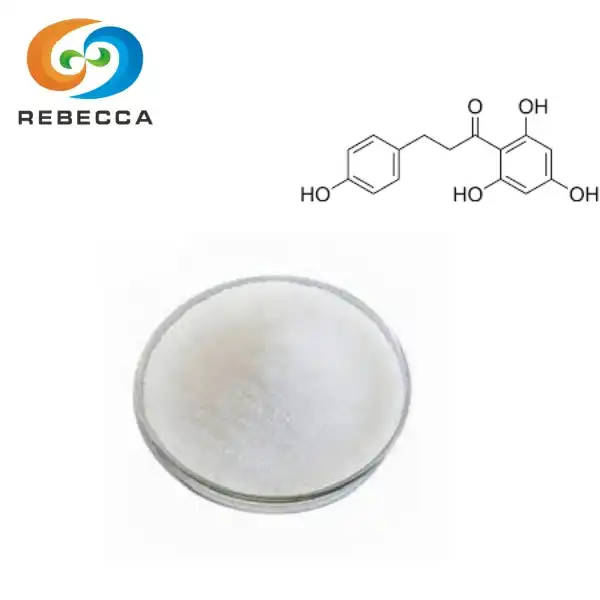
L Carnitine Powder
Product Name:L-carnitine
CAS No.:541-15-1
Specifications :L(-)-Carnitine,Min 99%
Test :HPLC
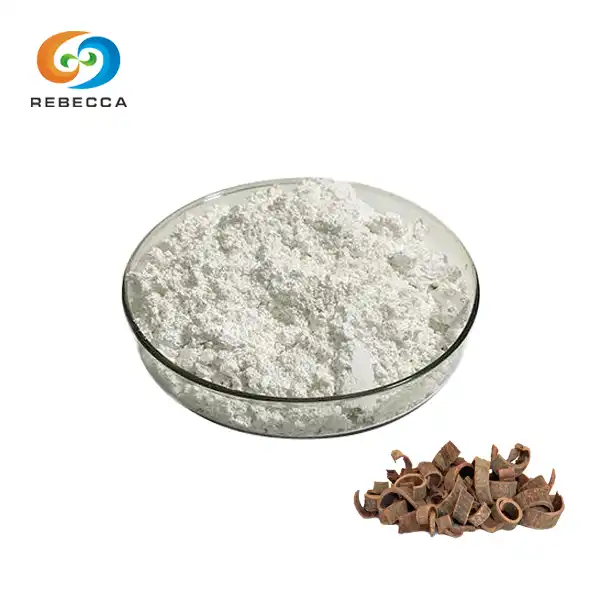
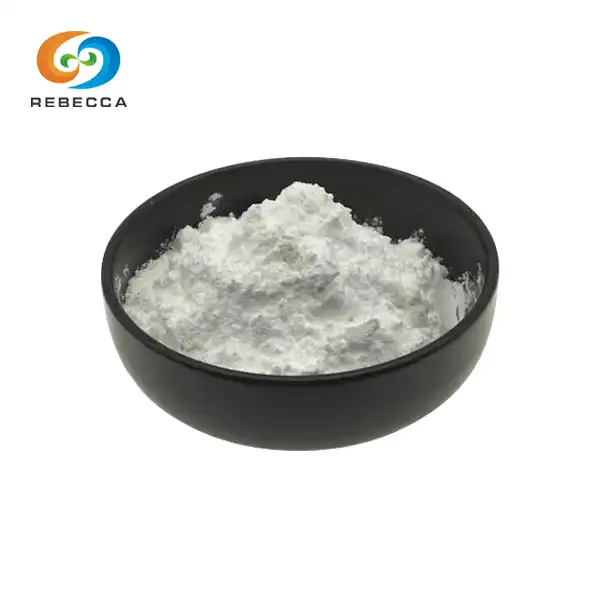
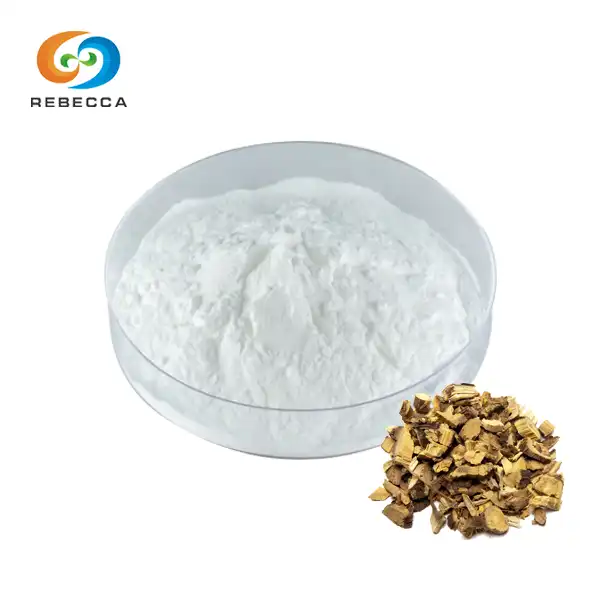
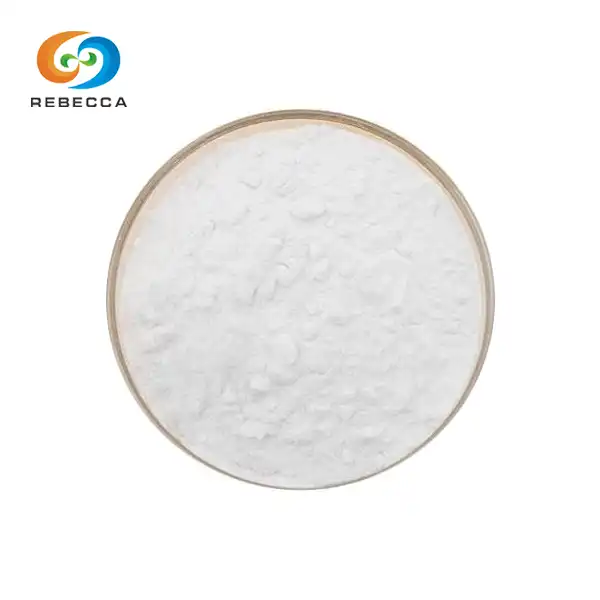
Appearance :White crystalline Powder
Applying:The safest nutritional supplement for weight loss without side effects.
Standard Dosage & Best Timing to Take L-Carnitine Powder
Correct dosage and intake window decide how well your body absorbs this supplement. Different fitness and weight goals need different milligram amounts. The timing rule matches your body’s fat metabolism rhythm.
Daily Dosage for Different Personal Goals
The safe effective daily range for the average adult is 500 mg to 2,000 mg. DO NOT EXCEED 3,000 mg per day for extended use.
If all you require is basic assistance for daily energy, use 500 mg to 1,000 mg a day. This light dosage is suitable for those who are sedentary and work in an office. It maintains a constant fat metabolism without any additional physical pressure.
For weight management or frequent gym training, take 1,000 mg to 2,000 mg daily. This range accelerates fatty acid transport during calorie burn. It provides apparent endurance benefits for running, weight training and cardio workouts.
Doses > 3000 mg have virtually no further effects. Many users report moderate gastrointestinal distress with high intake. The typical unease is mild bloating and mushy stool. If you have these symptoms, reduce the dose.
Optimal Intake Time Before or During Exercise
Take the L-carnitine powder 30 to 60 minutes prior to your workout. This gap results in your blood carnitine levels to peak during exercise. Your muscles can get more fatty acids into the cells to make energy.
If you work out twice a day, divide the daily amount into two servings. In the morning when you get up, take one half. Take the second half an hour before your afternoon workout. This divide maintains stable carnitine levels throughout the day.
Simple Mixing Methods for L-Carnitine Powder
The powder dissolves easily in simple cold water. You may also mix it in with fruit juice or protein shakes . Don’t drink drinks that are too hot. Its absorption effectiveness may be lowered by the high heat.
You can take it without food. It also pairs well with carb-heavy dishes. Carbs trigger the release of insulin. L-carnitine is taken up by muscle cells more rapidly by insulin.
Many users, once they are taught the basic intake rules, are confused about the essential functions and safety restrictions. Knowing how L-carnitine works in your body allows you to avoid expecting the wrong things. Next, we will talk about its basic benefits and safe crowd limitations for daily use.

Core Benefits, Safety Notes and Suitable Crowds for L-Carnitine Powder
L-carnitine is a natural substance your liver and kidneys produce. It moves fat into cell mitochondria to turn fat into usable energy. It also clears toxic waste inside muscle cells. Its benefits focus on sports performance and body weight control.
Key Practical Benefits for Daily Users
It first enhances fat metabolism. Without sufficient L-carnitine, fat cannot go into energy-making units. Extra fat will be stored under your skin , instead of being burnt off while moving .
Secondly, it improves endurance for long-time workout. Regular supplementation with long distance runners and bikers leads to less muscular fatigue. It helps to flush out lactic acid after a strenuous workout.
Third, it accelerates muscle recovery after a work out. It eliminates toxic metabolic debris from fatigued muscle tissue. One or two days after training you will feel less sore.
Fourth, it provides a tiny bit of energy to brain cells. Consistent energy delivery is key for staying focused during long work hours.
Safety Side Effects and Unsuitable User Groups
L-carnitine powder has low toxicity for healthy adults. Most people tolerate daily doses under 2,000 mg with zero discomfort.
Minor side effects only appear at high doses. These include light nausea, stomach bloating and frequent soft bowel movements. Stop high dosage and cut back to 1,000 mg if these issues appear.
Some people should avoid long-term supplementation. Pregnant women, lactating mothers and people with kidney disease need professional doctor advice before use. People with hyperthyroidism should skip this supplement entirely.
Groups That Need Extra L-Carnitine Supplementation
Healthy adults create enough L-carnitine through daily food intake. But certain crowds lack natural production.
Preterm infants cannot synthesize enough carnitine on their own. People with rare genetic metabolic disorders also need extra dietary supply. Vegetarians who eat no red meat often have lower carnitine levels and can take small daily doses for balance.
Once you know usage standards and safety rules, you may notice multiple L-carnitine forms sold online. Different variants fit different user demands. The third part compares mainstream powder types and teaches you how to pick high-quality powder for personal use.

L-Carnitine Powder Types & Practical Buying Standards for End Users
The market sells three mainstream L-carnitine powder variants. Each type has unique absorption features and targeted usage scenes. Ordinary consumers can pick matching types based on their own fitness goals.
Differences Between Three Common L-Carnitine Variants
Pure L-carnitine powder has strong water solubility. It mixes well with water, juice and protein drinks. Its taste stays neutral and does not ruin beverage flavor. It works best for weight loss and daily sports training.
Acetyl-L-carnitine crosses the blood-brain barrier easily. It targets brain energy supply. Pick this variant if you want to improve focus and ease mental fatigue from long work or study.
L-carnitine tartrate keeps stable in solid supplements. It has reliable bioavailability for gym users. It is often made into tablets and capsule powder blends for sports nutrition lovers.
Simple Quality Standards for Consumer Powder Selection
Choose products marked with 99% pure L-form carnitine. D-form carnitine blocks positive effects and should not exist in qualified consumer supplements.
Check official test reports before buying. Qualified powder passes heavy metal and microbial limit tests. Brands with GMP, ISO22000 and HACCP certifications offer more stable quality.
Watch out for hygroscopic raw powder. Poor packaging absorbs moisture quickly. Moist powder loses activity and goes bad fast. Pick products sealed with moisture-proof bags with desiccant inside.
Common Matching Supplements to Boost L-Carnitine Effects
L-carnitine powder mixes safely with most mainstream sports supplements. Creatine works well with it to lift overall workout performance. Amino acid arginine improves blood flow and amplifies fat burn results.
Daily vitamin B complex helps your body complete energy conversion. Pairing small doses of B vitamins with L-carnitine creates a better weight management combination. No severe adverse interactions exist for normal mixed use.
To solve frequent doubts from new users quickly, we collect typical questions about intake, side effects and product matching. The following FAQ clears up confusing points for all beginners.

FAQ
What daily dosage works best for weight loss?
1,000 mg to 2,000 mg daily brings steady fat oxidation results. Split the dose into two servings for better stability. This dosage must pair with regular exercise and controlled calorie intake. Taking powder without movement will not create obvious weight loss effects.
If you only want light weight maintenance, stick to 500 mg per day. This low dose works well with mixed weight management supplement formulas.
Will L-carnitine conflict with other supplements?
No serious negative interactions happen with regular sports nutrients. Creatine, arginine and multi-vitamins all match L-carnitine perfectly.
If you use complex multi-ingredient blends, store the finished mix in cool dry places. Run short stability tests if you make homemade blended shakes for long-term storage.
How long can sealed L-carnitine powder stay fresh?
Pure powder lasts 24 months under dry, cool storage. Keep it away from high temperature and humid air. Throw away the powder if you see clumps or strange odor after opening the seal.
Can I take L-carnitine every single day long-term?
Healthy adults can take standard doses daily for multiple months. Stop use for 7 to 10 days every three months if you worry about metabolic tolerance. Consult a nutritionist for long-term continuous supplementation plans.
Partner with Rebecca for Premium L-Carnitine Powder Supply
Rebecca stands ready to support your product development with pharmaceutical-grade L-carnitine powder meeting the highest industry standards. Our 99% minimum purity material (CAS No. 541-15-1) undergoes rigorous HPLC testing and ships with comprehensive documentation supporting global regulatory compliance. Whether you need samples for initial formulation work or bulk quantities for commercial production, our technical team provides responsive support throughout the development cycle. As an established L-carnitine supplier with proven export experience across North America and Europe, we understand the quality consistency and documentation requirements critical to your success. Contact our team at information@sxrebecca.com or visit sxrebecca.com to discuss your specific requirements and request product specifications tailored to your application needs.
References
1. Flanagan JL, Simmons PA, Vehige J, Willcox MD, Garrett Q. Role of carnitine in disease. Nutrition & Metabolism. 2010;7(1):30.
2. Pekala J, Patkowska-Sokoła B, Bodkowski R, Jamroz D, Nowakowski P, Lochyński S, Librowski T. L-carnitine--metabolic functions and meaning in humans life. Current Drug Metabolism. 2011;12(7):667-678.
3. Rebouche CJ. Kinetics, pharmacokinetics, and regulation of L-carnitine and acetyl-L-carnitine metabolism. Annals of the New York Academy of Sciences. 2004;1033:30-41.
4. Hoppel C. The role of carnitine in normal and altered fatty acid metabolism. American Journal of Kidney Diseases. 2003;41(4 Suppl 4):S4-S12.
5. Fielding R, Riede L, Lugo JP, Bellamine A. L-carnitine supplementation in recovery after exercise. Nutrients. 2018;10(3):349.
6. Brass EP. Pharmacokinetic considerations for the therapeutic use of carnitine in hemodialysis patients. Clinical Therapeutics. 1995;17(2):176-185.