How to use alpha lipoic acid powder on face?
alpha lipoic acid powder(ALA)is commonly referenced in the field of skincare because of its antioxidant capabilities and its involvement in cosmetic formulation. However, using it straight to the face isn't as easy as slapping on a completed serum. It needs good knowledge of formulation, safe dilution and reasonable expectations. This tutorial lays out the approach in a systematic, practical manner.
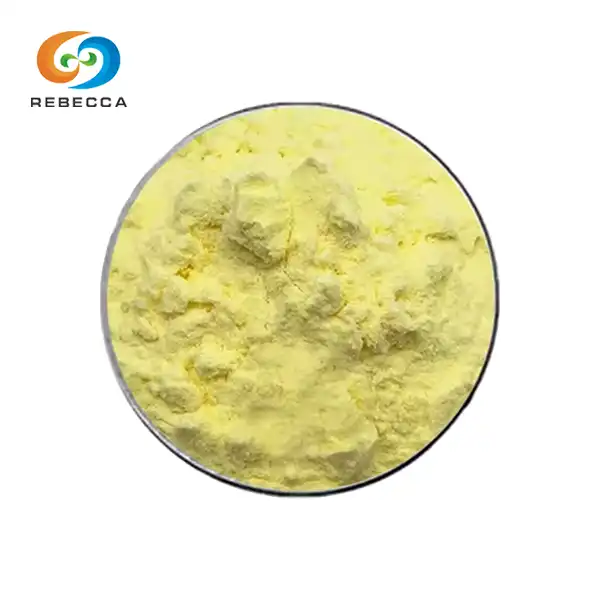
Alpha Lipoic Acid Powder
Product Name:alpha lipoic acid
CAS No.:1077-28-7
Specification:99%
Test Method:HPLC
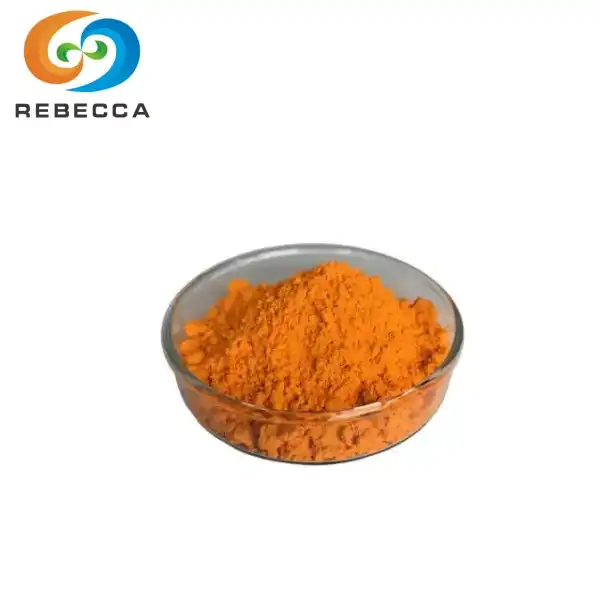
Appearance:Light yellow to yellow powder
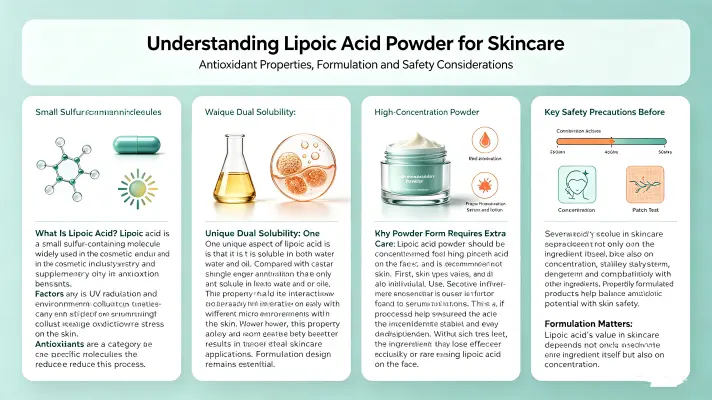
Understanding Alpha Lipoic Acid Powder for Skin Use
What Alpha Lipoic Acid Is in Simple Terms?
Alpha lipoic acid is an extremely small molecule that contains sulphur and is employed in the cosmetic industry as well as in the production of nutritional supplements. Because of the antioxidant function that it has, it is highly regarded in the profession of skincare. The oxidative stress that is induced on the surface of the skin by environmental factors such as ultraviolet radiation and pollution may be mitigated with the help of antioxidants, which are classes of molecules.
One thing that makes ALA stand out from other substances is that it can be used with both water and oil. When compared to some single-phase antioxidants, this makes it simpler for the compound to interact with the many different habitats found in the skin. On its own, however, this does not guarantee enhanced effects when used to actual skincare applications. Still, formulation is a significant component.
Why Powder Form Requires Extra Care?
Powder containing alpha lipoic acid is a substance that is very concentrated. This is the reason why it is not often applied directly to the skin. If you apply it straight to your skin, it may be absorbed too unevenly and may cause your skin to get irritated.
Before being used in the cosmetic industry, powders of this kind are often first converted into serums or emulsions. By carrying out this technique, the active ingredient is guaranteed to be stable and dispersed in a consistent manner. If this therapy is not administered, the drug may lose its effectiveness more quickly or behave in an unanticipated manner on the skin.
Key Safety Considerations Before Use
There are also various safety issues to consider before utilising alpha lipoic acid on the face. Everyone’s skin is different, and people might be very sensitive or not so sensitive. Second, the concentration of active substances is an important factor of tolerance. Third, mixing with other active compounds may raise risk of discomfort.
For these reasons we highly advocate patch testing before any full face application. Usually a tiny piece of skin is utilised, for example the inside forearm.
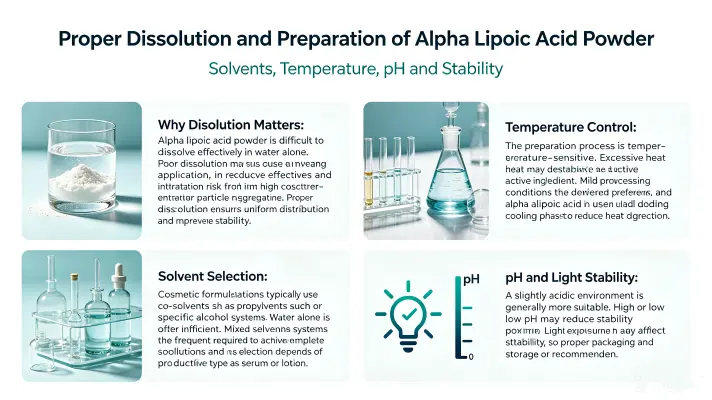
How to Properly Dissolve and Formulate Before Applying?
Why Dissolution Is Necessary?
Plain water does not dissolve alpha lipoic acid powder very effectively. If used straight to water-based skincare products, it may also be largely undissolved. This might lead to uneven application and limited efficacy.
Good dissolving will result in a homogeneous distribution of the component in the finished product. It also increases stability and decreases the danger of irritation by concentrated particles.
Suitable Solvent Types
In cosmetic formulation, ALA is often solubilised with co-solvents. The normal choices are propylene glycol , certain alcohol systems . These solvents assist to spread better the powder.
Generally, water alone is not enough. Complete dissolution is normally achieved only with a mixed system. The choice of solvent type also relies on the kind of final product, e.g. serum or emulsion .
Temperature and Stability Control
Formulation is temperature sensitive. An overdose of the combination may cause a breakdown of the stability of the active ingredient. Usually, moderate processing conditions are chosen.
In practical formulation work the chemical is commonly introduced during the cooling phase of manufacture. This decreases the chance of deterioration induced by heat.
pH and Light Sensitivity Considerations
The pH may also affect the stability of alpha lipoic acid. Generally, mildly acidic conditions are seen as more acceptable in cosmetic systems. Very high or low pH may decrease stability over time.
The other is exposure to light. Products containing ALA are commonly packed in opaque or amber containers to minimise deterioration by light. This helps to retain the goods in the storage.
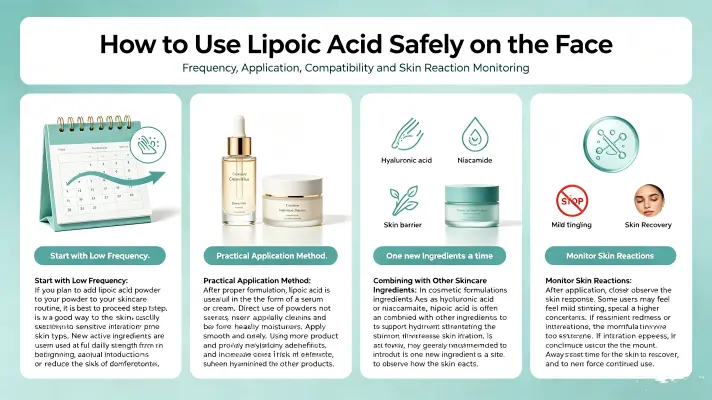
How to Apply Alpha Lipoic Acid on the Face Safely?
Starting with Low Exposure
If you're adding alpha lipoic acid powder to your skin care regimen, it's best to add it slowly. The low frequency is a good starting point for the skin to adapt. This is particularly important for those with sensitive or reactive skin.
New active substances are not utilised in routine practice from the start every day at the full dosage. A gradual introduction decreases the chance of discomfort.
Application Methods in Real Use
When prepared correctly, alpha lipoic acid is usually found as a serum or cream. It is not used by itself in powder form. Product is often administered post-cleansing, and before stronger moisturisers.
The application should be flat and even. You don’t need to layer too much since more is not always better and may cause more discomfort (especially if you’re stacking).
Combining with Other Skincare Ingredients
In cosmetic formulations such as hyaluronic acid or niacinamide, alpha lipoic acid is commonly mixed with additional chemicals. These blends are intended to assist with hydration and barrier function.
But using too many active chemicals as once might aggravate skin irritation. As a general rule, the best way to introduce new foods is one at a time. This allows one to see the reaction of the skin to each component.
Skin Response Monitoring
Monitor the skin reaction after application carefully. Some individuals may experience mild tingling, particularly at greater dosages. If you experience persistent redness or irritation, the formulation could be too powerful.
Discontinue use or use lesser amount if irritation develops. The skin should always be allowed to recuperate, not to continue to use.
Conclusion
When using alpha lipoic acid powder for the face, it has to be carefully formulated, the concentration managed, and it should be introduced slowly into a skincare program. The goal is not intensity but stability, safety and consistency over time.
FAQ
Can alpha lipoic acid powder be mixed directly with other skincare ingredients?
ALA powder dissolves poorly in water alone and requires a co-solvent like propylene glycol or ethanol. It demonstrates excellent compatibility with hyaluronic acid, niacinamide, and peptides when properly dissolved, but formulators should avoid combining with strongly alkaline ingredients (pH >7.5) that accelerate degradation. Conducting compatibility studies during formulation development prevents precipitation or discoloration issues.
What concentration range is considered safe for sensitive skin applications?
Sensitive skin formulations should begin with 0.5-1% alpha lipoic acid concentration, gradually increasing to 2% as tolerance develops. Concentrations above 5% typically require prescription oversight and may cause temporary tingling or redness. Patch testing on the inner forearm for 24-48 hours before facial application remains the gold standard for assessing individual tolerance, particularly when combining with retinoids or exfoliating acids.
How long before visible skin improvements appear with topical ALA use?
Clinical studies document measurable improvements in skin texture and fine lines after 8-12 weeks of consistent daily application at 3% concentration. Antioxidant protection begins immediately, though visible changes require cumulative effects on collagen synthesis and cellular turnover cycles. Setting realistic expectations with end consumers helps maintain product credibility and reduces premature discontinuation before benefits manifest.
Partner with Rebecca for Pharmaceutical-Grade Alpha Lipoic Acid Powder
Shaanxi Rebecca has been specialised in the botanical extract manufacture for more than 10 years, and own the advanced production equipment with the annual capacity of more than 500 metric tonnes. Our alpha lipoic acid powder (CAS No. 1077-28-7) is manufactured at a high purity of 99% (HPLC tested) to ensure the uniformity from one batch to another, which is important for professional skincare formulation. We are a GMP, ISO certified alpha lipoic acid powder manufacturer offering full documentation including Certificates of Analysis, stability data and region specific regulatory assistance for North American, European and Asia-Pacific markets.
Our technical team offers customized formulation guidance, helping cosmetic chemists and product developers optimize ALA concentration, select compatible co-ingredients, and address stability challenges. Rebecca maintains flexible MOQ options supporting both emerging brands and established manufacturers requiring scalable supply chains. Contact our procurement specialists at information@sxrebecca.com to request samples, discuss bulk pricing structures, or explore custom packaging solutions tailored to your product development timeline and market positioning objectives.
References
1. Gianturco V, Troisi G, Marigliano V. "Alpha-lipoic acid in dermatology: antioxidant properties and clinical applications." Journal of Dermatological Treatment 2018; 29(3): 246-251.
2. Podda M, Grundmann-Kollmann M. "Low molecular weight antioxidants and their role in skin aging." Clinical and Experimental Dermatology 2001; 26(7): 578-582.
3. Biewenga GP, Haenen GR, Bast A. "The pharmacology of the antioxidant lipoic acid." General Pharmacology 1997; 29(3): 315-331.
4. Maczurek A, Hager K, Kenklies M. "Lipoic acid as an anti-inflammatory and neuroprotective treatment for Alzheimer's disease." Advanced Drug Delivery Reviews 2008; 60(13-14): 1463-1470.
5. Nichols TW, Muth EB. "Topical application of alpha-lipoic acid in cosmetic formulations: stability and penetration studies." International Journal of Cosmetic Science 2010; 32(4): 251-258.
6. Bilska A, Włodek L. "Lipoic acid - the drug of the future?" Pharmacological Reports 2005; 57(5): 570-577.