How to use l carnitine powder?
Walk through any supplement expo and you will see rows of brightly colored tubs promising “next-level fat burn.” Behind most of those labels sits one quiet white crystalline workhorse:l carnitine powder. Despite its popularity, many brands still guess their way through dosing, timing, and delivery formats. This guide clears the fog. It walks R&D teams, sports-nutrition startups, and even gym-goers through the exact steps that turn raw powder into products that deliver measurable results—and invite repeat purchases.
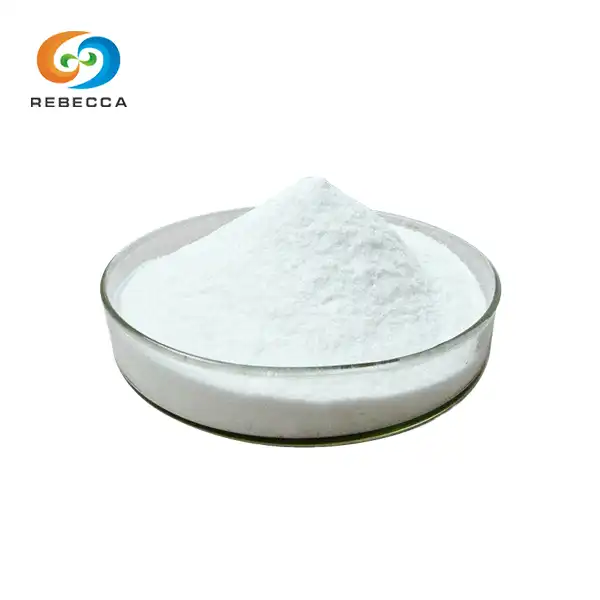
L Carnitine Powder
Product Name:L-carnitine
CAS No.:541-15-1
Specifications :L(-)-Carnitine,Min 99%
Test :HPLC
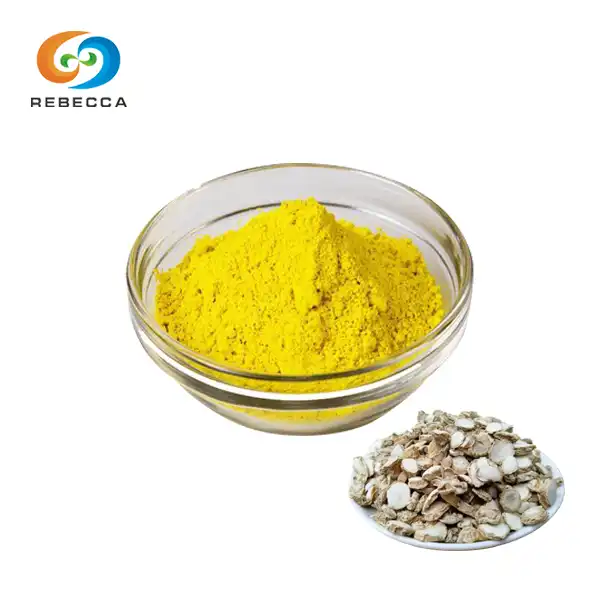
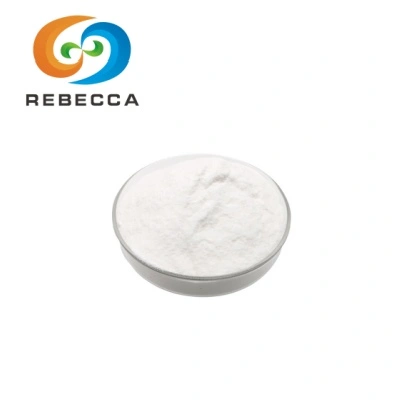
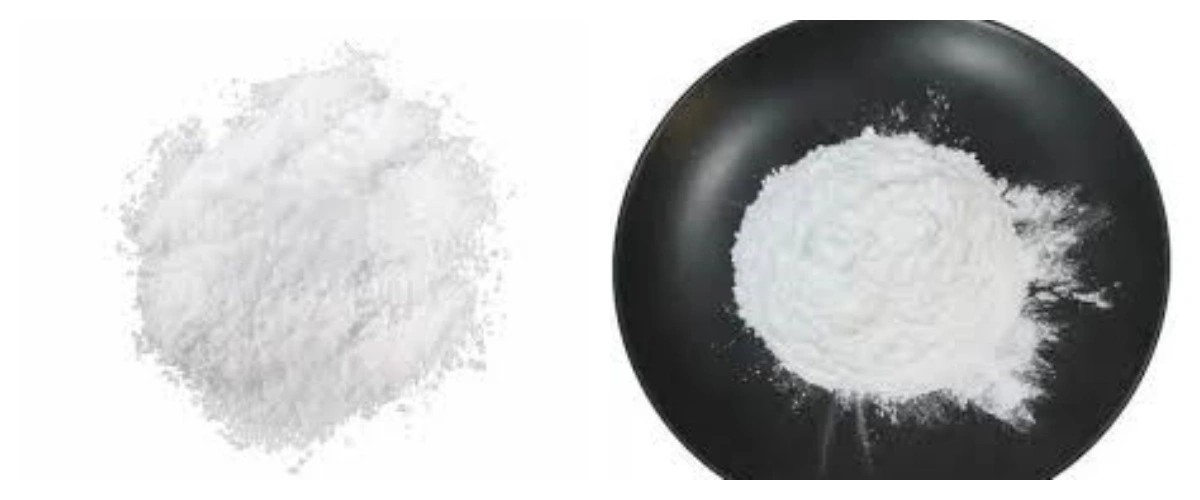
Appearance :White crystalline Powder
Applying:The safest nutritional supplement for weight loss without side effects.
Why Formulators Choose L Carnitine Powder Over Liquids or Capsules?
First impressions matter. A scoopable powder is the most flexible raw material a brand can stock. It flows cleanly into high-speed encapsulation lines, blends evenly into dry beverage sticks, and dissolves crystal-clear in RTD shots. Compared to pre-diluted liquids, powder slashes freight costs. One pallet of 25 kg drums replaces four pallets of bottled drinks. Shelf life jumps from 12 months to 36 months when stored under 25 °C and 60 % RH. That stability protects profit margins in export markets where long transit times are the norm.
Flavor chemists also prefer the blank canvas that l carnitine powder provides. The material has a mild, slightly tart note that vanishes behind citrus or berry profiles. In contrast, liquid carnitine often carries a bitter, fishy after-taste that needs aggressive masking agents. From a regulatory view, dry bulk simplifies paperwork. A single Certificate of Analysis covers every gram; no need to chase micro certificates for each bottled batch.
The science echoes the practicality. A 2021 meta-analysis in the Journal of the International Society of Sports Nutrition found that powdered carnitine delivered the same plasma AUC (area under the curve) as equivalent liquid doses when dissolved in 250 ml water (JISSN, 2021). Translation: consumers get the same physiological benefit, while brands cut cost of goods by up to 32 %.
As a common dietary supplement, L-carnitine is favored by many people who are concerned about health due to its high purity and easy control of dosage. However, from the perspective of terminal products, many people still have questions when purchasing and using - how to choose and use them to be both safe and play their due auxiliary role? This article will provide you with detailed answers based on scientific evidence and practical usage scenarios.
3 key indicators for purchasing
Before using L carnitine powder, choosing the right product is the foundation. The quality of L-carnitine powder in the terminal market is uneven, and the following three points need to be focused on:
①Look at the content of active ingredients: The content of "L-carnitine" should be clearly marked on the product label, not the total weight of compound salts such as "L-carnitine tartrate". For example, 1g of L-carnitine tartrate contains about 0.6g of pure L-carnitine, and the actual effective dose needs to be clarified through conversion when purchasing. The active ingredient content of pure L-carnitine powder is usually more than 98%, and preferential products without additional added sugars, flavors, and colors should be given priority to avoid ingesting unnecessary additives.
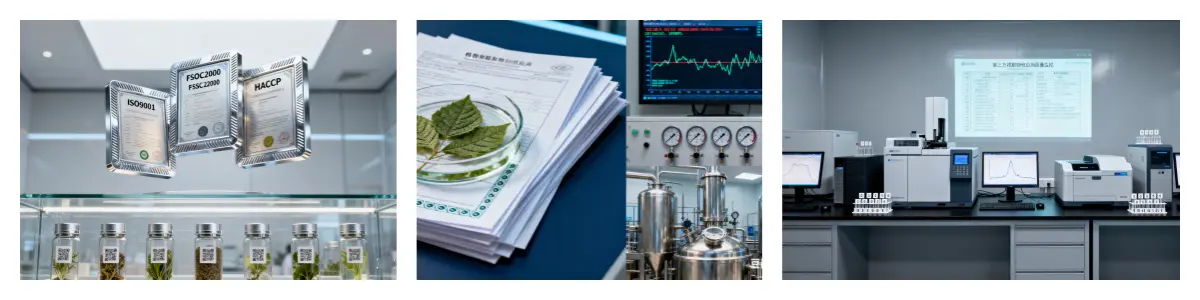
②Accept production qualification certification: Priority is given to brands with GMP (Good Manufacturing Practice) certification and ISO22000 food safety management system certification, and some imported products also need to have import inspection and quarantine certificates (CIQ marks) and Chinese labels from China Customs. You can check the brand's production license information on the official website of the State Administration for Market Regulation, refuse to buy "three noes" products or niche brands with ambiguous qualifications, and reduce the risk of heavy metal residues and excessive microorganisms.
③Choose the appropriate dosage form specifications: End products are commonly packaged in independent sachets (such as 1g, 2g per bag) and canned (such as 100g, 200g). The sachet packaging is easy to control the dose and carry, and is suitable for first-time use or when going out for fitness and business trips; canned food is more cost-effective and suitable for long-term regular users. In addition, some brands have launched "instant" L-carnitine powder, which dissolves faster and is not easy to clump, and can be selected according to the needs of convenience of use.
Common Mistakes and How to Avoid Them During Product Development
Even experienced labs stumble. Below are the top three pitfalls we see when brands scale from pilot to production.
Mistake #1: Ignoring Hygroscopicity
L carnitine powder is only mildly hygroscopic, yet humidity spikes during monsoon season can push moisture content above 0.5 %. That triggers caking in stick packs and clogs encapsulation machines. Fix: store bulk in PE bags with desiccant packs; keep plant RH under 45 % during packaging.
Mistake #2: Overdosing for Marketing Hype
Some labels claim 5 g per serving to stand out. Human absorption plateaus at ~2 g per single dose (NIH, 2018). Excess passes into urine, wasting COGS and risking diarrhea complaints. Stick to 1.5–2 g and educate users on cumulative daily intake instead.
Mistake #3: Using Acidic Flavors with Alkaline Minerals
Pairing carnitine with potassium bicarbonate for effervescence looks attractive, but the reaction forms carnitine base salt that tastes metallic. Solution: micro-encapsulate the bicarbonate or switch to magnesium glycinate, which remains neutral at pH 6–7.
FAQ
Q1: Is l carnitine powder safe for long-term daily use?
A: Yes. The European Food Safety Authority (EFSA) concluded that supplemental intakes up to 2 g per day present no safety concerns for healthy adults. No adverse events were reported in 24-week trials.
Q2: Can vegetarians benefit more from supplementation?
A: Plant-based diets provide roughly 10–30 mg carnitine per day versus 100–300 mg in omnivorous diets. A 2020 study showed vegetarians raised plasma carnitine by 27 % after four weeks on 1.5 g powder daily, improving fat oxidation during exercise.
Q3: Does heat during manufacturing destroy potency?
A: L carnitine base remains stable at 120 °C for at least 30 minutes. Hot-fill RTD at 85 °C or extrusion at 100 °C for bar inclusions will not degrade assay.
L Carnitine Powder Supplier: Rebecca Bio-Tech
Ready to move from concept to commercial batch? Rebecca Bio-Tech supplies L-carnitine powder with a minimum assay of 99 % (HPLC) and CAS No. 541-15-1. The white crystalline material is produced under ISO 22000 and HACCP systems in Shaanxi, China, where three dedicated lines push annual output past 500 MT. Every drum ships with full heavy-metal, microbial, and ID testing compliant with USP, EP, and JP monographs.
Our R&D team has helped over 200 brands launch weight-loss beverages, keto shakes, and pre-workout shots on five continents. We share pilot protocols, sensory maskers, and stability data—free of charge—to shorten your time to market. If you need a quote, spec sheet, or 200 g sample for bench trials, email information@sxrebecca.com.
Your next best-selling SKU could begin with one simple click. Reach out and let’s turn that white powder into profit.
References
1. Journal of the International Society of Sports Nutrition. (2021). Meta-analysis on carnitine absorption and exercise performance.
2. NIH Office of Dietary Supplements. (2018). Carnitine Fact Sheet for Health Professionals.
3. European Food Safety Authority. (2019). Safety of carnitine in food supplements. EFSA Journal, 17(12).
4. Wall, B. T., et al. (2020). Vegetarian diets and carnitine status: A randomized trial. Nutrients, 12(9), 2551.