
Is aloin good for skin?
When it comes to skincare, nature often provides some of the most potent and effective ingredients. One such compound that has been gaining attention in the beauty world is aloin. Derived from the aloe vera plant, aloin powder has been touted for its potential skin benefits. But is aloin really good for your skin? Let's delve into the science behind this natural ingredient and explore its potential benefits for your skincare routine.
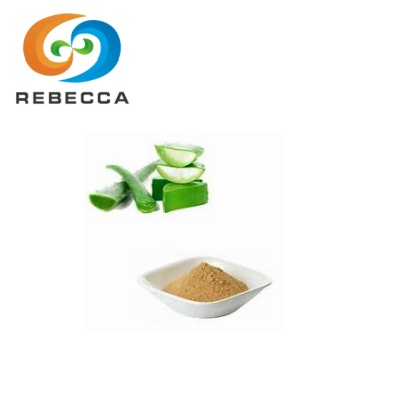
Aloin Powder
Product Name:Aloin Powder
Latin Name:Aloe vera (L.) Burm. f.
Active Ingredient:Aloin
Specification:10% 16%
Test Method:HPLC
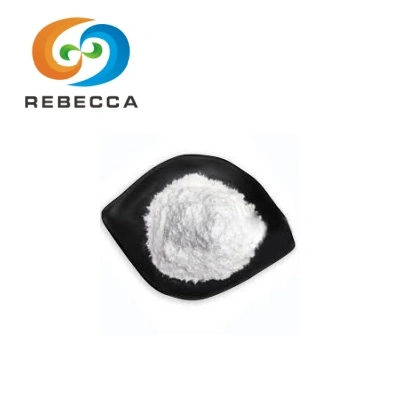
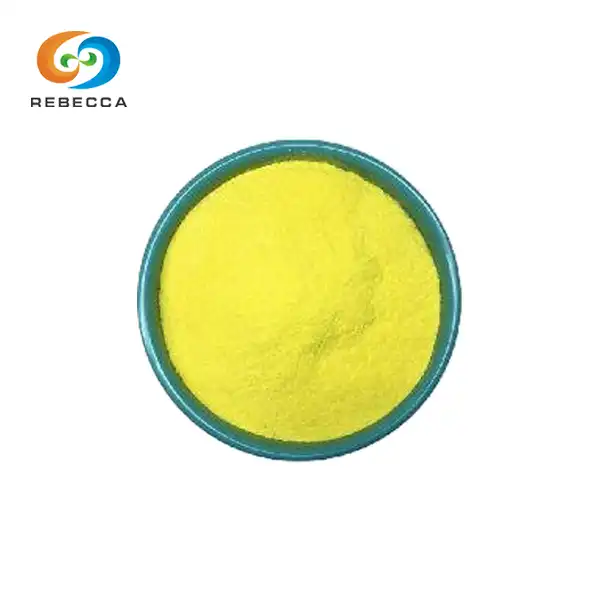
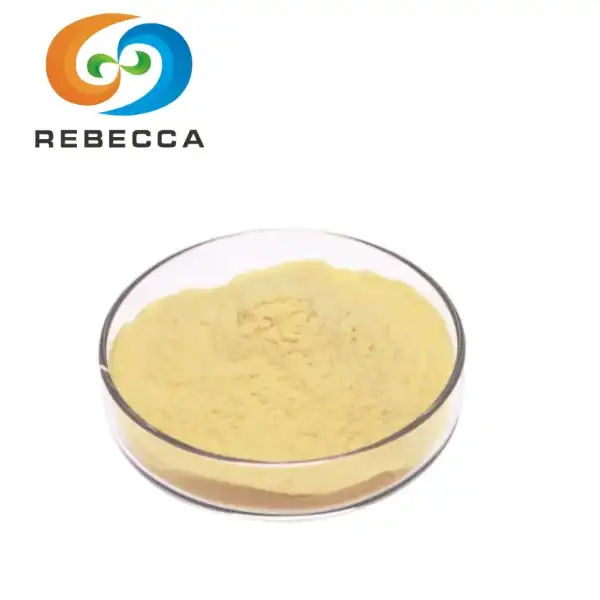
Appearance:Light yellowish-green powder
Cas No.:5133-19-7;1415-73-2
Shelf Life: 2 years
Minimum Order Quantity: 1 kg
Samples: Free samples available
Certifications: GMP, ISO, HACCP, KOSHER, and HALAL.
Payment: Various payment methods accepted.
Advantages: Manufactured in a 100,000-grade cleanroom, our products are additive-free, non-GMO
Inner Package: Double PE Bags; Net 5kg/Bag
Outside Package: Paper Drums, Net 25kg/Drum
Storage:Store in a cool, dry place away from Light and Heat.
What is Aloin?
Aloin, also known as barbaloin, is a natural compound found in the aloe vera plant (Aloe vera (L.) Burm. f.). It's a type of anthraquinone glycoside, which is responsible for many of the medicinal properties associated with aloe vera. Aloin is primarily found in the outer leaf of the aloe plant and is extracted to create aloin powder, a concentrated form of this beneficial compound.
Aloin powder has been used in traditional medicine for centuries, but recent scientific research has begun to shed light on its potential benefits for skin health. Let's explore some of the ways aloin may be beneficial for your skin.
Antibacterial and Anti-inflammatory Properties
One of the most promising aspects of aloin for skincare is its potent antibacterial and anti-inflammatory properties. These characteristics make it a potentially valuable ingredient for those struggling with acne or other inflammatory skin conditions.
Research has shown that aloin exhibits strong antibacterial activity against a variety of bacteria, including those commonly associated with acne. A study published in the Journal of Ethnopharmacology found that aloin effectively inhibited the growth of Propionibacterium acnes, one of the primary bacteria responsible for acne formation.
Furthermore, aloin's anti-inflammatory properties may help soothe irritated skin and reduce redness. A 2018 study in the International Journal of Molecular Sciences demonstrated that aloin could suppress inflammatory responses in skin cells, suggesting its potential as an anti-inflammatory agent in skincare products.
These properties make aloin powder a promising ingredient for those seeking natural solutions for acne-prone or sensitive skin. By combating bacteria and reducing inflammation, aloin may help promote clearer, calmer skin.
Antioxidant Benefits
Another significant benefit of aloin for skin health lies in its antioxidant properties. Antioxidants play a crucial role in protecting our skin from damage caused by free radicals, which can lead to premature aging and other skin issues.
Aloin has been shown to possess strong antioxidant activity. A study published in the Archives of Pharmacal Research demonstrated that aloin exhibits potent free radical scavenging abilities, suggesting its potential to protect skin cells from oxidative stress.
This antioxidant activity may help in several ways:
- Protecting skin from UV damage: Aloin's antioxidant properties may help neutralize free radicals generated by UV exposure, potentially reducing the risk of sun damage.
- Slowing signs of aging: By combating oxidative stress, aloin may help prevent the breakdown of collagen and elastin, two proteins essential for maintaining youthful, firm skin.
- Brightening skin tone: Antioxidants can help reduce hyperpigmentation by inhibiting the production of excess melanin, potentially leading to a more even skin tone.
While more research is needed to fully understand the extent of aloin's antioxidant benefits for skin, these early findings are promising for those looking to incorporate natural antioxidants into their skincare routine.
Mild Cleansing Properties
In addition to its antibacterial and antioxidant properties, aloin also possesses mild cleansing abilities. This makes it a gentle yet effective ingredient for skincare formulations designed to cleanse and purify the skin.
The natural saponins present in aloin powder create a mild lathering effect when mixed with water. This property allows aloin-based products to effectively remove dirt, excess oil, and impurities from the skin without harsh scrubbing or stripping away the skin's natural oils.
Moreover, aloin's ability to gently cleanse the skin complements its antibacterial properties, making it potentially beneficial for those with acne-prone skin. By helping to remove excess sebum and bacteria from the skin's surface, aloin may contribute to a clearer complexion.
It's worth noting that while aloin has cleansing properties, it's generally milder than many synthetic cleansing agents. This makes it a potentially good option for those with sensitive skin who find traditional cleansers too harsh or drying.
FAQ
Q1: Is aloin safe for all skin types?
A: While aloin is generally considered safe for most skin types, it's always best to do a patch test before incorporating any new ingredient into your skincare routine. Some individuals may be sensitive to aloin, particularly those with very sensitive skin or allergies to plants in the Liliaceae family (which includes aloe vera). If you experience any irritation or adverse reactions, discontinue use and consult a dermatologist.
Q2: How long does it take to see results from using aloin in skincare?
A: The time it takes to see results can vary depending on individual skin types and the specific skin concerns being addressed. Some people may notice improvements in skin clarity and texture within a few weeks of consistent use. However, for more significant changes, such as reduction in hyperpigmentation or fine lines, it may take several months of regular use. As with any skincare ingredient, consistency is key to seeing long-term benefits.
Q3: Can aloin be used during pregnancy?
A: While topical use of aloin in small amounts is generally considered safe, it's always best to consult with your healthcare provider before using any new skincare ingredients during pregnancy. Some studies have suggested that high doses of oral aloin may have laxative effects, which could potentially be harmful during pregnancy. Therefore, it's important to use aloin-containing products as directed and seek professional advice if you have any concerns.
Aloin Powder For Sale
As we've explored, aloin offers a range of potential benefits for skin health, from its antibacterial and anti-inflammatory properties to its antioxidant effects and gentle cleansing abilities. If you're interested in incorporating this natural ingredient into your skincare formulations, Rebecca Bio-Tech offers high-quality aloin powder for sale.
Our aloin is derived from Aloe vera (L.) Burm. f. and is available in 10% and 16% concentrations. It's manufactured in a 100,000-grade cleanroom, ensuring the highest standards of purity and quality. Our product is additive-free, non-GMO, and comes with certifications including GMP, ISO, HACCP, KOSHER, and HALAL.
Key product details:
- Minimum Order Quantity: 1 kg
- Samples: Free samples available
For more product information, to request samples, or to discuss your custom requirements, please contact us at information@sxrebecca.com. Our team of experts is ready to assist you in finding the perfect aloin powder solution for your skincare formulations.
References
[1] Ndhlala, A. R., Amoo, S. O., Stafford, G. I., Finnie, J. F., & Van Staden, J. (2009). Antimicrobial, anti-inflammatory and mutagenic investigation of the South African tree aloe (Aloe barberae). Journal of Ethnopharmacology, 124(3), 404-408.
[2] Choi, S., Chung, M. H., & Lee, S. Y. (2018). Aloin: A Natural Anthraquinone with Anti-Inflammatory Effects in Skin. International Journal of Molecular Sciences, 19(9), 2620.
[3] Tian, B., & Hua, Y. (2005). Concentration-dependence of prooxidant and antioxidant effects of aloin and aloe-emodin on DNA. Food Chemistry, 91(3), 413-418.
_1730079799361.webp)