Is L-DOPA an amino acid?
To get right to the point, L-DOPA is an amino acid, but it is distinct from the 20 amino acids typically found in proteins; more precisely, it is a non-proteinogenic amino acid. As a vital building block for the brain's dopamine production, L-DOPA powder, formally known as 3,4-dihydroxy-L-phenylalanine (CAS No. 59-92-7), is highly prized in the pharmaceutical and supplement industries.
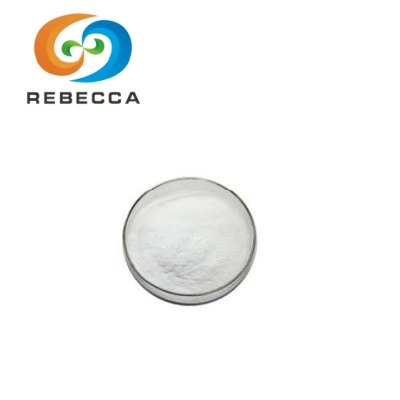
L-DOPA Powder
Product Name:L-DOPA Powder
Active Ingredient:L-DOPA
Specification:99%
Test Method:HPLC
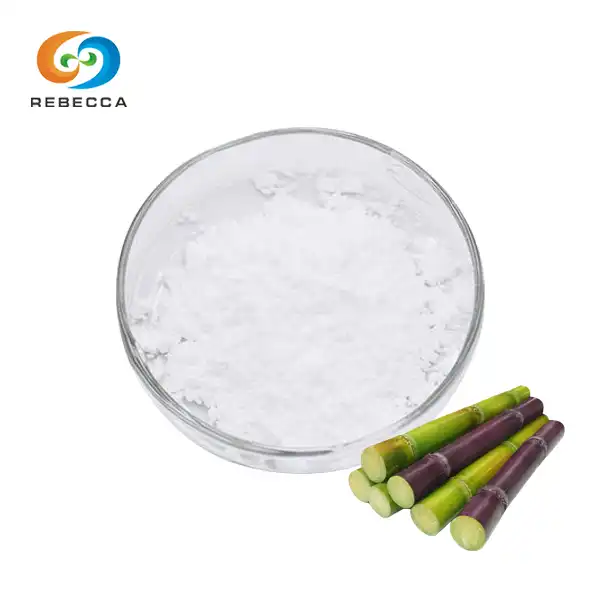
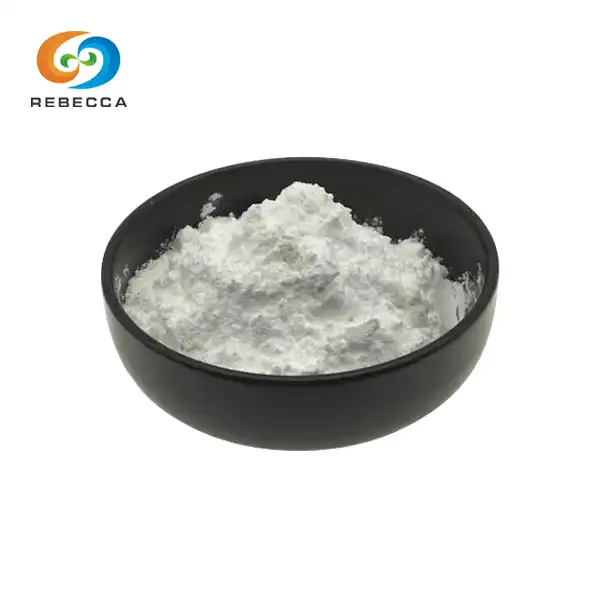
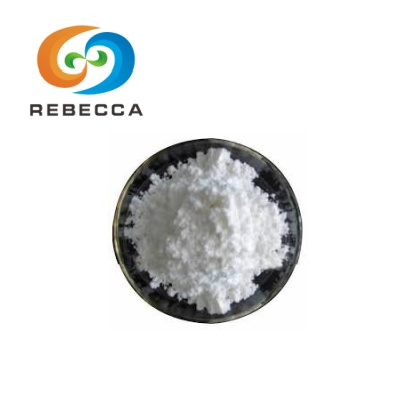
Appearance:White powder
Cas No.: 59-92-7
Shelf Life: 2 years
Minimum Order Quantity: 1 kg
Samples: Free samples available
Certifications: GMP, ISO, HACCP, KOSHER, and HALAL.
Payment: Various payment methods accepted.
Advantages: Manufactured in a 100,000-grade cleanroom, our products are additive-free, non-GMO
Inner Package: Double PE Bags; Net 5kg/Bag
Understanding L-DOPA: Chemical Nature and Biological Role
Chemical Classification and Molecular Structure
Non-proteinogenic amino acids are a subset of the amino acid family to which L-DOPA belongs. Due to its two hydroxyl groups connected to its benzene ring, L-DOPA has distinct molecular characteristics that set it apart from the twenty normal proteinogenic amino acids. This aromatic amino acid derivative is a white crystalline powder with a low water solubility that looks like a molecular formula of C9H11NO4.
Differentiating L-DOPA from more common amino acids such as phenylalanine or tyrosine is their structural complexity. It has the ability to successfully pass the blood-brain barrier, which is not achieved by ordinary dopamine, thanks to its twin hydroxyl groups. When administered directly to the nervous system, levodopa powder has a greater impact than dopamine because of its crossing capacity.
Biological Significance as Dopamine Precursor
The biosynthetic route in humans uses L-DOPA as an intermediary molecule to convert tyrosine to dopamine. One of the most important neurotransmitters for motor control, mood regulation, and cognitive function is dopamine, which is produced when the aromatic L-amino acid decarboxylase enzyme transforms L-DOPA straight into it once it reaches brain tissue.
To combat the increasing loss of dopamine-producing neurons in Parkinson's disease, pharmaceutical-grade L-DOPA has become an essential component. Its biological function explains why. The chemical is essential in neurological therapies because it may transport dopamine directly to target areas without crossing the blood-brain barrier. The medicinal value and commercial positioning of the molecule may be better understood by procurement experts by gaining an understanding of this mechanism.
Comprehensive Overview of L-DOPA Powder for Neurological Applications
Primary Therapeutic Applications and Clinical Uses
The most effective method for treating motor symptoms such as bradykinesia, stiffness of the muscles, and tremors in people with Parkinson's disease is using L-DOPA powder. The quality of life for people with dopaminergic insufficiency may be greatly enhanced with levodopa medication, according to clinical study. The possible advantages of L-DOPA for depression, cognitive enhancement, and other neurological diseases are being investigated by researchers in addition to its use in Parkinson's therapy.
Purity and formulation are two major factors that determine L-DOPA's medicinal efficacy. Pharmaceutical formulations that adhere to high-purity standards (such as the 99% grade) guarantee constant bioavailability and reduce the likelihood of adverse effects. One benefit of powder formulations is the increased manufacturing flexibility they provide. This flexibility enables the production of unique formulations for particular purposes and precision dosing.
Dosage Forms and Bioavailability Considerations
The therapeutic effectiveness of L-DOPA is greatly affected by different formulation techniques. When given on an empty stomach, powder formulations usually show better absorption rates than compacted tablets. The rate of dissolution and bioavailability are affected by the crystalline structure and particle size distribution of levodopa powder.
The compound's photo- and oxidation sensitivity necessitates unique packaging and handling procedures, which are factors to be considered throughout manufacturing. To confirm purity requirements and batch uniformity, professional providers use rigorous quality control procedures, such as HPLC testing techniques. When producing on a big scale, pharmaceutical companies rely on consistent, high-quality raw materials, therefore these considerations take on added significance.
Safety Profiles and Clinical Evidence
The safety profile of L-DOPA, when administered correctly, has been extensively supported by clinical studies. Common adverse effects include upset stomach, especially nausea and vomiting, which usually go away if the medicine is used regularly. Dosage monitoring and medical supervision are necessary for long-term administration due to the risk of motor fluctuations and dyskinesia.
The therapeutic window and dose-response connections of L-DOPA are shown by data from clinical trials that span decades. To ensure their medications are both effective and safe for use, pharmaceutical companies must take these safety factors into account when creating new formulations. Procurement teams may rest easier when they evaluate vendors that have quality certifications, such as GMP and ISO standards.

Evaluating L-DOPA Powder vs Alternatives: Insights for Procurement Decisions
Comparison with Alternative Dopaminergic Therapies
Dopamine agonists, MAO-B inhibitors, and natural sources such as Mucuna pruriens extract are among the alternatives to L-DOPA that procurement professionals often consider. Predictable pharmacokinetics, substantial clinical documentation, and regulatory acceptability in worldwide markets are only a few of the benefits that pure L-DOPA provides over these alternatives.
When opposed to plant-based alternatives, which may include impurities and active ingredient amounts that vary, synthetic L-DOPA offers improved consistency. Despite being a natural option, Mucuna pruriens presents formulation issues and regulatory uncertainty in many countries due to its complex makeup. Synthetic levodopa powder's standardized nature takes care of these issues, giving trustworthy requirements for industrial uses.
Quality Standards and Certification Requirements
In order to satisfy the varied needs of their customers, professional providers have extensive certification portfolios. Supplement manufacturers must have HACCP certification, pharmaceutical applications must have GMP compliance, and some market sectors must have religious certifications like Kosher or Halal. These certifications guarantee that goods are up to par with demanding quality standards and can satisfy a wide range of consumer needs.
Industry standards for L-DOPA procurement are represented by the following quality parameters:
•Achieving 99% purity using modern purification procedures is a common goal for pharmaceutical-grade goods, according to their purity criteria
• Strict regulations on the amount of heavy metals such as lead, mercury, cadmium, and arsenic guarantee conformity with safety standards
•Yeast, mold, and pathogen testing in accordance with pharmacopoeial regulations; total plate counts; and microbiological standards
• The use of gas chromatography to confirm the lack of potentially dangerous processing solvents is known as residual solvent analysis
These quality procedures safeguard consumers and guarantee conformity with market-specific regulations. The procurement teams get an advantage when the suppliers keep detailed records and offer thorough analysis certifications with every shipment.
Market Pricing and Supply Chain Considerations
Factors such as production complexity, raw material prices, and fluctuations in market demand determine the global pricing of L-DOPA. As a result of the high standards of quality and the small pool of suppliers, pharmaceutical-grade specs have a premium price tag. For large-scale industrial operations, bulk purchase agreements may guarantee supply continuity while offering economic benefits.
Relationships with suppliers, geographical diversity, and effective inventory management are the three pillars upon which a stable supply chain rests. To reduce the likelihood of interruptions, top suppliers keep a network of secondary manufacturing sites and backup systems online. To effectively source while controlling cost demands, procurement teams need to understand seasonal fluctuations, regulatory changes, and market dynamics.

How to Choose and Source L-DOPA Powder for Industrial and OEM Use?
Supplier Evaluation Criteria and Due Diligence
The technical skills, quality processes, and business terms of potential L-DOPA powder providers must be carefully considered before a source is selected. Infrastructure for production, analytical prowess, adherence to regulations, and responsiveness to customers are some of the most important aspects to evaluate. A supplier's dedication to quality production is shown when they operate dedicated facilities with the proper cleanroom ratings.
Inspection records, audit summaries, and certification maintenance logs are all part of the regulatory compliance verification process. Credible vendors are open to audits by their customers and keep the lines of communication open about their quality procedures and efforts to improve continuously. Trust is fostered and partnerships are strengthened via this openness.
Product Specifications and Application Alignment
The grades and standards of products must be tailored to each application. Materials requiring USP or EP certification, together with detailed impurity profiles and stability data, are essential for the pharmaceutical industry. In order to meet safety and effectiveness standards, supplement producers may use food-grade ingredients. Skin compatibility and preservation properties may be given priority in cosmetic applications.
Particle size distribution, moisture content, storage needs, and planned formulation system compatibility are all aspects that technical specs should include. Offering customisation services allows suppliers to tailor specifications to particular application needs, giving them an edge in niche markets.
Bulk Order Management and Logistics Optimization
Efficient procurement procedures provide supply security while balancing inventory expenses. Starting at 1 kg for sample assessment, the minimum order quantities increase up to several tons for commercial production. Suppliers who provide a range of packing alternatives, such as double PE bags with a net weight of 5 kilograms, make it easier to handle and optimize storage.
Controlling temperature, customs paperwork, and regulatory clearance needs are all factors to think about when exporting internationally. In order to guarantee that items reach consumers in the best possible shape and on time, seasoned suppliers provide extensive logistical assistance. For production timelines that are tight on time, this operational excellence is invaluable.

Rebecca: Your Trusted L-DOPA Powder Manufacturer for Global Procurement
Company Excellence and Manufacturing Capabilities
The region of Shanxi Rebecca is a major player in the natural herbal extract business, where she produces premium L-DOPA powder for international B2B customers. Our pharmaceutical-grade levodopa products are manufactured in our state-of-the-art facilities that operate under conditions of 100,000-grade cleanrooms. Our three professional manufacturing lines allow us to meet the demands of multinational procurement teams for scalability and dependability, with an annual capacity surpassing 500 metric tons.
With 99% purity confirmed by HPLC testing, our L-DOPA powder satisfies the most demanding industry requirements. The identification of each batch is confirmed, microbiological screening is conducted, and heavy metal analysis is performed as part of the thorough quality control testing. Our clients can trust our production methods since the white powder that is produced keeps its look and performance qualities constant.
Comprehensive Certification Portfolio and Quality Assurance
In order to cater to the varied needs of international markets, Rebecca has a comprehensive portfolio of certifications. Compliance with pharmaceutical, supplement, and specialized market requirements is ensured by our facilities' GMP, ISO, HACCP, Kosher, and Halal certifications. Our dedication to meeting or exceeding industry and regional standards for quality and regulatory compliance is shown by these certifications.
From sourcing raw materials to delivering finished goods, our quality control systems cover it all. With our state-of-the-art analytical capabilities, we can verify the purity of each batch using HPLC equipment, guaranteeing that it will meet or surpass client criteria. With a two-year shelf life, you can easily manage your inventory and distribute your products, allowing your supply chain to run smoothly.
Value-Added Services and Customer Support
In addition to high-quality products, Rebecca offers extensive support services to make procurement easier. By offering free samples, we let clients try out our L-DOPA powder before they buy in bulk. This way, they can make an educated choice and minimize procurement risks. Our adaptable payment policies are designed to meet the needs of a wide range of customers and are in line with global business standards.
Customers are assisted in optimizing formulations and addressing application-specific difficulties via technical consultancy services. Product selection, stability factors, and regulatory requirements are all areas in which our research and development team—comprised of specialists in chemistry, biology, and pharmacology—offers advice. Customers who are creating new goods or expanding into other markets find this knowledge very useful.
Conclusion
As a precursor of dopamine, L-DOPA is a novel non-proteinogenic amino acid with great medicinal potential. Because of its amino acid categorization and its capacity to pass the blood-brain barrier, L-DOPA powder is an essential ingredient in supplement formulations and neurological treatments. When assessing vendors and goods, procurement experts do well to familiarize themselves with the chemical composition, medicinal uses, and quality standards of the component. Consistent product performance and regulatory compliance may be achieved via reliable suppliers, attention to purity criteria, and compliance with certifications.
Partner with Rebecca for Premium L-DOPA Powder Solutions
Rebecca combines manufacturing excellence with comprehensive customer support to deliver superior L-DOPA powder solutions for global procurement needs. Our 99% purity specifications, extensive certifications, and flexible service options provide the reliability and quality that discerning customers demand. Contact our team at information@sxrebecca.com to discuss your specific requirements and request complimentary samples. Visit sxrebecca.com to explore our complete product portfolio and discover how our expertise can support your manufacturing objectives with dependable L-DOPA powder supply solutions.
FAQ
①What makes L-DOPA different from standard amino acids?
L-DOPA belongs to the non-proteinogenic amino acid category, distinguished by its dual hydroxyl groups and inability to participate in protein synthesis. Unlike the 20 standard proteinogenic amino acids, L-DOPA serves as a specialized neurotransmitter precursor with unique therapeutic applications.
②How should L-DOPA powder be stored for optimal stability?
L-DOPA powder requires storage in cool, dry conditions away from direct light and oxidizing agents. Sealed containers in temperature-controlled environments maintain product stability throughout the two-year shelf life. Proper storage prevents degradation and ensures consistent performance.
③What purity levels are appropriate for different applications?
Pharmaceutical applications typically require 99% purity or higher to meet regulatory standards and ensure therapeutic consistency. Supplement applications may accept slightly lower purities while maintaining safety and efficacy requirements. Cosmetic applications prioritize compatibility and safety profiles over maximum purity.
④How does synthetic L-DOPA compare to natural sources like Mucuna pruriens?
Synthetic L-DOPA offers superior consistency, purity, and regulatory acceptance compared to natural sources. While Mucuna pruriens provides a natural alternative, its variable composition creates formulation challenges and regulatory uncertainties. Synthetic products eliminate these concerns through standardized specifications.
References
1. Hornykiewicz, O. (2006). The discovery of dopamine deficiency in the parkinsonian brain and the development of L-DOPA therapy. Journal of Neural Transmission, 113(9), 1205-1220.
2. Poewe, W., & Seppi, K. (2001). Treatment options for depression and psychosis in Parkinson's disease. Movement Disorders, 16(S1), S72-S78.
3. Contin, M., & Martinelli, P. (2010). Pharmacokinetics of levodopa. Journal of Neurology, 257(Suppl 2), S253-S261.
4. Marsden, C. D. (1994). Problems with long-term levodopa therapy for Parkinson's disease. Clinical Neuropharmacology, 17(Suppl 2), S32-S44.
5. Yoshikawa, M., Murakami, T., Shimada, H., Matsuda, H., Yamahara, J., Tanabe, G., & Muraoka, O. (1997). Medicinal foodstuffs. XIV. On the bioactive constituents of Mucuna pruriens: isolation and structure elucidation of a new phenolic compound, mucunaphenol. Chemical and Pharmaceutical Bulletin, 45(10), 1741-1744.
6. Standaert, D. G., & Young, A. B. (2001). Treatment of central nervous system degenerative disorders. In Goodman & Gilman's The Pharmacological Basis of Therapeutics (10th ed., pp. 549-568). McGraw-Hill Medical Publishing Division.