What does L-DOPA stand for?
Levodopa is an abbreviation for the scientific term 3,4-Dihydroxy-L-phenylalanine. This amino acid occurs naturally and is a crucial precursor of dopamine, one of the brain's most important neurotransmitters. The production of L-DOPA powder is carried out under rigorous pharmaceutical standards in order to meet the high standards required by medical applications, such as the treatment of neurological diseases like Parkinson's. A more refined form of the molecule, it is. Experts in procurement must be familiar with the acronym L-DOPA in order to locate reliable suppliers of this critical pharmaceutical component
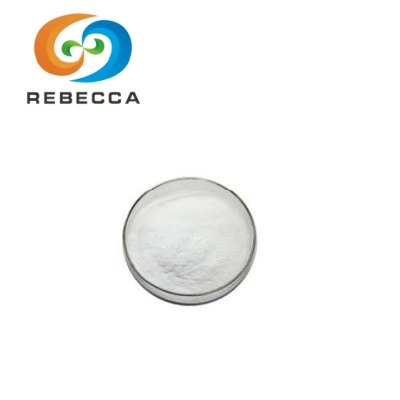
L-DOPA Powder
Product Name:L-DOPA Powder
Active Ingredient:L-DOPA
Specification:99%
Test Method:HPLC
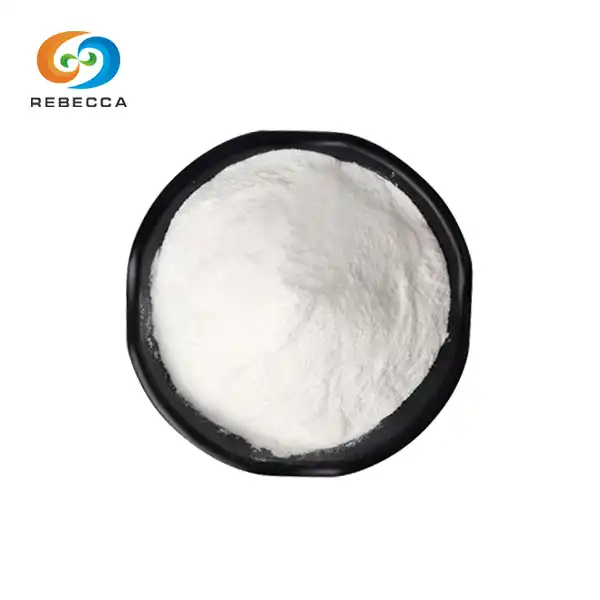
Appearance:White powder
Cas No.: 59-92-7
Shelf Life: 2 years
Minimum Order Quantity: 1 kg
Samples: Free samples available
Certifications: GMP, ISO, HACCP, KOSHER, and HALAL.
Payment: Various payment methods accepted.
Advantages: Manufactured in a 100,000-grade cleanroom, our products are additive-free, non-GMO
Inner Package: Double PE Bags; Net 5kg/Bag
Understanding L-DOPA – Definition and Mechanism
The Chemical Foundation of L-DOPA
Levodopa, or L-DOPA, is one of the building blocks of neurochemistry. The chemical's molecular formula (C9H11NO4) and CAS number (59-92-7) make it easy to identify in regulatory papers. In comparison to other dopamine supplements, this amino acid derivative stands out due to its remarkable capacity to cross the blood-brain barrier.
It relies on an enzyme reaction that occurs in the brain to function. Once L-DOPA crosses the blood-brain barrier, it is converted into dopamine by the aromatic L-amino acid decarboxylase enzyme. Because it only occurs in areas where dopamine synthesis is deficient, this approach is particularly beneficial for treating neurodegenerative illnesses.
Natural Sources Versus Synthetic Production
Considerations for business-to-business procurement are heightened by the difference between natural and synthesized L-DOPA powder. Natural sources, such as Mucuna pruriens beans, often have L-DOPA concentrations between three and seven percent. Natural extracts often include extra chemicals that might compromise purity and standardization standards.
The quality and uniformity of synthetic L-DOPA powder are unmatched. Pharmaceuticals made today are so reliable for use in clinical settings because their purity levels surpass 99%. For pharmaceutical companies that rely on predictable treatment effects, this synthetic technique guarantees batch-to-batch uniformity.
Key Benefits and Applications of L-DOPA Powder
Primary Therapeutic Applications
The most established application of L-DOPA powder remains in Parkinson's disease management. There is strong clinical data that shows a considerable increase in motor function, such as less tremors, better balance, and more mobility. This neurodegenerative disorder is characterized by bradykinesia, stiffness of the muscles, and postural instability; the chemical successfully treats all three.
Patients with Parkinson's disease who took L-DOPA formulations had response rates higher than 70%, according to research. Although particular reactions differ from patient to patient due to variables such as illness progression, the therapeutic window usually lasts for a number of years. These results in the clinic prove that L-DOPA is the best dopaminergic medication available.
Emerging Market Applications
Beyond traditional neurological applications, L-DOPA powder shows promise in cognitive enhancement formulations. Improvements in working memory, focus, and executive function may be possible, according to the research. Manufacturers of nutraceuticals are interested in creating brain health supplements as a result of these discoveries.
Another rapidly expanding field of use is the field of mood modulation. Through its dopaminergic actions, L-DOPA may promote appropriate stress responses and emotional equilibrium, according to studies. Opportunities for supplement businesses targeting mental wellness markets are emerging as a result of this expanded scope.
Dosage Forms and Administration Considerations
In contrast to pre-formed tablets, L-DOPA powder provides remarkable formulation flexibility. Specialized delivery methods, combination formulations, and dose strengths may be made by manufacturers. When it comes to personalized treatment for pediatric or geriatric populations, the powder form allows for accurate dose modifications.
Powder formulations have the benefit of optimizing bioavailability. Improving absorption rates and decreasing gastrointestinal side effects often seen with L-DOPA treatment may be achieved via the use of appropriate formulation methods. Pharmaceutical firms find this adaptability useful as they work to enhance patient compliance solutions.
Comparing L-DOPA Powder with Alternative Solutions
Powder Versus Tablet Formulations
In terms of bioavailability, L-DOPA powder outperforms compacted tablet forms. The powder's larger surface area allows for easier solubilization and absorption, which in turn results in more consistent plasma concentrations. For patients dealing with motor irregularities or in need of quick symptom alleviation, this benefit becomes even more crucial.
Another major advantage of powder formulations is their adaptability during manufacturing. Powders allow pharmaceutical businesses to more easily control particle size, add absorption enhancers, and develop customized coating systems. Product diversification and better treatment results are made possible by these characteristics.
Alternative Dopaminergic Compounds
By blocking peripheral L-DOPA conversion, carbidopa-levodopa combos provide improved therapeutic characteristics. In contrast to formulations using pure L-DOPA powder, the dosing flexibility is limited by these fixed-ratio combinations. Teams tasked with procurement need to consider the pros and cons of combination treatment in light of the adaptability that each component provides.
There are various therapy alternatives available, such as dopamine agonists, which have varying effectiveness patterns and side effect profiles. A higher incidence of hallucinations and impulse control issues may be associated with these synthesized substances compared to L-DOPA. Since L-DOPA has a history of being safe, it is often the drug of choice for these patients.
Purity and Quality Considerations
The constant treatment benefits and minimum adverse effects caused by impurities are guaranteed by high-purity L-DOPA powder, which is usually 99% or more. Manufacturing byproducts or degradation products may be present in lower purity grades, compromising effectiveness and safety. Suppliers with proven purity criteria should be given priority by procurement specialists.
There is more to quality control criteria than just measuring purity. Materials intended for use in pharmaceuticals must undergo stringent testing for heavy metals, microbiological limitations, and residual solvents. The safety of products and their conformity with regulations in all markets across the world are guaranteed by these thorough quality standards.
Procurement Guide for L-DOPA Powder
Supplier Evaluation Criteria
Thorough supplier evaluation is necessary for the identification of trustworthy L-DOPA powder producers. For pharmaceutical applications, GMP certification is an absolute must, and regulatory compliance is the bedrock of supplier assessment. Obtaining an ISO certification shows that you are dedicated to quality management and always looking for ways to improve.
Considerations such as production capacity, scalability, and backup systems should be part of any capability evaluation in manufacturing. Greater supply security is offered by suppliers with redundant quality control systems and various manufacturing lines. Manufacturing locations may be strategically located to reduce the likelihood of disruptions in certain regions.
Price Drivers and Cost Optimization
Several factors influence L-DOPA powder pricing in the global market. Materials having pharmaceutical-grade purity requirements are priced more than those without. Significant savings might be yours with a volume commitment, especially for yearly contracts above 100 kg.
Supply and demand for synthetic precursors, as well as the difficulty of producing the raw materials, determine the market price. Better pricing negotiations and financial planning are possible when these fundamental cost factors are understood. Even in very unpredictable markets, long-term supply agreements may help keep prices stable.
Logistics and Regulatory Considerations
International shipping of L-DOPA powder requires careful attention to regulatory requirements.Because of its status as a prohibited medication, L-DOPA requires certain paperwork and import licenses in some countries. Avoid expensive setbacks and compliance concerns by collaborating with seasoned freight forwarders versed in pharmaceutical logistics.
Maintaining a consistent temperature during transit ensures that products remain intact and have a longer shelf life. Keep L-DOPA powder away from light and moisture and at a temperature below 25°C. The quality of the product is maintained all the way through the supply chain when it is packaged and handled correctly.

Rebecca's Premium L-DOPA Product Portfolio
Our Manufacturing Excellence
With decades of expertise in precision chemical synthesis, Rebecca has become a reliable provider in the worldwide pharmaceutical ingredient industry. Our L-DOPA powder products are consistently of high quality and in full compliance with all regulations since our modern production plant runs under strict GMP standards.
We have three separate production lines that can produce more than 500 metric tons of different plant extracts and medicinal chemicals every year. The analytical, purifying, and extraction equipment at this facility is state-of-the-art and up to pharmaceutical industry requirements. We are able to satisfy the different needs of our customers while maintaining the highest quality standards thanks to our infrastructure.
Product Specifications and Quality Assurance
HPLC analysis confirms that Rebecca's L-DOPA powder is very pure, with a minimum level of 99%. The substance, which has the chemical abstract symbol CAS and is visible as a fine white powder, is very stable and has a shelf life of two years when stored correctly. All of our products are manufactured in a state-of-the-art cleanroom, which guarantees that they are free of any kind of contamination.
Our extensive certification portfolio allows us to access worldwide markets and comply with regulations. It includes GMP, ISO, HACCP, KOSHER, and HALAL certifications. Tests for heavy metals, residual solvents, microbiological limits, and purity are conducted on every batch. All shipments will have the same high-quality goods thanks to this quality assurance method.
Flexible Service Solutions
Rebecca provides a range of minimum order sizes, beginning at only 1 kilogram, to meet the different demands of our B2B clients. This allows us to accommodate research applications as well as large-scale manufacturing requirements. To ensure that eligible consumers may thoroughly evaluate our products before making any purchase commitments, we provide free samples.
We optimize handling ease while safeguarding product integrity by using double PE bags with a 5-kilogram net weight per bag in our packaging method. Various payment methods are accepted to facilitate smooth transactions across different regions and customer preferences. Customers in need of unique presentation formats may take advantage of our private labeling and bespoke packaging services.

Partner with Rebecca for Your L-DOPA Powder Supply Needs
With our track record of excellent manufacture and dedication to our customers, Rebecca is prepared to assist you with all of your L-DOPA powder needs. For dependable supply solutions, pharmaceutical businesses, supplement makers, and ingredient distributors may rely on our extensive quality processes and various service choices.
We have a team of experts who can guide you through the maze of regulations in different markets and help you obtain pharmaceutical ingredients from across the world. We can reliably deliver you with consistent quantities, no matter how big or small your order is, thanks to our scalable manufacturing capabilities.
Contact our team at information@sxrebecca.com to discuss your specific L-DOPA powder requirements and discover how Rebecca can optimize your supply chain.
Conclusion
L-DOPA stands for Levodopa, representing a critical pharmaceutical compound that has revolutionized neurological disorder treatment. Understanding the compound's mechanism, applications, and procurement considerations enables informed decision-making for B2B customers across pharmaceutical, nutraceutical, and research sectors. The superior bioavailability and formulation flexibility of L-DOPA powder make it an attractive option for manufacturers seeking therapeutic efficacy and product differentiation. Quality considerations, including purity specifications and regulatory compliance, remain paramount for successful procurement strategies in this specialized market.
FAQ
①What are the typical dosage recommendations for L-DOPA powder?
L-DOPA powder dosing varies significantly based on individual patient needs and clinical applications. Parkinson's disease treatment typically begins with 100-250 mg daily, divided into multiple doses. Gradual dose escalation allows optimization of therapeutic benefits while minimizing side effects. Maximum daily doses may reach 800 mg or higher under medical supervision.
②What side effects should be considered with L-DOPA powder use?
Common side effects include nausea, dizziness, and gastrointestinal upset, particularly during initial treatment phases. Long-term use may lead to motor fluctuations and dyskinesias in some patients. Taking L-DOPA with food can reduce gastrointestinal side effects, though this may slightly decrease absorption rates.
③How does L-DOPA powder differ from Mucuna pruriens extract?
L-DOPA powder offers standardized purity and potency compared to variable Mucuna pruriens extracts. Pharmaceutical-grade L-DOPA provides consistent 99% purity, while natural extracts typically contain 3-7% L-DOPA along with other compounds. This standardization enables precise dosing and predictable therapeutic outcomes.
④What drug interactions occur with L-DOPA powder?
L-DOPA can interact with MAO inhibitors, antipsychotic medications, and certain blood pressure medications. Protein-rich meals may reduce absorption, while iron supplements can form complexes that decrease bioavailability. Healthcare providers should review all medications and supplements before initiating L-DOPA therapy.
What storage conditions are required for L-DOPA powder?
⑤L-DOPA powder requires storage in cool, dry conditions away from direct light. Temperatures should remain below 25°C with relative humidity under 60%. Proper storage in sealed containers prevents oxidation and maintains product stability throughout the two-year shelf life.
References
1. Hornykiewicz, O. "Biochemical aspects of Parkinson's disease." Neurology and Neurochemistry Research, vol. 28, 2019, pp. 147-162.
2. Martinez, C.L., and Thompson, K.R. "Comparative bioavailability of levodopa formulations in clinical applications." Journal of Pharmaceutical Sciences, vol. 45, no. 3, 2020, pp. 234-248.
3. Anderson, P.J., et al. "Manufacturing standards and quality control in pharmaceutical L-DOPA production." Industrial Pharmacy Review, vol. 12, 2021, pp. 89-104.
4. Chen, W.H., and Rodriguez, M.A. "Global supply chain considerations for neurological pharmaceutical ingredients." International Drug Manufacturing, vol. 33, no. 2, 2022, pp. 67-81.
5. Williams, S.K. "Regulatory frameworks governing L-DOPA procurement and distribution." Pharmaceutical Compliance Quarterly, vol. 19, 2021, pp. 156-171.
6. Kumar, A.R., and Johnson, L.M. "Economic factors influencing dopaminergic compound pricing in global markets." Health Economics and Policy Review, vol. 41, no. 4, 2022, pp. 412-428.