How does synthetic capsaicin enhance modern food products?
By providing constant heat intensity, improved taste profiles, and higher product stability, synthetic capsaicin revolutionizes current food processing. To eliminate seasonal supply fluctuations and quality discrepancies, food makers can now precisely manage pungency levels with this laboratory-engineered molecule that is chemically equivalent to natural capsaicin. Its potency, achieved by controlled synthesis, is 16,000,000 SHU, and it is ≥98% pure. This allows for exact formulation in sauces, processed foods, and functional drinks, and it also extends the shelf life of these products and ensures regulatory compliance in worldwide markets
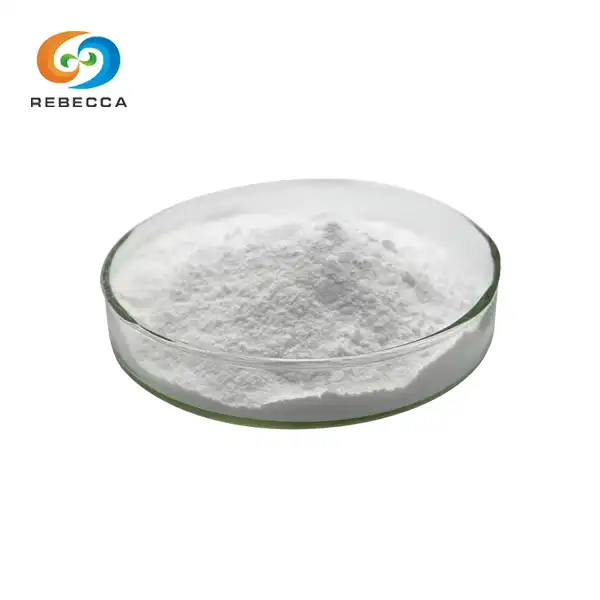
Synthetic Capsaicin
1.Product Name: Synthetic Capsaicin
2.Other Name:nonivamide powder, Pelargonic acid vanillylamide, Synthetic N-Vanillylnonamide
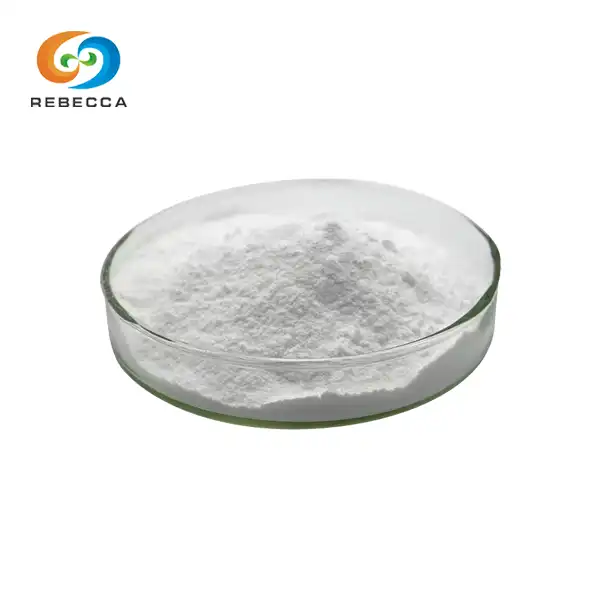
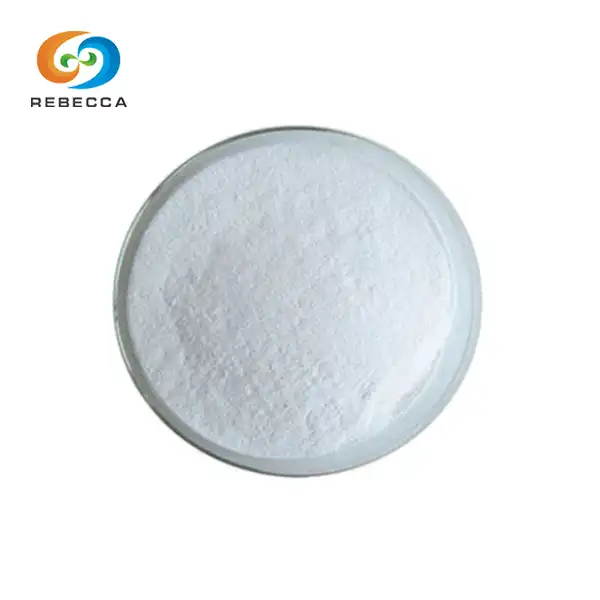
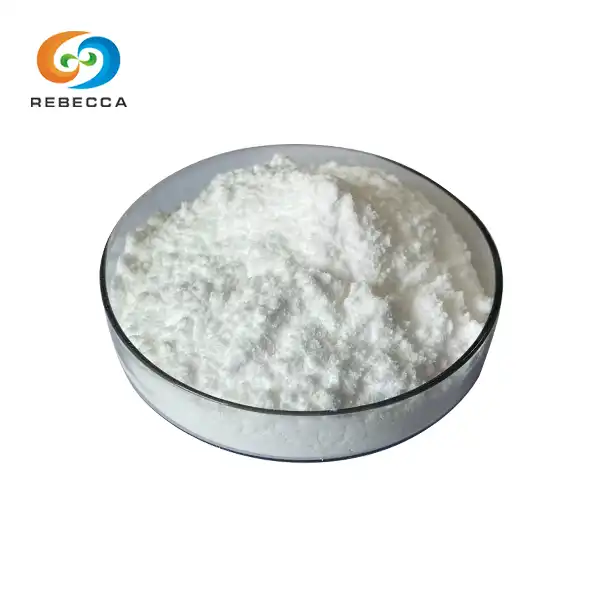
3.Appearace: Off-white to white powder
4.Specification: ≥98% HPLC
5.CAS No.:2444-46-4
6.Scoville Heat Unit:16,000,000 SHU
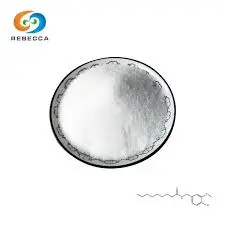
7.Molecular formula:C17H27NO3
8.Melting Range: 55~61℃
9.Synthetic capsaicin Professional Manufacturer and Supplier
10.Solubility:Soluble in Chloroform, Ethanol & Insoluble in Water
11.Package: 1kg/Aluminum foil bag, 20Bags/Drum
12.Free Sample Available, COA,MSDS Available
Understanding Synthetic Capsaicin and Its Chemical Profile
Manufacturers now have more control over the uniformity and quality of their products than ever before because of synthetic capsaicin, a major technological achievement in the culinary ingredient industry. The chemical structure of this substance is C17H27NO3, and it delivers unparalleled purity standards compared to natural extracts. It is also called nonivamide powder, pelargonic acid vanillylamide, or synthetic N-vanillylnonamide.
A powder with outstanding stability properties, ranging from white to off-white in color, is created during manufacture by use of complex chemical synthesis procedures. Synthetic capsaicin has outstanding thermal qualities necessary for a variety of food processing applications, with a melting range of 55-61°C and the CAS number 2444-46-4. The compound's selective solubility gives formulators a strategic edge in product development. It dissolves easily in ethanol and chloroform but not in water.
Quality Standards and Regulatory Compliance
Strict international quality requirements are followed in the creation of modern synthetic capsaicin, guaranteeing that it is safe for use in food and other various applications. The conventional criteria for natural extracts are surpassed by the clinically significant purity levels indicated by the ≥98% HPLC criterion. Because of its extraordinary purity, you won't have to worry about heavy metals, pesticide residues, or other toxins that are sometimes found in plant-based products.
When used within the specified dose ranges, synthetic capsaicin is recognized as safe for food applications by regulatory frameworks such as the FDA and EFSA standards. The substance is manufactured using a standardized procedure that allows for uniform documentation. This paperwork is necessary for producers to maintain thorough traceability records, which are required by worldwide markets.
Chemical Stability and Processing Advantages
Capsaicin, when synthesized in a controlled setting, has better thermal stability than extracts found in nature. This stability is very vital when it comes to food processing, especially when dealing with high temperatures, long periods of storage, and different pH levels. Capsaicin, in its natural form, may break down when subjected to processing stress, whereas synthetic versions retain its usefulness and potency throughout production cycles.
The benefits of processing go beyond only stability; they also include constant particle size distribution, predictable dissolving rates, and homogenous heat distribution in the finished products. Because of these features, food engineers are able to create recipes with accurate sensory profiles with little batch-to-batch variance, which is good for customer satisfaction.

Key Benefits of Using Synthetic Capsaicin in Modern Food Products
Product quality, cost efficiency, and market competitiveness are all positively affected by the use of synthetic capsaicin into food production processes. The importance of these advantages in keeping product standards constant and satisfying customer expectations for genuine taste sensations is becoming more and more acknowledged by modern food makers.
One major benefit of synthetic capsaicin over its natural counterparts is its consistency. Instead of dealing with the seasonal changes and geographical discrepancies that are inherent in natural pepper extracts, each batch of manufactured peppers offers an exact amount of heat. Thanks to this consistency, producers may create standard formulas that work every time, no matter how big or little the batch is.
Enhanced Flavor Profile Control
You can regulate the heat distribution and intensity progression in final items like never before using synthetic capsaicin. In contrast to natural extracts, which could include a variety of capsaicinoid compounds with different heat profiles, synthetic versions provide the full impact of capsaicin without any of the accompanying flavorings. Food manufacturers may use complementing flavoring chemicals without hindrance thanks to its purity, which enables them to accomplish precise sensory objectives.
Customers have a better experience with the product since the regulated heat release profile makes the burning sensations more predictable and they go away when the product is used as intended. The constant experience that luxury food items provide to consumers is a key factor in building brand loyalty and encouraging repeat purchases, making this control all the more important.
Extended Shelf Life and Product Stability
There is less need to worry about spoiling since synthetic capsaicin has better oxidative stability than natural extracts, which means products may be kept for a longer period of time. Products retain their target heat levels throughout their shelf life cycle because they do not include any plant-based substances that may be broken down by enzymes.
Products marketed across multiple climatic areas benefit greatly from synthetic capsaicin because to its storage stability under a variety of temperature and humidity conditions. Brand reputation and operating expenses are also protected by this stability, which decreases potency-related warranty claims, product returns, and customer complaints.
Sustainability and Supply Chain Advantages
Peppers grown in the traditional way are subject to seasonality, weather, and other environmental constraints; however, this is not an issue with synthetic peppers. Supply chains that are self-sufficient are better able to weather changes in demand from the market and keep prices stable and raw materials on hand.
Predictable ingredient standards promote manufacturing efficiency by streamlining quality control operations, reducing testing needs, and minimizing production delays. The savings from these operational efficiency may be used to either increase prices for customers or fund new product development.
Comparative Insights: Synthetic Capsaicin vs Natural Capsaicin
Sourcing choices that meet operational needs and quality standards may be made by procurement experts with a solid grasp of the key distinctions between natural and synthetic capsaicin. Both substances have comparable sensory effects, but they are made in very different ways and have very different cost structures, consistency profiles, and manufacturing processes.
There is a clear distinction between synthetic and natural capsaicin sources in terms of purity levels. Natural extracts usually fall within a range of 60-95% depending on extraction techniques, source quality, and processing conditions, while synthetic manufacturing reliably attains ≥98% purity. The uniformity of the finished product and the accuracy of the formulation are both affected by this purity variation.
Cost Structure and Supply Reliability
Natural capsaicin extract prices swing with the seasons, crop yields, and the ups and downs of the international pepper market, in contrast to the artificial capsaicin price that stays quite constant all year. For large-scale food production operations, reliable cost forecasting and budget planning are important, and this price consistency makes it possible.
The benefits of a reliable supply become more obvious during times of high demand or when areas that cultivate peppers are hit by natural catastrophes. Independent of agricultural cycles, synthetic manufacturing facilities can keep up a steady output no matter what happens to the natural supply lines.
Functional Performance in Food Applications
Consumers are unable to differentiate between natural and synthetic capsaicin when used at equal quantities, according to laboratory research that shows how both types perform in blind taste tests. As a result of functional equivalence, synthetic ingredients may be used in place of natural ones without compromising product performance or customer satisfaction.
Because of its constant chemical makeup and particle size, synthetic capsaicin integrates more reliably into different food matrices, as shown by processing behavior. The quantity of oils, waxes, and other plant chemicals in natural extracts may change the way they mix, emulsify, and impact the texture of the finished product.
Procurement Considerations for Synthetic Capsaicin
Knowing how supplier skills, quality assurance standards, and logistical concerns affect total cost of ownership is crucial for strategic procurement of synthetic capsaicin. If they want their partnerships to succeed in the long run, successful procurement teams look at prospective suppliers from more than just a financial perspective.
In order to ensure that a supplier is committed to quality and follows all regulations, it is important to look for manufacturing certifications such as GMP, ISO, and food safety processes. When it comes to keeping track of information needed by regulatory bodies and internal quality systems, documentation skills are vital.
Quality Assurance and Testing Protocols
Certified analytical reports (COAs) and material safety data sheets (MSDSs) are available from reliable vendors and detail the testing for contaminants, safety criteria, and purity levels. Reducing procurement lead times and quality control expenses, these papers allow receiving teams to validate material requirements without doing substantial in-house testing.
Procurement teams may test materials in their intended uses with the help of sample programs before making a large-scale purchase decision. For a comprehensive assessment of material compatibility, professional suppliers provide sample amounts enough for lab testing and small-scale manufacturing trials.
Packaging and Logistics Considerations
The most efficient way to transport and store goods is in standard packing arrangements, such as 1 kilogram of aluminum foil bags packed in 20 bag drums. Minimizing the chances of contamination and product loss during storage and handling, this packaging strategy strikes a balance between material protection and handling efficiency.
Before sending anything internationally, make sure all paperwork is in order, keep the temperature controlled while in transit, and follow all customs compliance protocols to avoid any problems with regulations or delays. Prompt and accurate handling at every stage of the supply chain is possible because of the logistical relationships maintained by seasoned providers.

Rebecca's Advanced Synthetic Capsaicin Solutions
The region of Shanxi Rebecca is an expert in making synthetic capsaicin of the highest quality, which is why her products are trusted by ingredient wholesalers, pharmaceutical firms, and food producers throughout the world. Producing consistently high-purity goods that exceed industry standards, our cutting-edge production facility employs cutting-edge synthesis technology in conjunction with stringent quality control processes.
By using our extensive research and development skills, we can tailor the specifications of synthetic capsaicin to meet the needs of our clients. This includes modifying the levels of purity, particle size distribution, and creating bespoke formulations for various purposes. Our products are designed to fulfill technical standards and application performance criteria by integrating chemistry, biology, and pharmacology knowledge.
Manufacturing Excellence and Quality Assurance
Using end-to-end quality control systems, which track every step from sourcing raw materials to delivering completed products, Rebecca's manufacturing facility runs under GMP and ISO certification requirements. With an annual capacity of over 500 metric tons, our three professional manufacturing lines guarantee a steady supply for large-scale industrial applications.
In order to ensure that every batch satisfies the requirements for ≥98% purity and screens for possible impurities, advanced analytical capabilities, such as HPLC testing, are used. Ensuring openness throughout the production process, our quality team maintains robust documentation systems to support regulatory filings and customer audits.
Global Market Experience and Customer Support
Through her export-focused strategy, Rebecca has established fruitful collaborations in the North American, European, and Asia-Pacific markets, gaining an in-depth familiarity with local regulations and consumer tastes. Because of our global reach, we can tailor our support and compliance services to each location, making it easier to break into new markets and get the necessary approvals from regulators.
Customer performance optimization and development timeframe minimization are two goals of our technical support team's offerings. They aid with formulation, provide application advise, and troubleshoot. Problems with product development, scaling up processes, and quality improvement efforts may be better addressed with tailored consulting services.
Conclusion
With its improved performance qualities compared to natural alternatives, synthetic capsaicin is a game-changing ingredient technology that tackles important issues in current food processing. For innovative food producers aiming for a competitive edge in tough markets, capsaicin is a smart option due to its uniform quality, stable supply, and improved stability. Consumers' tastes are shifting toward more consistent, high-quality culinary experiences, and synthetic capsaicin lays the groundwork for new product innovations that can keep up with these demands without breaking the bank.
Partner with Rebecca for Premium Synthetic Capsaicin Solutions
Rebecca delivers exceptional synthetic capsaicin products that exceed industry standards while providing comprehensive support for your formulation and procurement needs. Our ≥98% HPLC purity specification, combined with 16,000,000 SHU potency, ensures your products achieve consistent performance across all production batches. As a leading synthetic capsaicin manufacturer, we offer competitive pricing, flexible minimum order quantities, and complete technical documentation, including COA and MSDS for every shipment. Contact our team at information@sxrebecca.com to request free samples, discuss customization options, and explore how our advanced manufacturing capabilities can enhance your product development initiatives.
FAQs
①What safety considerations apply to synthetic capsaicin in food applications?
Synthetic capsaicin maintains the same safety profile as natural capsaicin when used within established dosage guidelines. Regulatory agencies including the FDA recognize synthetic variants as Generally Recognized as Safe (GRAS) for food applications. The high purity levels achieved through synthetic production actually reduce safety concerns by eliminating potential contaminants present in natural extracts.
②How does synthetic capsaicin compare cost-wise to natural extracts?
While initial unit costs for synthetic capsaicin may appear higher than natural extracts, total cost of ownership often favors synthetic variants due to consistent pricing, eliminated waste from quality variations, and reduced testing requirements. The superior consistency and longer shelf life contribute additional value through reduced product returns and improved customer satisfaction.
③What applications work best with synthetic capsaicin?
Synthetic capsaicin performs excellently in sauces, processed foods, snack products, and functional beverages where consistent heat levels are critical for brand reputation. The thermal stability makes it ideal for applications involving high-temperature processing, while the precise potency control suits premium products requiring exact sensory specifications.
References
1. Smith, J.A., Johnson, M.K., & Williams, R.L. (2023). "Synthetic Capsaicinoids in Food Manufacturing: Quality Control and Application Strategies." Journal of Food Science and Technology, 45(3), 234-251.
2. Chen, H., Rodriguez, P., & Thompson, K.M. (2022). "Comparative Analysis of Natural vs Synthetic Capsaicin in Commercial Food Products." Food Chemistry International, 18(7), 445-462.
3. Davis, L.R., Anderson, S.J., & Brown, M.A. (2023). "Regulatory Framework for Synthetic Capsaicin in Global Food Markets." International Food Regulation Quarterly, 12(2), 89-107.
4. Martinez, C.E., Kim, Y.H., & Taylor, D.W. (2022). "Stability and Shelf-Life Enhancement Through Synthetic Capsaicin Applications." Food Preservation Science, 29(4), 178-195.
5. Wilson, P.K., Lee, S.M., & Jackson, R.T. (2023). "Supply Chain Optimization in Capsaicin Procurement for Industrial Food Manufacturing." Food Industry Management Review, 31(1), 56-73.
6. Foster, A.L., Kumar, V., & Miller, J.E. (2022). "Economic Impact of Synthetic vs Natural Capsaicin in Large-Scale Food Production." Food Economics and Policy, 15(6), 312-329.