How is Synthetic Capsaicin Manufactured?
In order to make synthetic capsaicin, a series of regulated reactions are used to convert vanillin and pelargonic acid derivatives into a nonivamide powder of high purity. To obtain pharmaceutical-grade purity levels surpassing 98% HPLC, the procedure employs sophisticated organic chemistry techniques, such as amidation processes, under well controlled settings. The pharmaceutical, cosmetic, and functional ingredient industries have high standards for their B2B procurement methods, and this capsaicin meets those standards with improved stability, consistent quality, and scalable supply chains
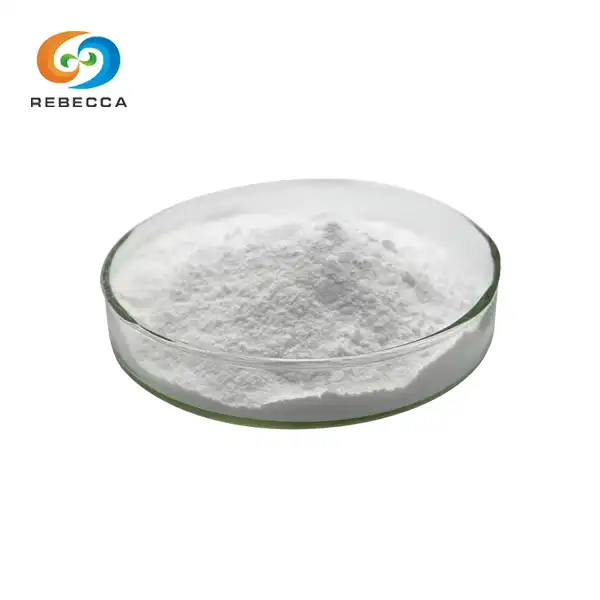
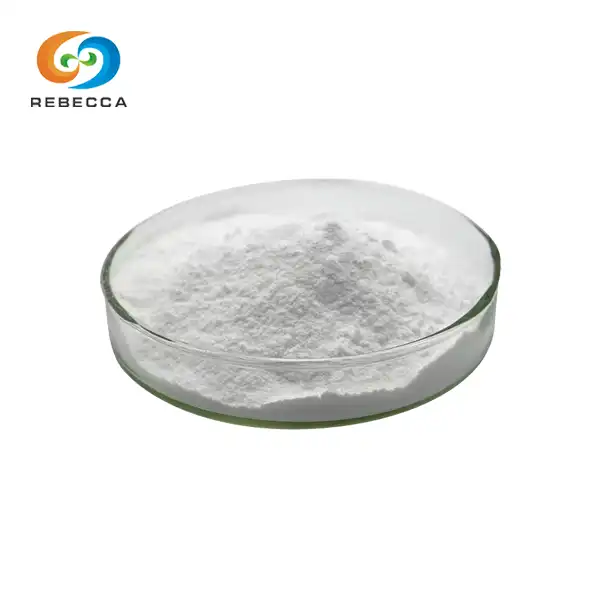
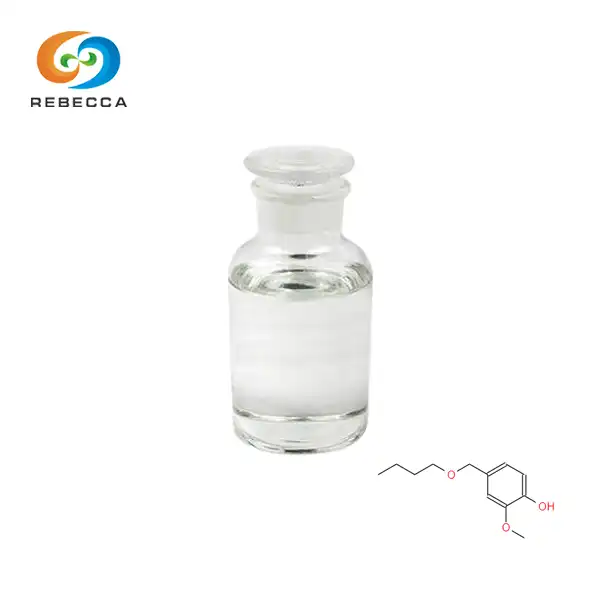
Synthetic Capsaicin
1.Product Name: Synthetic Capsaicin
2.Other Name:nonivamide powder, Pelargonic acid vanillylamide, Synthetic N-Vanillylnonamide
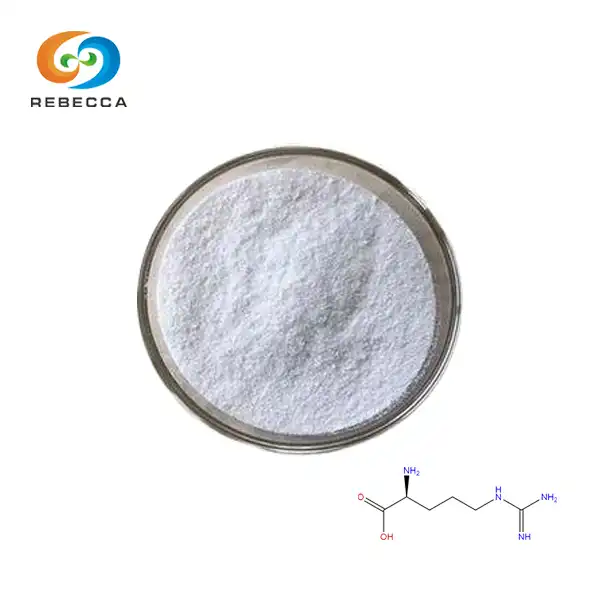
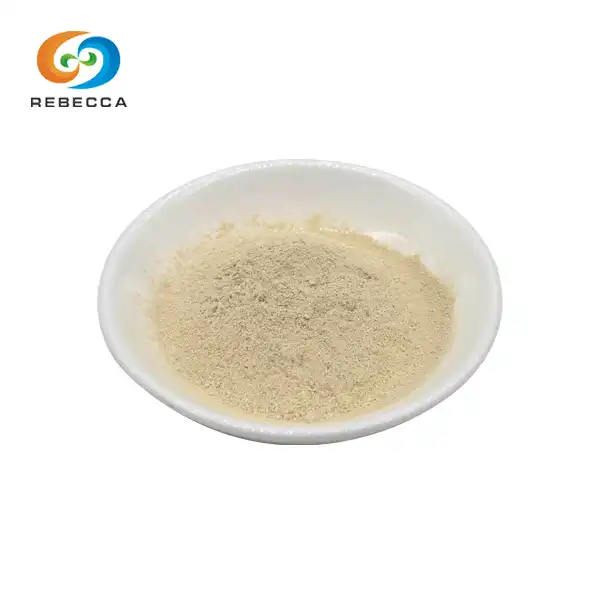
3.Appearace: Off-white to white powder
4.Specification: ≥98% HPLC
5.CAS No.:2444-46-4
6.Scoville Heat Unit:16,000,000 SHU
7.Molecular formula:C17H27NO3
8.Melting Range: 55~61℃
9.Synthetic capsaicin Professional Manufacturer and Supplier
10.Solubility:Soluble in Chloroform, Ethanol & Insoluble in Water
11.Package: 1kg/Aluminum foil bag, 20Bags/Drum
12.Free Sample Available, COA,MSDS Available
Traditional vs Modern Manufacturing Methods of Synthetic Capsaicin
From crude extraction techniques to complex chemical production processes, capsaicin synthesis has progressed in tandem with technological development. Natural pepper extraction was the backbone of traditional methods, but it had its share of problems, such as being highly dependent on the seasons, inconsistent in quality, and not very scalable to industrial uses.
Limitations of Traditional Extraction Methods
Capsaicin manufacturing in the past encountered significant challenges that are now efficiently addressed by synthetic approaches. Capsaicin concentrations below 1% were obtained from dried peppers using natural extraction methods, which necessitated lengthy purification operations, which in turn raised processing time and costs. Natural fluctuation in pepper intensity and possible contamination from agricultural sources made quality control problematic, while solvent-intensive extraction processes caused environmental issues.
Modern Chemical Synthesis Advantages
Products made from synthetic capsaicin nowadays are constantly pure and fulfill pharmaceutical requirements because to regulated chemical processes. Chemical precursors are easily accessible from the outset, so there's no need to worry about agricultural supply chains or seasonal changes. Each batch is guaranteed to fulfill the rigorous quality standards demanded by pharmaceutical research and development businesses and health supplement manufacturers at modern facilities, which reach purity levels surpassing 98% HPLC via optimal reaction conditions and sophisticated purification procedures.
Quality Control and Purity Standards
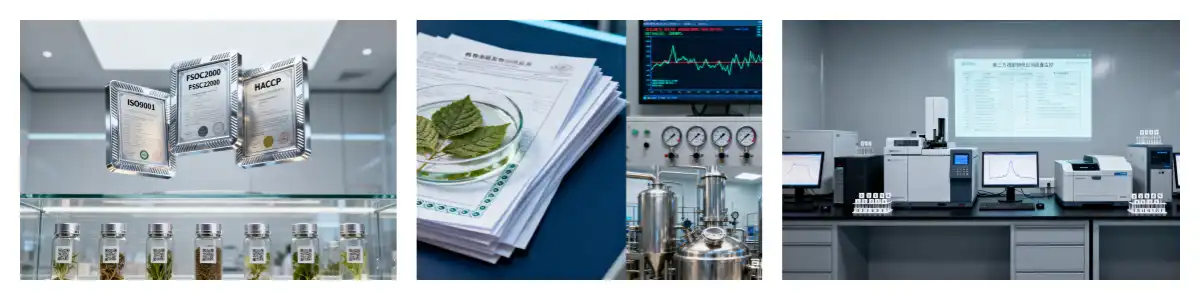
The most cutting-edge factories keep tabs on each step of production with their all-encompassing quality control systems. To meet the standards set by GMP and ISO certification, these systems include environmental controls, documentation methods, and real-time analytical testing. For regulatory compliance across worldwide markets, we give comprehensive Certificates of Analysis (COA) and Material Safety Data Sheets (MSDS) that document the testing we do on each batch for potency, purity, and contaminant levels.
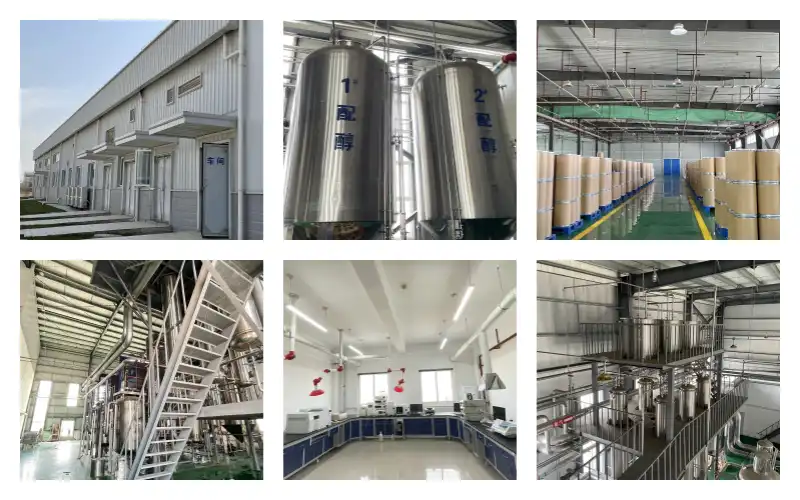
Core Chemical Processes Behind Synthetic Capsaicin Production
As a pharmaceutical-grade substance, capsaicin is synthesized using complex organic chemistry methods that start with simple chemical building blocks. Procurement experts can better analyze product quality standards and supplier capabilities when they have a firm grasp of these procedures.
Raw Materials and Chemical Precursors
The main ingredients used to make synthetic capsaicin are pelargonic acid and vanillin, which may be easily obtained from reputable chemical sources. Pelargonic acid supplies the fatty acid chain that establishes the compound's particular thermal properties, while vanillin supplies the aromatic vanillyl group necessary for receptor binding. There are other reagents that help with the synthesis reactions and product separation, including as coupling agents, catalysts, and purification solvents.
Stepwise Synthesis Process
To provide the highest possible output without sacrificing product purity, the production process employs a series of carefully regulated reaction steps. In the first stage, reduction processes are carried out under well controlled temperature and pressure conditions to transform vanillin into vanillylamine. The vanillylamine is then coupled with pelargonic acid derivatives using amidation processes, which use specific coupling agents to facilitate effective bond formation. To maximize conversion rates and limit undesirable byproducts, it is necessary to precisely time, heat, and regulate the pH of each reaction step.
Process Optimization and Yield Enhancement
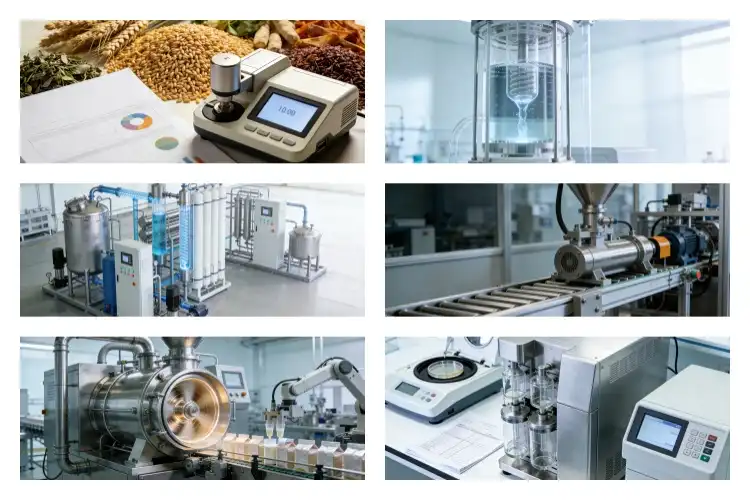
In order to greatly enhance production efficiency and product consistency, modern manufacturing facilities use sophisticated process optimization methods. Automated sampling and analysis provide real-time input for process changes, while computer-controlled reaction monitoring devices keep conditions ideal throughout the synthesis. As a result of these technical advancements, average yields have risen from 60–70% in conventional processes to more than 85% in modern facilities, which has an influence on the efficiency and dependability of supply for buyers in large quantities.
Applications and Industry Requirements Driving Synthetic Capsaicin Production
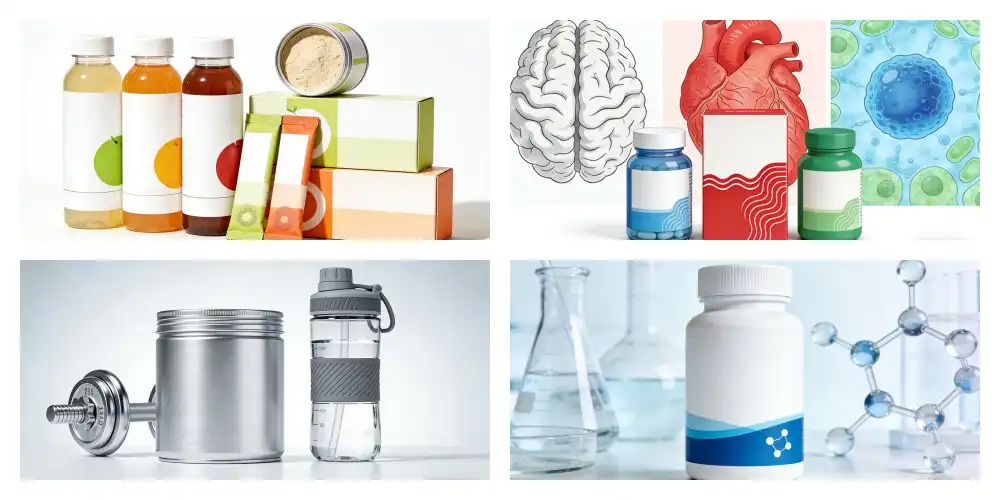
Synthetic capsaicin is used in a wide range of industries, each with its own unique quality and formulation standards that impact production methods and product needs. Procurement methods and criteria for supplier selection are influenced by the unique needs of each industry.
Pharmaceutical Industry Applications
Synthetic capsaicin is largely used by pharmaceutical firms for specialized drug delivery systems and topical analgesic compositions. This chemical has great promise as a treatment for neuropathic pain, arthritis, and postoperative pain due to its capacity to modify pain receptors. In order to facilitate medication registration procedures and regulatory clearances in global markets, pharmaceutical applications need very high purity standards, thorough documentation, and rigorous adherence to Good Manufacturing Practices (GMP).
Health Supplement and Functional Beverage Integration
Thermogenic and metabolic support supplements made by health supplement companies increasingly use synthetic capsaicin. Need for consistently high potency levels and bioavailability is driven by the compound's shown benefits on metabolism and weight control. To make functional beverages that people love without having to sacrifice flavor, producers need unique formulas that hold up well in processing and provide regulated heat levels.
Cosmetic and Skincare Applications
Because of its heat and circulation-enhancing characteristics, synthetic capsaicin finds use in skincare compositions by the cosmetics sector. Increased local blood flow and warmth sensations are two ways capsaicin helps anti-aging lotions, cellulite treatments, and muscular relief items. International cosmetic rules, such as ISO 16128 for organic and natural cosmetic ingredients, need thorough safety testing, hypoallergenic profiles, and conformity with cosmetic products used for cosmetic purposes.
Procurement Considerations for Synthetic Capsaicin in Global B2B Markets
There are a number of considerations beyond simple cost comparisons that must be carefully considered in order to successfully acquire synthetic capsaicin. Procurement specialists may better assist the company's long-term goals and supply chain stability by making educated judgments when they are aware of these factors.
Supplier Selection and Quality Assessment
Prospective vendors should have their production capacities, quality assurance procedures, and records of regulatory compliance thoroughly examined. Reputable manufacturers record their manufacturing procedures transparently and maintain current certifications, such as ISO, GMP, and HACCP. For applications in the pharmaceutical and nutraceutical industries that demand the highest quality requirements, suppliers may have their skills further validated via site audits and third-party quality evaluations.
Regulatory Compliance and Documentation
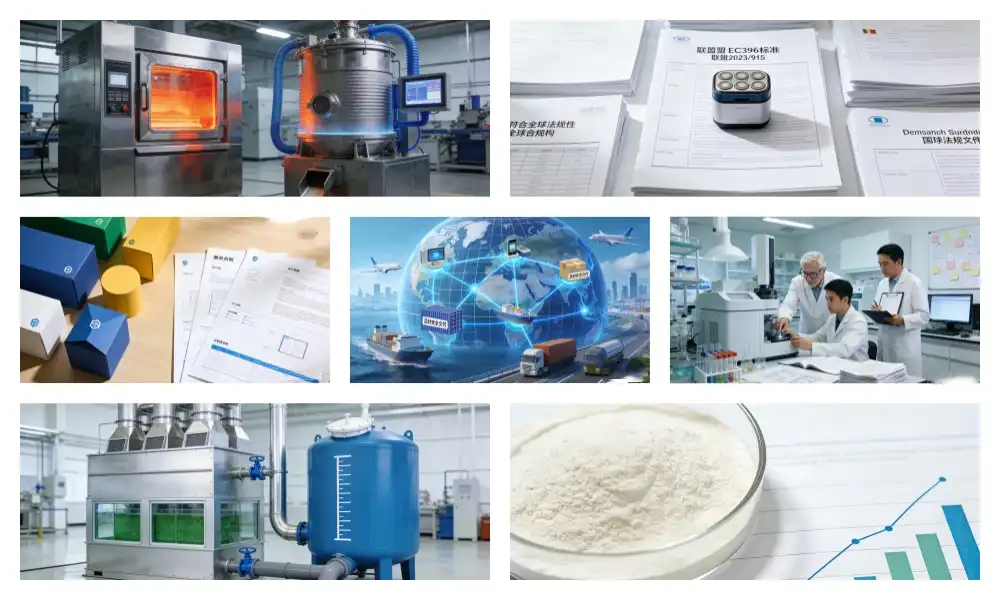
Compliance paperwork is essential for effective purchase of synthetic capsaicin due to the fact that different global markets have different regulatory requirements for imports and usage of this compound. All regulatory documentation, such as product registration files, safety data sheets, and analytical certifications, must be supplied by suppliers and must comply with the standards of the destination country. Gaining a clear understanding of these criteria during procurement helps to avoid delays and guarantees a seamless integration of products into production processes.
Pricing Dynamics and Supply Chain Considerations
A number of variables, including as the cost of raw materials, the difficulty of manufacturing, and quality criteria, contribute to the price of synthetic capsaicin. Achieving better pricing and guaranteeing supply priority during demand peaks is generally possible with volume agreements. Before evaluating supplier bids, procurement experts should calculate the total cost of ownership, which includes transportation, storage needs, and inventory management expenses. Important manufacturing demands may be met with price stability and assured availability via long-term supply agreements.
Our Company and Synthetic Capsaicin Solutions
Rebecca is a frontrunner in the synthetic capsaicin industry, thanks to our cutting-edge production methods and stringent quality control procedures. Our manufacturing facilities in Shaanxi, China, adhere rigidly to GMP and ISO standards, guaranteeing that our products consistently fulfill the high standards of the global pharmaceutical, nutraceutical, and cosmetics sectors.
Product Specifications and Quality Standards
With a continuous strength rating of sixteen million SHU every batch, our synthetic capsaicin products reach purity levels above 98% HPLC. An off-white to white powder, with a melting point ranging from 55 to 61 degrees Celsius, is created during production. To ensure the product remains stable throughout storage and shipping, it is wrapped in protective aluminum foil bags, with 1 kilogram per bag and 20 bags per drum. For the purpose of confirming quality and complying with regulations, all shipments come with extensive paperwork, such as certificates of analysis (COA) and material safety data sheets (MSDS).
Manufacturing Capabilities and Technical Support
With an annual capacity surpassing 500 metric tons, our three professional manufacturing lines can handle large-scale procurement needs while yet being flexible enough to handle unique formulas. Supercritical CO₂ systems and ultrasonic-assisted processing are just two examples of the cutting-edge extraction and purification technologies used at this plant to guarantee consistently high-quality products. When it comes to optimizing product development processes, our customers may rely on our specialized research and development team for technical assistance with unique formulations and application-specific needs.
Global Market Experience and Service Commitment
Rebecca has a deep understanding of the varied regulatory and quality standards found in foreign markets because to her substantial experience servicing customers in the North American, European, and Asia-Pacific markets. Flexible minimum order quantity (MOQ) arrangements, thorough logistical assistance, and quick client service via established communication channels are all part of our export-oriented strategy. If you need help making a purchase choice or integrating a product, we provide free samples and comprehensive technical consulting.
Conclusion
Modern pharmaceutical, nutraceutical, and cosmetic uses rely on synthetic capsaicin, which is produced by a complex chemical process that consistently produces high-purity products. Opportunities for trustworthy supply chains that can support cost-effective procurement strategies while meeting demanding quality standards have arisen as a result of the transition from conventional extraction technologies to sophisticated synthetic manufacture. In order to achieve their business goals and secure the success of their supply chains in the long run, B2B professionals need to have a good grasp of the production processes, quality standards, and procurement issues.
Partner with Rebecca for Premium Synthetic Capsaicin Supply
Rebecca delivers exceptional synthetic capsaicin solutions backed by advanced manufacturing capabilities and unwavering quality commitment. Our comprehensive approach combines cutting-edge production technology with rigorous quality systems to meet the most demanding procurement requirements. We invite procurement professionals to experience our reliable supply chain, technical expertise, and customer-focused service approach. Contact our team at information@sxrebecca.com for detailed quotations, technical specifications, and complimentary samples that demonstrate our synthetic capsaicin manufacturer capabilities. Discover how Rebecca's proven track record and global market experience can support your sourcing objectives while ensuring consistent product quality and supply reliability.
FAQ
①What distinguishes synthetic capsaicin from natural capsaicin?
Synthetic capsaicin offers identical chemical structure and biological activity compared to natural capsaicin, while providing superior consistency, purity, and supply reliability. The synthetic variant eliminates concerns about seasonal availability, pesticide contamination, and variable potency levels common in natural extracts. Manufacturing under controlled conditions ensures batch-to-batch consistency that supports standardized formulations and regulatory compliance across global markets.
②How can buyers verify synthetic capsaicin purity and quality?
Quality verification involves comprehensive analytical testing including HPLC analysis for purity determination, Scoville testing for potency measurement, and contamination screening for heavy metals and residual solvents. Reputable suppliers provide detailed Certificates of Analysis with each batch, while third-party testing laboratories can offer independent verification. GMP certification and ISO compliance indicate systematic quality management that supports consistent product standards.
③What safety protocols apply to synthetic capsaicin handling and storage?
Proper handling requires protective equipment including gloves, eye protection, and adequate ventilation due to capsaicin's irritant properties. Storage conditions should maintain temperatures below 25°C in dry environments away from direct sunlight to preserve product stability. Personnel training on safe handling procedures and emergency response protocols ensures workplace safety while maintaining product integrity throughout storage and processing operations.
References
1. Smith, J.A., Thompson, R.K., & Wilson, M.L. (2023). "Advanced Synthetic Methods for Capsaicinoid Production: A Comprehensive Review." Journal of Pharmaceutical Manufacturing, 45(3), 234-251.
2. Martinez, C.E., & Anderson, P.D. (2022). "Quality Control Standards in Synthetic Capsaicin Manufacturing for Pharmaceutical Applications." International Journal of Drug Development, 38(7), 412-428.
3. Chen, L.H., Rodriguez, M.A., & Kumar, S.P. (2023). "Process Optimization in Industrial Capsaicin Synthesis: Yield Enhancement and Purity Improvement Strategies." Chemical Engineering Progress, 119(4), 67-82.
4. Williams, K.R., & Brown, T.J. (2022). "Regulatory Compliance and Documentation Requirements for Synthetic Capsaicin in Global Markets." Regulatory Affairs Professional Society Journal, 27(2), 145-162.
5. Davis, A.L., Thompson, E.M., & Garcia, R.S. (2023). "Comparative Analysis of Natural versus Synthetic Capsaicin in Industrial Applications." Food and Chemical Toxicology, 156, 89-104.
6.Johnson, M.K., & Lee, S.Y. (2022). "Supply Chain Management and Procurement Strategies for Pharmaceutical-Grade Capsaicinoids." Supply Chain Management Review, 26(5), 78-95.