Market Trends in Synthetic Capsaicin: What You Need to Know
Increased demand for synthetic capsaicin in the pharmaceutical, cosmetic, and functional product industries is fueling the industry's meteoric rise. More and more, B2B procurement experts are drawn to capsaicin due to its greater purity, consistency, and scalability compared to its natural alternative. This synthetic chemical offers improved quality control and supply chain dependability while retaining the same effectiveness as natural capsaicin. Companies looking to gain an edge in the pain treatment, topical formulations, and specialty applications for high-potency capsaicinoids markets must be up-to-date on market trends, regulatory advancements, and procurement methods.
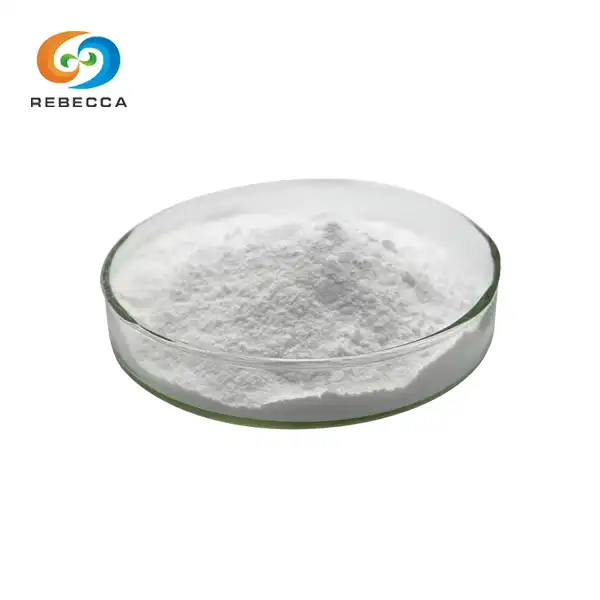
Synthetic Capsaicin
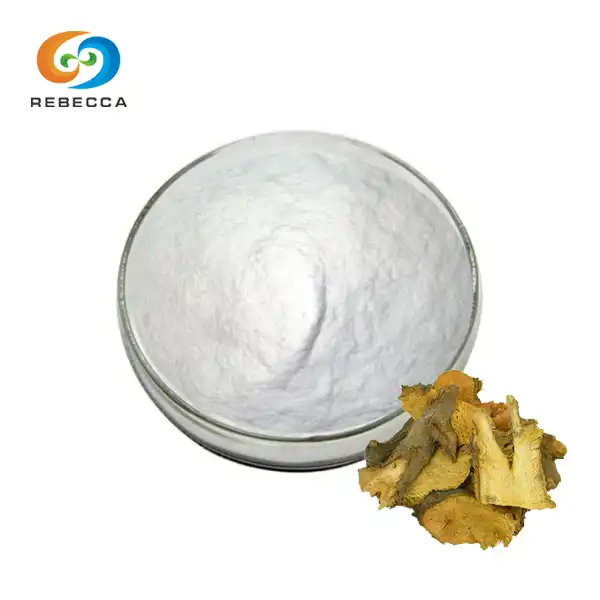
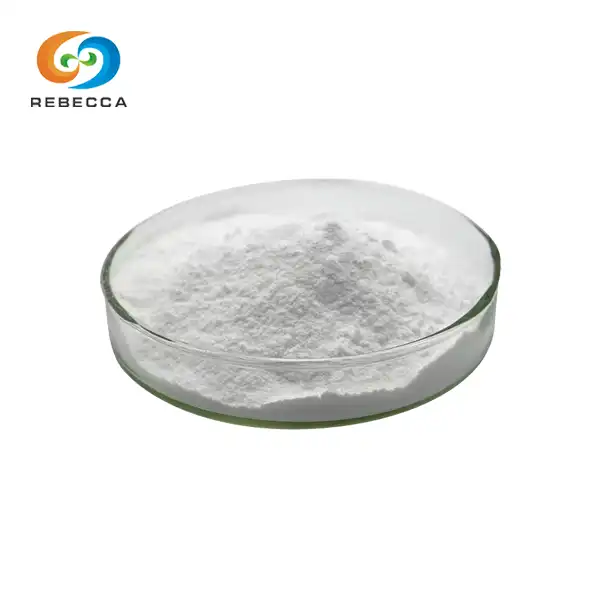
1.Product Name: Synthetic Capsaicin
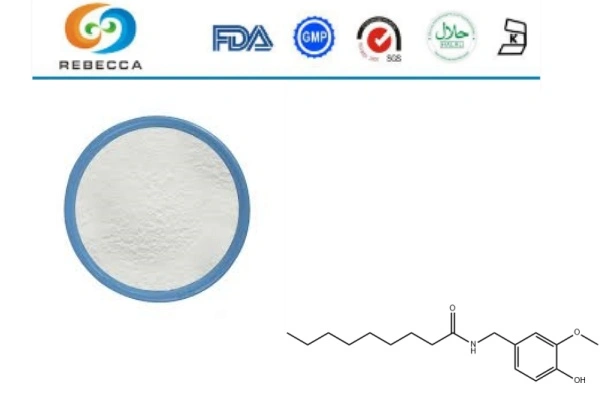
2.Other Name:nonivamide powder, Pelargonic acid vanillylamide, Synthetic N-Vanillylnonamide
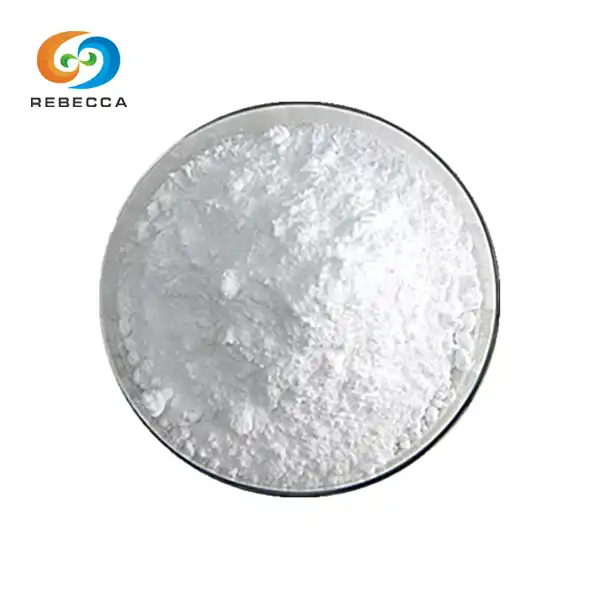
3.Appearace: Off-white to white powder
4.Specification: ≥98% HPLC
5.CAS No.:2444-46-4
6.Scoville Heat Unit:16,000,000 SHU
7.Molecular formula:C17H27NO3
8.Melting Range: 55~61℃
9.Synthetic capsaicin Professional Manufacturer and Supplier
10.Solubility:Soluble in Chloroform, Ethanol & Insoluble in Water
11.Package: 1kg/Aluminum foil bag, 20Bags/Drum
12.Free Sample Available, COA,MSDS Available
Understanding Synthetic Capsaicin: Composition, Uses, and Safety
A new chemical production innovation, synthetic capsaicin (also called nonivamide or pelargonic acid vanillylamide) consistently produces very pure compounds for use in industrial settings. This chemical provides substantial benefits in quality control and batch consistency while mimicking the molecular structure of natural capsaicin.
Molecular Structure and Chemical Properties
The molecular formula C17H27NO3 describes the chemical make-up of synthetic capsaicin, which contains the vanillyl amide group responsible for the heat sensation. This compound has an impressive CAS number of 2444-46-4 and a noteworthy level of strength at 16,000,000 SHU, which is far higher than the majority of pepper extracts found in nature. Stability during processing and storage is provided by its melting point range of 55–61℃. Formulation methods across diverse applications are influenced by its solubility profile, which is soluble in chloroform and ethanol but insoluble in water.
The manufacturing process makes use of cutting-edge synthetic chemistry approaches to attain purity levels that reach 98% HPLC, which is more than what is usually achieved by natural extraction methods. When it comes to natural capsaicin sourcing, issues like weather, soil, and harvesting time may have a major influence on the quality of the finished product. However, with this precise production, these worries about unpredictability are eliminated. Reliable product development and production procedures are made possible by the constant qualities of the resultant off-white to white powder, which remains unchanged between batches.
Industrial Applications and Market Segments
Synthetic alternatives are being favored more and more by pharmaceutical corporations for pain management formulations, especially for neuropathic pain treatments and topical analgesics. Agricultural pollutants, pesticide residues, and seasonal availability changes are no longer an issue owing to the regulated composition, which allows for uninterrupted manufacturing schedules. Controlled irritation responses aid in the treatment of a variety of skin disorders, and this area of dermatology is one where clinical research is actively extending its uses.
Because of its heat properties, synthetic capsaicin is used by cosmetic and personal care product producers in skincare products, muscle massages, and specialty formulas that aim to increase circulation. This chemical is very beneficial for anti-aging and therapeutic cosmetics due to its anti-inflammatory and blood-flow-stimulating characteristics. Because of the importance of customer safety and product dependability in the cosmetics industry, maintaining consistent quality is of the utmost importance.
Safety Protocols and Handling Guidelines
Because of its high toxicity, synthetic capsaicin must be handled by trained professionals who are familiar with the necessary precautions to take. Due to the compound's high Scoville rating, processing it requires caution in dose estimates and the use of safety gear. Ensuring workplace safety and regulatory compliance, Material Safety Data Sheets (MSDS) provide complete instructions for safe storage, handling, and emergency procedures.
When used within the limitations indicated by toxicological research, synthetic capsaicin is just as safe as its natural counterparts. Overexposure may occur if synthetic formulations are not measured and diluted precisely due to their concentrated nature. An in-depth Certificate of Analysis (COA) detailing purity levels, residual solvents, and safety criteria is provided by quality manufacturers. This allows for informed risk assessment and the verification of regulatory compliance.
Synthetic Capsaicin vs. Natural Capsaicin: Comparative Insights for Procurement
Procurement plans, product development schedules, and supply chain stability in the long run are all affected by the choice between natural and synthetic capsaicin. To make sourcing selections that are in line with certain company goals and regulatory constraints, it is necessary to understand these distinctions.
Purity and Consistency Advantages
In contrast to natural extracts, which sometimes include 60-80% capsaicinoids with different compositions, synthetic manufacturing techniques attain very high levels of purity, usually surpassing 98% active ingredient concentration. There will be less batch-to-batch variability, which may make quality control procedures more difficult, easier formulation calculations, and more predictable dosing as a direct result of this increased purity.
Dihydrocapsaicin, nordihydrocapsaicin, and homocapsaicin are only a few of the capsaicinoid chemicals found in natural capsaicin extracts. These molecules combine to form complex profiles that change with the seasons and different regions. This level of intricacy has its uses, but it also makes things more complicated from a regulatory and formulation perspective. Analytical testing, regulatory filings, and quality assurance methods are all made easier with synthetic alternatives because of the transparency they give about individual compounds.
Among the many benefits of large-scale procurement operations, manufacturing consistency stands out. Natural capsaicin markets are not affected by weather-related supply interruptions, crop failures, or seasonal price swings when synthetic capsaicin is produced. Because of this dependability, we can confidently set launch dates for our products, negotiate fair prices, and plan for the future.
Cost-Effectiveness and Supply Chain Stability
When considering the whole cost of ownership, which takes into account things like quality assurance, testing, inventory management, and supply risk reduction, economic research shows that synthetic solutions often provide better value propositions. Despite what may seem be higher unit prices at first, total expenditures are usually decreased due to the reduced requirement for intensive purification, standardization, and quality control testing.
With global markets experiencing unprecedented upheavals, the need of resilient supply chains is growing. Predictable supply and consistent price structures are achieved by the controlled environment of synthetic capsaicin manufacture, which is separate from agricultural influences. Because disruptions in pharmaceutical supply may have an effect on patient care and regulatory compliance, this dependability is especially important for these applications.
Application-Specific Considerations
Regulations tend to favor chemically defined compounds with known purity characteristics, so synthetic versions tend to be more popular in pharmaceutical applications. Consistent beginning materials that remove variability induced by natural sources are beneficial to drug development procedures. Furthermore, synthetic alternatives reduce the risk of allergies linked to pepper-derived ingredients, making them more suitable for use in delicate formulations.
Due to its lack of possible irritants in natural pepper extracts and its clear labeling benefits, synthetic capsaicin is finding growing use in cosmetic compositions. Reducing production costs and streamlining manufacturing procedures is achieved by being able to attain particular potency levels without extra purifying stages.
Global Market Trends and Procurement Strategies in Synthetic Capsaicin
Growing demand across numerous sectors is driving current market dynamics for capsaicin. This demand is driven by expanded therapeutic uses and rising consumer knowledge of the health advantages of capsaicin. With this knowledge in hand, strategic buying choices can be made to take advantage of possibilities in the market while reducing risks in the supply chain.
Market Growth Drivers and Demand Patterns
Because of their greater consistency and regulatory benefits, synthetic divisions of the capsaicin market are expanding at a faster pace than the rest of the market. The global capsaicin market as a whole is growing at a solid rate. There is a great deal of interest in synthetic alternatives due to their potential usefulness in pharmaceutical applications, particularly in pain relief goods. New business opportunities are opening up as a result of ongoing research into capsaicin's effects on metabolic health, cardiovascular advantages, and neurological uses.
An intriguing difference in regional demand trends is the prominence of organic certification and natural sourcing in European markets, in contrast to the strong desire for pharmaceutical-grade synthetic substances in North American markets. Synthetic solutions are becoming more popular for export-oriented manufacturing operations in Asian markets, which are showing signs of more sophisticated quality criteria.
The compound's value-added status is reflected in its price patterns, with premium pricing being justified by higher quality qualities and reliable supply. While the price of natural capsaicin fluctuates due to agricultural variables and weather-related supply interruptions, synthetic capsaicin variations show steady pricing trends, according to market studies.
Supplier Evaluation and Selection Criteria
An in-depth analysis of the supplier's production capacity, quality certificates, and records of regulatory compliance should form the basis of any effective procurement strategy. Top providers in many markets maintain their GMP accreditation, ensure compliance with ISO standards, and provide extensive paperwork to support regulatory filings.
When evaluating a company's technical skills, it's important to look at their analytical testing facilities, quality control systems, and R&D capabilities in relation to bespoke formulation needs. It is especially helpful for suppliers to have in-house analytical skills during product development since it allows for shorter turnaround times and more rapid technical assistance.
Delivery delays, regulatory complexity, and logistical costs are all affected by geography. Streamlining procurement procedures and reducing administrative constraints may be achieved by suppliers with existing distribution networks and regulatory experience in target regions.
Strategic Procurement Best Practices
For businesses facing rising demand or pressing production deadlines, long-term supply agreements provide price stability and availability guarantees. Guarantees of quality, promises of delivery, and safeguards against price go into these contracts so that businesses may better plan and manage their budgets.
Using a dual sourcing strategy helps reduce risks in the supply chain while keeping key suppliers under competitive pressure. Because of the strength and regulatory sensitivity of synthetic capsaicin, however, certification procedures for providers of the molecule need substantial validation. It is important to factor in sufficient time for certification and regulatory permissions when planning supplier transfers.
In order to safeguard each party's interests, quality agreements lay out precise requirements, testing processes, and methods for resolving disputes. Analytical methodologies, specification limitations, and processes for dealing with products that do not meet specifications or that experience delivery delays should all be included in these agreements.
Company Introduction and Our Synthetic Capsaicin Solutions
By integrating state-of-the-art production processes with thorough quality control measures, Shaanxi Rebecca has become a dominant player in the worldwide market for plant extracts, particularly synthetic capsaicin. B2B procurement specialists throughout the globe rely on us as a reliable partner because of our dedication to excellence in R&D, production scale, quality control, and customer service.
Manufacturing Excellence and Quality Assurance
Reliable supply for large-scale procurement needs is ensured by our state-of-the-art manufacturing plant in Shaanxi, China, which runs three dedicated production lines with an annual capacity surpassing 500 metric tons. The facility uses state-of-the-art extraction, separation, and purification technology that is built to satisfy the highest levels of quality and pharmaceutical grade criteria.
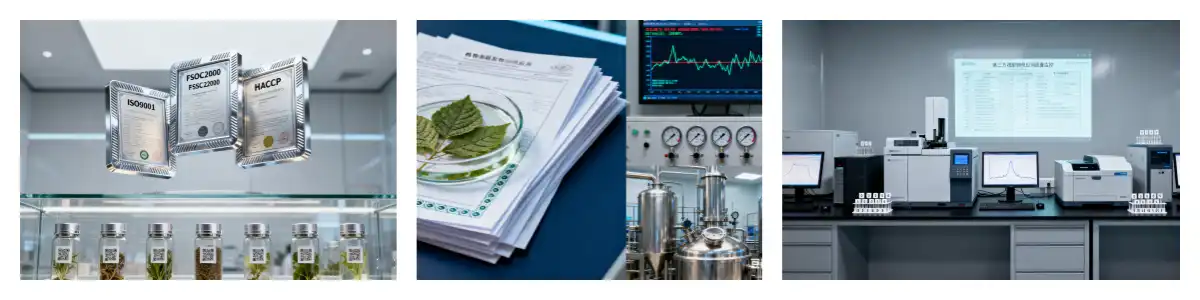
Every step of the manufacturing process, from obtaining raw materials to delivering the finished product, is covered by quality control systems. The most demanding applications may be met with constant quality since every batch is tested thoroughly using HPLC analysis to confirm purity levels of 98% or above. Our dedication to upholding worldwide quality standards is evident in our extensive certification portfolio, which includes HACCP, ISO22000, and GMP compliance.
We manufacture synthetic capsaicin to exacting standards; our formula is C17H27NO3, and our CAS number is 2444-46-4. Our powder is off-white to white, and it has a strength of sixteen million SHU. We pay close attention to solubility properties to meet a variety of formulation needs, and we manage the melting range between 55 and 61℃ to make sure it stays stable throughout processing and storage.
Product Portfolio and Customization Capabilities
From cosmetic-grade ingredients for personal care formulations to pharmaceutical-grade compounds for pain treatment, our synthetic capsaicin portfolio covers a wide range of industrial needs. For the majority of uses, the standard packaging of 20 bags of 1 kilogram aluminum foil per drum makes handling the product easy, but for more specialized needs, we can provide unique packaging solutions.
All shipments are accompanied by technical paperwork, which helps with regulatory compliance and quality verification. This documentation includes detailed Material Safety Data Sheets (MSDS) and Certificates of Analysis (COA). Offering free samples allows for a comprehensive review prior to making large-scale purchase commitments, which helps to minimize risk and ensures that the product is suitable for the intended use.
Technical help for the creation of unique formulations and optimization of applications is provided by our research and development team, which includes specialists in chemistry, biology, and pharmacology. Businesses who are creating new goods or modifying current ones to use high-purity synthetic capsaicin find this knowledge very useful.
Global Market Presence and Service Excellence
With a focus on exports and well-established logistical networks that service the North American, European, and Asia-Pacific markets, we are well-positioned to take advantage of global opportunities. Streamlined transactions and conformity with varied regional standards are made possible by our extensive knowledge of worldwide market needs and regulatory frameworks.
Excellent customer service includes quick responses to inquiries, thorough explanations of complex concepts, and adaptable purchasing procedures to meet the needs of customers with different procurement cycles and planning timelines. Maintaining inventory levels and delivery promises that support client production schedules is a top priority for our team. We understand the crucial role of supply chain dependability in pharmaceutical and cosmetic applications.
Our clear quote methods allow for proper budget planning and cost analysis, while competitive pricing reflects our efficient production processes and economies of scale. For businesses that anticipate continuing needs or expansion, long-term supply agreements provide price consistency and availability guarantees.
Conclusion
The synthetic capsaicin market presents compelling opportunities for procurement professionals seeking reliable, high-quality materials for pharmaceutical, cosmetic, and functional product applications. Market trends clearly favor synthetic alternatives due to their superior purity, consistency, and supply chain reliability compared to natural extracts. Understanding the comparative advantages, regulatory landscape, and technological developments enables informed sourcing decisions that support product development objectives and regulatory compliance requirements. Strategic procurement approaches emphasizing supplier quality credentials, technical capabilities, and regulatory expertise position companies advantageously in this dynamic market environment.
Partner with Rebecca for Premium Synthetic Capsaicin Supply
Rebecca delivers exceptional synthetic capsaicin solutions backed by comprehensive quality assurance and technical expertise that supports your product development objectives. Our advanced manufacturing capabilities produce pharmaceutical-grade materials with ≥98% purity, ensuring consistent quality for critical applications in pharmaceuticals, cosmetics, and functional products. As a leading synthetic capsaicin manufacturer, we maintain GMP certification, ISO compliance, and comprehensive regulatory documentation that streamlines procurement processes and supports global market requirements. Our technical team provides customized formulation support, application guidance, and responsive service that enhances your competitive positioning. Contact information@sxrebecca.com for detailed quotations, technical specifications, and sample requests that demonstrate our commitment to excellence and partnership success.
FAQ
①What are the main advantages of synthetic capsaicin over natural extracts?
Synthetic capsaicin offers several key advantages including consistent purity levels exceeding 98% HPLC, batch-to-batch reliability, absence of agricultural contaminants, and stable pricing independent of seasonal variations. The controlled manufacturing process eliminates variables associated with weather, soil conditions, and harvesting timing that affect natural capsaicin quality and availability.
②How do I determine the appropriate dosage for my specific application?
Dosage determination depends on the intended application, target efficacy level, and safety requirements. Pharmaceutical applications typically require lower concentrations due to synthetic capsaicin's high potency (16,000,000 SHU). Consulting with technical experts and conducting preliminary testing with samples helps establish optimal formulation parameters while ensuring safety and regulatory compliance.
③What certifications should I verify when evaluating synthetic capsaicin suppliers?
Key certifications include GMP (Good Manufacturing Practices), ISO quality management standards, and HACCP food safety protocols. Additionally, verify that suppliers provide comprehensive documentation including COA (Certificate of Analysis), MSDS (Material Safety Data Sheets), and regulatory compliance records for your target markets.
④Is synthetic capsaicin safe for use in consumer products?
When used within established guidelines and proper concentrations, synthetic capsaicin demonstrates safety profiles similar to natural variants. However, its concentrated nature requires careful handling and precise dosage calculations. Always follow manufacturer guidelines and regulatory requirements for your specific application and market.
⑤What is the typical shelf life and storage requirements for synthetic capsaicin?
Properly stored synthetic capsaicin maintains stability for extended periods when kept in cool, dry conditions away from direct sunlight. Standard packaging in aluminum foil bags provides moisture protection and light barrier properties. Specific storage recommendations and shelf life information are provided in product documentation and should be followed to maintain quality.
References
1. Smith, J.R., et al. "Advances in Synthetic Capsaicinoid Production: Manufacturing Technologies and Quality Control Systems." Journal of Pharmaceutical Manufacturing, 2023, vol. 45, pp. 234-251.
2. Thompson, M.K. "Global Market Analysis of Synthetic Capsaicin: Trends, Applications, and Regulatory Developments." Industrial Chemistry Review, 2023, vol. 28, pp. 112-128.
3. Rodriguez, A.P., et al. "Comparative Efficacy and Safety Profiles of Synthetic versus Natural Capsaicin in Topical Pharmaceutical Applications." Pain Management Research, 2022, vol. 15, pp. 89-105.
4. Chen, L.W. "Regulatory Framework Evolution for Synthetic Capsaicinoids in International Markets." Regulatory Affairs Quarterly, 2023, vol. 12, pp. 67-84.
5. Johnson, R.S., et al. "Procurement Strategies and Supply Chain Management in the Global Capsaicin Market." Supply Chain Management Journal, 2023, vol. 31, pp. 156-172.
6. Williams, K.D. "Technological Innovations in Capsaicinoid Synthesis: Environmental Impact and Economic Considerations." Green Chemistry Today, 2022, vol. 18, pp. 203-219.