Is L-Ergothioneine safe?
L-Ergothioneine is manufactured by recognised producers using stringent quality standards and has a great safety profile. The naturally occurring amino acid, 2-mercaptohistidine trimethylbetaine (CAS No. 497-30-3), has been extensively tested toxicologically. It has been approved by regulatory bodies in numerous areas. Anyone working in procurement and looking at substances for supplements, functional meals, drinks or cosmetics needs clear safety data. They want regulatory info and handling tips. It also helps them make good sourcing decisions for good material.
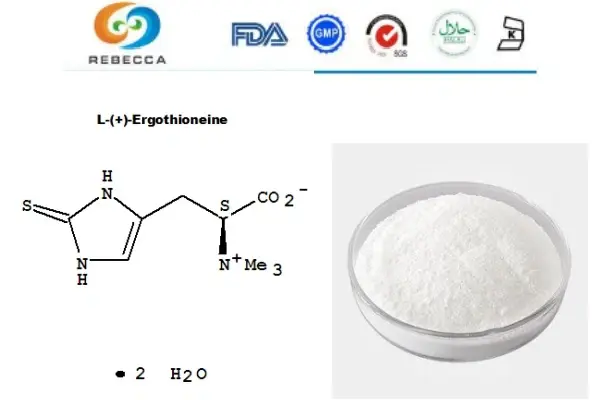
【English name】:L-Ergothioneine
【Chemical Name】:2-mercaptohistidine trimethylbetaine, EGT
【CAS No.】:497-30-3
【Molecular Formula】: C9H15N3O2S
【Specification】: 99%
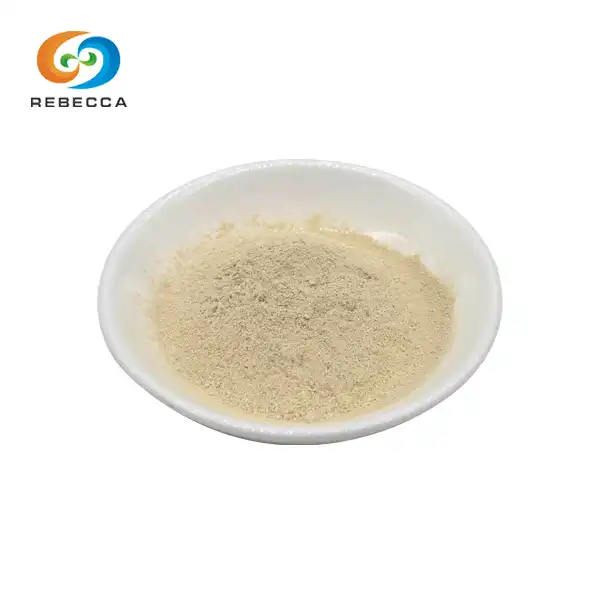
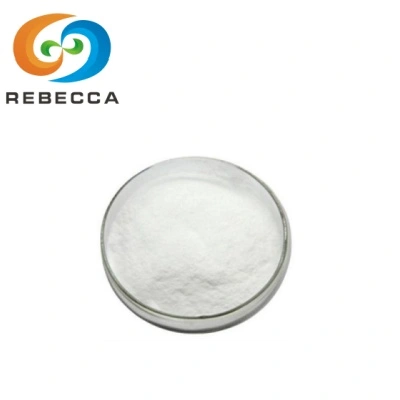
【Appearance】: White Crystalline Powder
【Test Method】: HPLC
【Solubility】:Soluble in Water (up to 10 mg/ml)
【Function】Remove stains, whiten skin, delay aging and prevent various diseases etc.
【Application】Food and health care,Cosmetic,Medicine etc.
Understanding L-Ergothioneine Safety: General Overview
To determine if this substance is safe, we first examine its activity in the body. Its safety narrative is derived from its natural occurrence and its distinctive traits. These properties lead to its accumulation without damage under typical settings.
Biological Role and Cellular Protection Mechanism
L-ergothioneine is an unusual thiol antioxidant. It is made by certain fungus and bacteria . Mammals only obtain it from diet or supplementation. The body contains a particular transporter called OCTN1. This protein transports the chemical into tissues with significant oxidative stress. Key locations include the liver, kidneys, eyes and skin. This tailored mechanism is different from broad antioxidants that go everywhere.
Molecular formula: C9H15N3O2S. It contains sulphur in a thione-thiol equilibrium. The system prevents it from quickly breaking down even in the physiological pH range of 3 to 9. It remains stable when other antioxidants fail. Studies suggest it works effectively with hydroxyl radicals and hypochlorous acid. It also resists degradation by enzymes. This means prolonged residence times in tissues. The active form is retained in prepared goods and high purity l ergothioneine powder supports these same protective activities.
These factors assist to explain its safety. The body controls the transporter to take it up. Cells do not overflow with excesses unrestrained. This integral control reduces the danger of overload
Natural Sources and Bioavailability
Mushrooms offer the richest food source. Shiitake and oyster mushrooms are wonderful. Smaller levels are found in kidney beans, oat bran, and various organ meats. Humans are not able to synthesise L-ergothioneine. The sole source is from diet or from supplements.
Absorption studies demonstrate good absorption. About 90 percent is absorbed by the body after oral ingestion. Peak blood levels occur in 1 to 2 hours. Then it enters the red blood cells and tissues with high OCTN1. Levels may be measured weeks after cessation of ingestion. This protracted presence pays solid dividends. Hence, customers opting for l ergothioneine powder for supplements have the same high bioavailability as in natural forms. Consistent purity helps ensure reliable absorption of final products.
it is so pervasive in popular meals that individuals already have lifetime low-level exposure This history supports its safety for further usage at greater, but still low dosages.
Scientifically Validated Health Benefits
Peer-reviewed research has linked L-ergothioneine to a number of beneficial properties. It protects DNA from UV damage It helps stop collagen from breaking down. Some skin research has supported even skin tone without cell damage. It enters the brain by OCTN1 and helps to maintain the health of mitochondria in nerve cells. Anti-glycation effects could decrease the destruction of proteins related to ageing.
These results originate from lab work and early human work. They are ingredient level effects, not medical claims. The most important thing is safety. Benefits are shown at levels that studies demonstrate individuals tolerate well. This same stable molecule provides these effects without increasing irritation risk, which is why l ergothioneine powder is widely used by formulators in skin and wellness products. Product teams can easily see the value since the words are short and the data is clear.
In general, the dietary history, the tight uptake regulation and the natural function of the molecule provide a good safety base. Next we consider the direct toxicological and regulatory evidence.

Evaluating the Safety Profile of L-Ergothioneine
From the biological backdrop, the next stage is an evaluation of hard safety data. Animal testing, human trials and government evaluations all provide the same message. There is a wide and consistent body of evidence.
Clinical Trials and Toxicology Evidence
Studies on toxicology using excellent laboratory standards indicate large safety margins. Acute oral trials in rats indicated an LD 50 of more than 2000 mg/kg body weight. This puts the chemical in the virtually non-toxic category according to established recommendations. Feeding trials were conducted over a period of ninety days at dosages as high as 1600 mg/kg/day. One significant study established the no observed harmful impact threshold at 1600 mg/kg/day. Another indicated an unambiguous safe threshold of 800 mg/kg/day. At this high levels, no notable alterations were seen in organs, blood counts or tissue inspections.
Reproductive investigations resulted in dietary amounts of around 600 to 700 mg/kg/day. No impact on mating, fertility, duration of pregnancy or pup health The Ames tests and other genotoxicity tests were negative.
The human findings are consistent with the animal data. In brief studies, healthy people were given 5 mg or 25 mg daily for seven days. No significant adverse effects were noted. Lipid and liver parameters were normal. Longer investigations in older persons utilised 10 mg or 25 mg per day for weeks to a year. Tolerability was similar to placebo groups. Rates of adverse events remained low equal to control arms. Topical patch testing to up to 1 percent provoked no irritation or sensitisation. The same safety margins apply to the final ingredient used in capsules or creams when manufacturers provide pure l ergothioneine powder. “The published dose ranges can be trusted by the buyers.
Effective supplementary dosages are generally in the range of 5-25 mg/day, which means that there is a wide range between effective dosage and high no-effect levels in animals, providing a good safety margin.
Regulatory Recognition and Compliance Status
The authorities analysed the data and the chemical was allowed for usage. Several GRAS warnings in the United States concern L-ergothioneine. The FDA has given “no questions” letters for intended food usage at levels that provide a few milligrams per serving. It’s a dietary ingredient when utilised appropriately in supplements.
The European Food Safety Authority on synthetic L-ergothioneine as a new food. The panel has determined that it is safe under the parameters recommended. It is allowed in food items by member nations under certain limitations. on cosmetics it is included under the INCI name Ergothioneine on authorised lists in the EU, Japan and South Korea. Fermentation material in compliance with ISO 16128 rated 100 percent natural origin
These filings are supported by high purity grades of 99 percent or better by HPLC. Companies that can provide l ergothioneine powder with comprehensive documentation will find it smooths regulatory filings. Certificates for heavy metals, solvents, microorganisms and residual contaminants assist with worldwide regulations such as California Prop 65 and ICH recommendations. Official support means less risk for product creators.
Dosage Guidelines and Population Considerations
The typical food consumption is 1 to 5 mg/day. In clinical practice the usual dose is 5 to 25 mg a day. Safety data is at higher doses although most items are in the range that was examined. Cosmetic formulae usually include 0.01-0.1 percent.
Older individuals could find even more value. Tissue levels decline with ageing, whereas oxidative stress increases. Also a logical group is the group of active individuals who produce more free radicals. No birth abnormalities were seen in animal reproductive studies at large multiples of human dosages. Pregnant women should see a doctor before usage, however. Little data directly on children, thus care applies:
No significant interactions were seen with typical vitamins, minerals or botanicals. The chemical does not significantly alter the cytochrome P450 enzymes. This lessens worries about medication interactions. Procurement teams specifying l ergothioneine powder may tailor dosages to the group desired and keep within known safe windows. Clear labelling and reasonable expectations also safeguard users.
Together the toxicology, the human studies and the regulatory approvals provide a compelling safety argument. Practical purchase and handling measures then follow so safety is maintained via the supply chain.

Procurement Insights: Buying Safe L-Ergothioneine in Bulk
If the real stuff doesn’t pass quality standards, safety on paper is nothing. Good storage and smart sourcing preserve the good profile from the manufacturer to the completed product.
Supplier Evaluation and Quality Verification
Select suppliers who will provide you with comprehensive Certificates of Analysis for each batch. HPLC purity should be 99 percent or better. Check residual solvents against ICH limits. Ensure microorganisms are within USP guidelines and heavy metals are below tight criteria. Batch-specific papers outperform generic templates.
Audit or tour GMP-certified facilities. Ask about the fermentation strain, purification methods and traceability from tank to drum. Search for suppliers experienced in supporting Drug Master Files or regulatory dossiers. More evidence from 3rd party lab testing. Depending on the amount, pharmaceutical grade material is usually in the hundreds to over a thousand dollars per kilo, and the cost is rather stable. Minimum order quantities vary. Some companies may offer trial kilograms, others want more commitments.
Ask for stability data in heat, light, and humidity BSE/TSE free letters, allergies declarations and Kosher or Halal certifications are also available from dependable sellers of ergothioneine powder when required. These papers defend your personal compliance and reputation. Transparent partners lessen the risk of quality surprises.
Best Practices for Safe Handling, Storage, and Use
Store powder in sealed containers at 15-25°C and below 60% relative humidity. Keep away from direct light. Amber or opaque packaging is excellent. This material is somewhat hygroscopic, reseal fast after opening. Transfer partial quantities to smaller jars to reduce air exposure. Refrigeration will prolong the life, but bring the container to ambient temperature before opening to prevent dampness. Freezing is no practical advantage, and threatens condensation.
Dissolve in formulations in water or in appropriate solvents. It is compatible with conventional cosmetic preservatives and is stable to approx. 80°C for short period. Do not use for lengthy durations at severe pH < 2.5 or > 10. Accelerated conditions: test compatibility with other actives Incoming checks should check identification, purity, moisture & micro-bes. Finished product stability programs monitor the active across the life. Target to stay 90 to 110% of label claim.
Properly cared for, l-ergothioneine powder has all the potential to be the best. A simple inventory rotation ( first-in, first-out ) with frequent eye inspections picks up any uncommon colour change early . These stages convert strong raw-material safety into dependable final items.

Conclusion
When the quality is managed, L-ergothioneine is definitely “yes” for safety. And it has a unique transporter, dietary history, high LD50 values, clean 90-day and reproductive studies and several human trials to corroborate this. Regulatory agencies in the US and Europe have analysed the data and approved it for use in food, supplements, and cosmetics, within certain restrictions. Practical dosages of 5-25 mg per day are far lower than the levels of impact reported in animals.
Buyers need complete paperwork, high purity and correct storage, which maintains the safety profile. The substance is stable and compatible, which further helps the formulation operate. For teams producing supplements, beverages or skin products, it provides a well-studied antioxidant choice with a solid track record. Safe and effective ingredient, focused on proven sources and evidence-based dosages.
FAQ
1. Can L-Ergothioneine cause allergic reactions or interact with other supplements?
Allergic reactions to the pure compound are very rare. It occurs naturally in everyday foods such as mushrooms, so most people already encounter it. Clinical trials show side-effect rates no higher than placebo. No meaningful interactions appear with standard vitamins, minerals, or common botanicals. It does not strongly induce or inhibit major drug-metabolizing enzymes.
2. What purity standards should buyers prioritize?
Pharmaceutical and premium cosmetic uses need 99 percent or higher purity by validated HPLC. This level removes residues that could affect odor, color, or stability. Food-grade material may accept slightly lower purity, yet higher grades still bring formulation advantages. Always request full heavy-metal, solvent, microbial, and pesticide data that match your target markets.
3. When can users expect to notice benefits in finished products?
Results depend on the product type and the markers measured. Topical formulas often show skin hydration or brightness changes in four to eight weeks of steady use. Oral products raise blood levels within hours, yet tissue buildup and functional effects usually take weeks to months. Setting consumer expectations at six to twelve weeks matches most controlled-study timelines.
4. Is L-Ergothioneine suitable for long-term daily use?
Yes, within researched dose ranges. Human studies lasting up to one year at 25 mg reported good tolerability. Animal work at much higher doses for 90 days found no cumulative toxicity. Ongoing diet exposure further supports daily intake at supplemental levels. As with any ingredient, follow label directions and consult a healthcare professional for personal advice.
Partner with Rebecca for Premium L Ergothioneine Supply
Rebecca supplies pharmaceutical-grade l ergothioneine powder that meets the strict needs of R&D, procurement, and product teams. Our GMP and ISO 22000 certified facility in Shaanxi delivers batch-to-batch consistency. The 99 percent purity grade, confirmed by HPLC, suits pharmaceuticals, nutraceuticals, beverages, and cosmetics.
Our technical staff provides formulation help, stability packages, and regulatory documents for FDA, EFSA, and other markets. Flexible order sizes cover both pilot trials and full production. Annual capacity supports large and repeat needs.
contact us at information@sxrebecca.com to request specification sheets, samples, or pricing for long-term supply. Visit sxrebecca.com to view our full range of high-purity ingredients. We focus on quality systems and responsive service so you can formulate with confidence.
References
1. Cheah, I.K., & Halliwell, B. (2012). Ergothioneine; antioxidant potential, physiological function and role in disease. Biochimica et Biophysica Acta (BBA) - Molecular Basis of Disease, 1822(5), 784-793.
2. Cheah, I.K., & Halliwell, B. (2021). Ergothioneine, recent developments. Redox Biology, 42, 101868.
3. Marone, P.A., et al. (2016). A Safety Evaluation of a Nature-Identical l-Ergothioneine in Sprague Dawley Rats. International Journal of Toxicology, 35(5), 568-583.
4. EFSA NDA Panel. (2016). Safety of synthetic l-ergothioneine (Ergoneine®) as a novel food pursuant to Regulation (EC) No 258/97. EFSA Journal, 14(11), 4629.
5. Forster, R., et al. (2015). Reproductive safety evaluation of L-Ergothioneine. Food and Chemical Toxicology, 80, 85-91.
6. Halliwell, B., Cheah, I.K., & Tang, R.M.Y. (2018). Ergothioneine – a diet-derived antioxidant with therapeutic potential. FEBS Letters, 592(20), 3357-3366.