Solubility Of L-Tryptophan Powder
l-tryptophan powder is an essential amino acid widely used in various industries, from pharmaceuticals to nutritional supplements. Understanding its solubility properties is crucial for researchers, manufacturers, and consumers alike. In this comprehensive guide, we'll explore the solubility of L-tryptophan, factors affecting its dissolution, and practical methods to enhance its solubility.
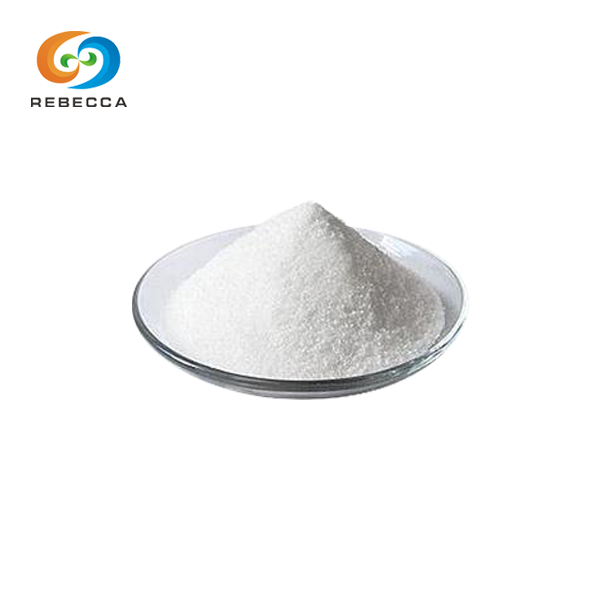
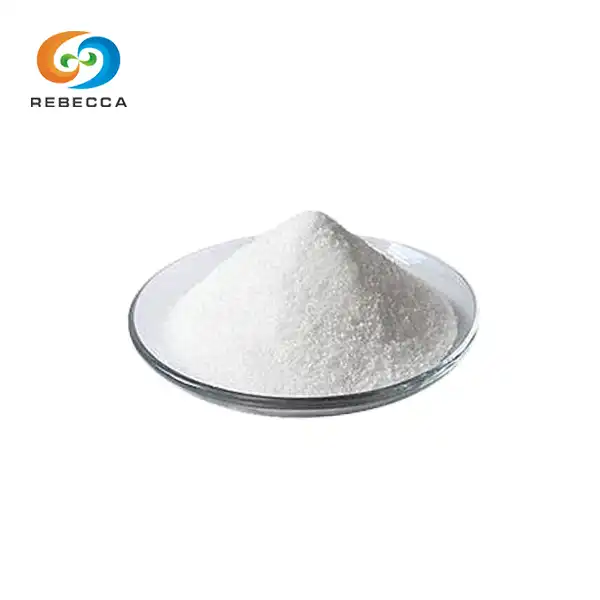
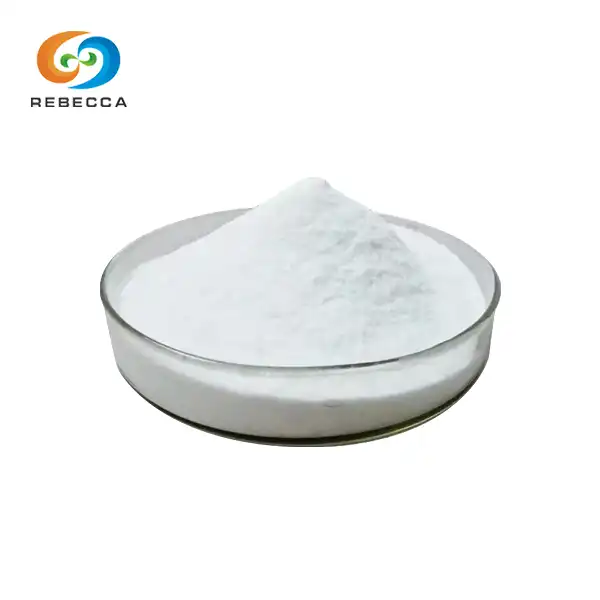
L Tryptophan Powder
Purity:≥98.5% L-Tryptophan
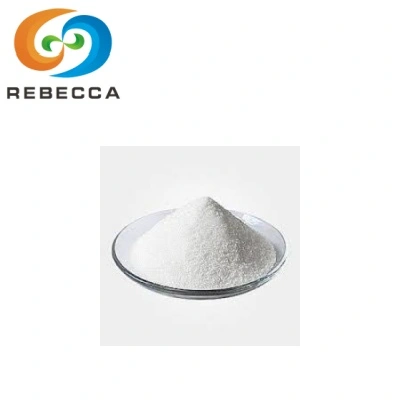
Appearance:White or Pale yellow crystal or crystalline powder
Flavor:Original Grade
Standard:USP/Feed/Industrial
Solubility in Common Solvents
L-tryptophan powder exhibits varying degrees of solubility in different solvents, which is essential knowledge for its proper handling and application. Let's examine its solubility characteristics in some common solvents:
1. Water: L-tryptophan is sparingly soluble in water at room temperature. Its solubility in water is approximately 11.4 g/L at 25°C (77°F). This moderate water solubility makes it suitable for various aqueous formulations, although it may require some effort to achieve complete dissolution.
2. Ethanol: It shows limited solubility in ethanol. It is less soluble in ethanol compared to water, with a solubility of about 0.8 g/L at room temperature.
3. Methanol: The solubility of L-tryptophan powder in methanol is slightly higher than in ethanol but still relatively low. It dissolves at approximately 2.5 g/L in methanol at room temperature.
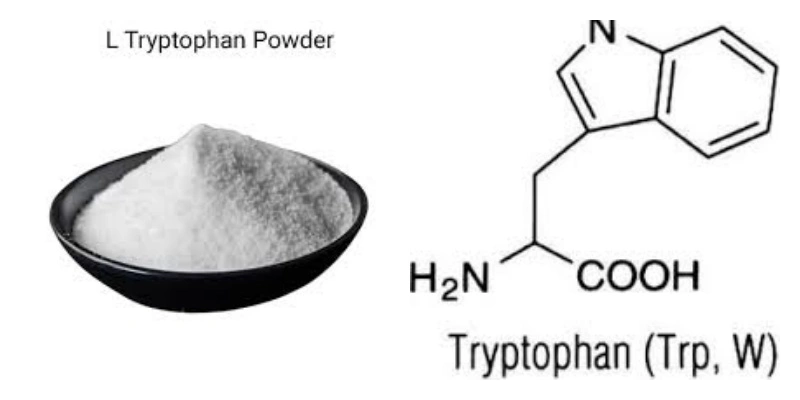
4. Acidic and Basic Solutions: L-tryptophan's solubility is pH-dependent. It becomes more soluble in acidic conditions (low pH) and less soluble in basic conditions (high pH). This property is due to its amphoteric nature, possessing both acidic and basic functional groups.
5. Dimethyl Sulfoxide (DMSO): L-tryptophan shows good solubility in DMSO, a polar aprotic solvent often used in laboratory settings. Its solubility in DMSO can reach up to 50 mg/mL, making it a preferred solvent for certain applications.
Understanding these solubility characteristics is crucial for effectively working with L-tryptophan powder in various applications, from pharmaceutical formulations to nutritional supplements.
Key Factors Affecting Solubility
Several factors can significantly influence the solubility of L-tryptophan powder. Being aware of these factors is essential for optimizing dissolution and ensuring consistent results in different applications. Let's explore the key factors affecting L-tryptophan solubility:
1. Temperature: As with most solutes, its solubility generally increases with temperature. Higher temperatures provide more energy for the solute molecules to overcome intermolecular forces and dissolve in the solvent. For instance, the solubility of L-tryptophan in water increases from 11.4 g/L at 25°C to 20.8 g/L at 100°C.
2. pH: The pH of the solution plays a crucial role in L-tryptophan solubility due to its amphoteric nature. At its isoelectric point (pI ≈ 5.89), L-tryptophan has the lowest solubility. As the pH moves away from the isoelectric point in either direction, solubility increases. This property is particularly important in biological systems and pharmaceutical formulations.
3. Particle Size: The particle size of L-tryptophan powder can significantly affect its dissolution rate and overall solubility. Smaller particles have a larger surface area-to-volume ratio, which increases the rate of dissolution. Micronization or nano-sizing techniques can be employed to enhance solubility, especially for poorly soluble forms of L-tryptophan.
4. Presence of Other Solutes: The presence of other compounds in the solution can affect its solubility. Some substances may enhance solubility through co-solvency or complexation, while others might decrease it through competition for solvent molecules or by altering the solution's properties.
5. Pressure: While less significant for liquids and solids, pressure can affect the solubility of L-tryptophan in certain situations, particularly when dealing with supercritical fluids or in high-pressure pharmaceutical processes.
6. Crystal Structure: The crystal structure of L-tryptophan can influence its solubility. Different polymorphs or crystal forms of L-tryptophan may exhibit varying solubility properties. This factor is particularly important in pharmaceutical applications where consistent bioavailability is crucial.
By understanding and controlling these factors, researchers and manufacturers can optimize the solubility of L-tryptophan powder for specific applications, ensuring better product performance and consistency.
Practical Methods to Improve Solubility
Enhancing the solubility of L-tryptophan powder can be crucial for many applications, from improving bioavailability in pharmaceuticals to increasing efficiency in industrial processes. Here are several practical methods to improve the solubility of L-tryptophan:
1. pH Adjustment: As mentioned earlier, L-tryptophan's solubility is pH-dependent. By adjusting the pH of the solution away from the isoelectric point, you can significantly increase solubility. For instance, using a buffer solution or adding small amounts of acid or base can help achieve optimal solubility for your specific application.
2. Temperature Modification: Increasing the temperature of the solvent can enhance L-tryptophan's solubility. However, it's important to consider its stability at elevated temperatures and the practical limitations of your application. In some cases, preparing a solution at a higher temperature and then cooling it to the desired temperature can result in a supersaturated solution with higher L-tryptophan concentration.
3. Co-solvency: Using a mixture of solvents can often improve the solubility of L-tryptophan powder. For example, a water-ethanol mixture might provide better solubility than either solvent alone. The choice of co-solvents depends on the specific application and regulatory considerations.
4. Surfactants: Adding surfactants to the solution can help improve the solubility of L-tryptophan, especially in aqueous systems. Surfactants can form micelles that encapsulate L-tryptophan molecules, effectively increasing their solubility in water.
5. Complexation: Forming complexes with cyclodextrins or other complexing agents can enhance the solubility of L-tryptophan. These complexes can shield the hydrophobic parts of the L-tryptophan molecule, making it more soluble in aqueous environments.
6. Particle Size Reduction: Reducing the particle size of L-tryptophan powder through techniques like micronization or nanonization can significantly improve its dissolution rate and apparent solubility. This approach is particularly useful for poorly soluble forms of L-tryptophan.
7. Solid Dispersions: Creating solid dispersions of L-tryptophan with hydrophilic carriers can improve its solubility and dissolution rate. This technique is often used in pharmaceutical formulations to enhance bioavailability.
8. Ultrasonic Agitation: Using ultrasonic waves to agitate the solution can help break up particle aggregates and speed up the dissolution process, effectively improving the solubility.
By employing these methods, either individually or in combination, you can significantly enhance the solubility of L-tryptophan powder. The choice of method depends on your specific application, regulatory requirements, and the desired outcome. Always consider the stability of L-tryptophan and any potential interactions with other components in your formulation when applying these solubility enhancement techniques.
FAQQ1: How does the purity of L-tryptophan powder affect its solubility?
A: The purity of L-tryptophan powder can significantly impact its solubility. Higher purity L-tryptophan (≥98.5%) generally exhibits better solubility characteristics compared to lower purity forms. Impurities can interfere with the dissolution process, potentially reducing overall solubility. Additionally, high-purity L-tryptophan ensures more consistent and predictable solubility behavior, which is crucial for precise formulations and applications.
Q2: Can the appearance of L-tryptophan powder indicate its solubility properties?
A: While the appearance alone cannot definitively determine solubility, it can provide some insights. L-tryptophan powder typically appears as white or pale yellow crystals or crystalline powder. A uniform, fine crystalline structure often indicates good potential for solubility, as smaller particles generally dissolve more readily. However, the true solubility properties are determined by various factors beyond just appearance, including purity, crystal form, and specific solvent interactions.
L-Tryptophan Powder For Sale
Understanding the solubility of L-tryptophan powder is crucial for its effective use in various applications. From its behavior in common solvents to the factors affecting its dissolution and practical methods for improving solubility, this knowledge empowers researchers, manufacturers, and consumers to optimize their use of this essential amino acid.
At Rebecca Bio-Tech, we offer high-quality L-tryptophan with the following specifications:
- Purity: ≥98.5% L-Tryptophan
- Appearance: White or Pale yellow crystal or crystalline powder
- Flavor: Original Grade
- Standard: USP/Feed/Industrial
Our L-tryptophan powder is suitable for a wide range of applications, from pharmaceutical formulations to nutritional supplements. We understand the importance of consistent quality and solubility in your products.
For more product information, to request samples, obtain detailed specifications, or discuss your custom requirements, please contact us at information@sxrebecca.com.
References
- Tsai, H. Y., et al. (2010). Journal of Chemical & Engineering Data, 55(11), 5414-5418.
- Mondelli, C., et al. (2013). Chemical Engineering Science, 95, 42-51.
- Thakuria, R., & Nangia, A. (2011). Crystal Growth & Design, 11(7), 2803-2816.
- Carta, R., & Tola, G. (1996). Journal of Chemical & Engineering Data, 41(3), 414-417.
- Golovanov, A. P., et al. (2004). Journal of the American Chemical Society, 126(29), 8933-8939.