What is aloin used for?
The natural ingredient business keeps growing thanks to amazing plant finds. Out of these, aloin stands out as a strong chemical that can be used in a wide range of situations. Aloin is a C-glycosidic product of anthraquinone that has a lot of uses in the cosmetics business. This yellow substance comes from aloe vera plants and has caught the attention of companies looking for effective plant-based solutions.
Knowing what aloin powder can do for businesses can change how they come up with new products. This naturally occurring material gives different products, like skin care products and food supplements, special qualities. Manufacturers are learning how versatile this chemical is as customer tastes change toward plant ingredients.
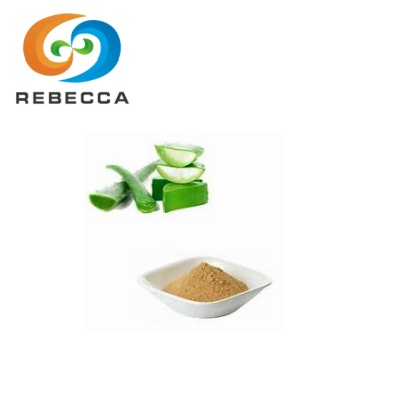
Aloin Powder
Product Name:Aloin Powder
Latin Name:Aloe vera (L.) Burm. f.
Active Ingredient:Aloin
Specification:10% 16%
Test Method:HPLC
Appearance:Light yellowish-green powder
Cas No.:5133-19-7;1415-73-2
Shelf Life: 2 years
Minimum Order Quantity: 1 kg
Samples: Free samples available
Certifications: GMP, ISO, HACCP, KOSHER, and HALAL.
Payment: Various payment methods accepted.
Advantages: Manufactured in a 100,000-grade cleanroom, our products are additive-free, non-GMO
Inner Package: Double PE Bags; Net 5kg/Bag
Outside Package: Paper Drums, Net 25kg/Drum
Storage:Store in a cool, dry place away from Light and Heat.
Understanding Aloin Powder and Its Natural Origins
In aloe species, there is a medicinal substance called aloin that is concentrated into aloin powder. Aloin, which is sometimes called barbaloin, is a bitter, yellow-brown chemical that has been found in the sap of at least 68 species of Aloe with amounts ranging from 0.1 to 6.6% of the leaf's dry weight. To keep the compound's good qualities, the extraction method needs to be done carefully.
Manufacturers get this chemical by using specific ways for extraction. Most of the time, aloin is made by extracting it from aloe latex, which is the bitter yellow fluid that comes out from under the skin of aloe leaves. The material is extracted, then dried and processed to make the final powder form. This change makes it easier to store, extends the shelf life, and makes it easier to add to different formulas.
There are two main types of aloin in its chemical makeup. These are called aloin A and aloin B. In natural products, these diastereomers can be found together. It's the main thing that makes the latex from Aloe vera L., which is also known as "Aloe" and "Ghritkumari." Quality control methods make sure that all batches have the same amount of strength, which is still important for companies that are making standardised goods.
Modern methods of extraction have made levels of purity much higher. Testing methods like HPLC give precise measurements, which lets companies sell goods that are exactly the same. This level of accuracy is very important when making supplements or makeup ingredients, where stability is key to making sure the product works and customers are happy.

Key Applications of Aloin Powder in Health Supplement Formulations
The food supplement business has adopted aloe powder for certain health reasons. This ingredient is added to pills, tablets, and dried mixes that are meant to help the body with different tasks. As a drug, it can fight tumours, reduce inflammation, stop osteoporosis, protect organs, kill viruses and microbes, get rid of parasites, and make you go to the toilet.
Digestive Health Support
A lot of vitamin mixes have aloin powder in them to help with gut health. Through gentle pressure, the substance helps the bowels work well. As a result, aloin makes the colon shrink more quickly and stops it from reabsorbing water from the digestive system. This makes the stools smoother. Because it does two things, it is especially useful in formulas that are meant to help with routine.
When this ingredient is added, formulators must carefully adjust the doses. The focus has a direct effect on how well it works and how the person feels about it. Manufacturers who are responsible give clear instructions on the right serving sizes to make sure that customers get the right amount of nutrients without taking in too much. Quality checking makes sure that the amounts listed on the labels are correct.
Antimicrobial Properties in Supplements
A lot of research has been done on aloin's antibacterial properties. Researchers are looking into its antibacterial activity, which suggests that it can stop the growth of different bacteria and fungus. This could make it useful for cleaning and protective purposes. In the lab, these traits look promising, but supplement companies use the ingredient for its general health benefits rather than for its specific antibacterial claims.
People who want plant-based options like that the chemical comes from nature. Aloin powder works well with manufacturing methods that focus on plant ingredients, which is useful for companies making "clean-label" goods. Product makers in the supplement sector are still interested in this area because it fits with market trends.
Formulation Considerations for B2B Buyers
Suppliers of ingredients offer a range of standards to meet the needs of different formulations. Standardised extracts usually have between 10% and 16% aloin, but higher amounts are available for certain uses. Above 90% aloin is usually used for more specialised tasks that need a higher concentration, like in some medicine products. The higher quantity makes it work better in some healing areas.
When making formulas, manufacturers should think about how well each part works with the others. The ingredient mixes well with a lot of popular fillers that are used to make supplements. Handling things correctly during production keeps them stable and makes sure the end product always gives the same results. The way something is stored is also very important for keeping its effectiveness over time.

Cosmetic and Personal Care Applications of Aloin Powder
The cosmetics business has seen that aloin powder can be used in skin care products. Aloe became a popular plant because it can be used in many different ways in the food, medicine, and beauty products businesses, which could lead to a profit. The ingredient is becoming more popular because it has special qualities that match the latest health trends that focus on natural ingredients.
Skin Brightening and UV Protection
Aloin is used in items that are meant to help even out skin tone. Because it whitens skin and protects against UV rays, aloin is a useful ingredient for skin care products. Because the chemical works on melanin-related processes, it could be used in cosmetics to help with colouring problems. Aloin is the main anthraquinone in AV, and it may help protect cells from UVA and UVB damage.
Cosmetic scientists like that the ingredient works well with other active ingredients in skin care products. It mixes easily into serums, creams, and lotions when it is made the right way. The powder form makes it easier to incorporate during production, which lets you measure accurately and make batches that are all the same. Manufacturers who are moving from small trial runs to large business amounts like how easy this system is to use.
Moisturizing and Soothing Formulations
Aloin powder is used for more than just whitening. It is also found in goods that focus on making skin feel better. In makeup, aloe vera juice is used to soothe, moisturise, and reduce inflammation. Because it has a lot of water in it, it soothes and hydrates skin that is itchy. Even though the gel and powder types are different, makers use the powder's ease of use while keeping the good qualities.
This ingredient works well in a variety of products, such as face masks, sleep treatments, and moisturisers that you use every day. Formulators change ratios based on the use and taste quality that is wanted. Testing makes sure that the product stays stable over its entire shelf life, taking into account things like storage temperature, packing, and how the ingredients might interact with each other.
Industry Trends and Market Opportunities
The Aloin (Barbaloin) market is steadily growing because more people are learning about its health benefits and it is being used in more medicines, cosmetics, and food supplements. Aloin is becoming more popular because it may help with pain, inflammation, and skin repair. This growth in the market opens up possibilities for both companies that sell ingredients and companies that make finished goods.
Manufacturers move toward clearly labelled, well-documented ingredients because customers want to know what's in their products. When suppliers give full scientific documents, such as certificates of analysis and safety data, they put themselves in a good situation. More people want natural and organic chemicals in personal care products, and plant treatments are becoming more common in regular medicine. This is good for the market.

Quality Standards and Specifications for Aloin Powder
When professional buyers are looking for plant products, they need specifics. There are different quality marks on aloin powder that show how well it works in different situations. Knowing these factors helps producers make smart choices about what to buy and makes sure that the finished goods meet the standards that were set.
Standardisation is usually based on the amount of aloin, which is tested with HPLC. Common standards include percentages of 10% and 16%, which gives formulators a lot of options. Higher purity types are used in specific situations where accurate dosing is very important. It should look like a light yellowish-green powder with certain qualities.
Getting certified shows that you care about quality and safety. Find providers that have been certified by GMP, ISO, HACCP, KOSHER, and HALAL. These certificates show that strict manufacturing standards and quality control procedures are followed. They also make it easier to get into markets in places where the rules are different.
Testing procedures check more than just the live content for quality issues. Testing for microbes makes sure that goods are safe for the purpose they were made for. Heavy metal covering keeps out pollution. Contents of moisture impact stability and shelf life. Suppliers who are responsible give full certificates of analysis that list all the test results that are important.
Storage tips keep the purity of the ingredients throughout the product's shelf life. Keep things from breaking down in cool, dry places away from direct light. Quality is kept up during shipping and storage with the right packing, which is usually two PE bags inside of paper drums. A shelf life of two years under the right conditions gives producers more options for managing their goods.

Manufacturing Advantages of Aloin Powder as an Ingredient
In manufacturing settings, powder formulas are clearly better than liquid extracts. Because it is concentrated, smaller amounts are needed to get the desired level of strength. This saves money on shipping and storage room. This speed is especially appealing to big makers who work with a lot of different types of ingredients.
The way things are handled has a big effect on how output runs. When kept in the right way,aloin powder ingredients usually work well with automatic pouring devices. They mix evenly with other dry ingredients, which helps keep quality similar from batch to batch. Not having any chemicals makes formulating easier and lowers the chance of compatibility problems.
Another big benefit is that it is stable. When powder is prepared and kept correctly, it stays active longer than many liquid extracts. Because the shelf life is longer, work schedules and store control are more flexible. Manufacturers can buy more to get better prices without having to worry about the quality going down quickly.
Being able to work in cleanrooms is very important for makers who care about quality. Facilities that are clean to the level of 100,000th can handle powdered products while keeping strict control over contamination. This feature makes sure that goods meet the highest quality standards that picky buyers and end users expect.

Selecting a Reliable Aloin Powder Supplier
Sourcing choices affect every part of the standard of the product and the success of the business. Manufacturers should look at more than just price when deciding which possible providers to work with. A good relationship needs technical know-how, quality processes, following the rules, and good customer service.
Look for providers who have quality control systems that have been around for a while and have the right certifications to show it. Manufacturing sites should show that they care about keeping things clean, controlling the process, and following the rules for tests. Formulation problems can be avoided and product quality is kept up by being able to provide uniform material across multiple sales.
Technical help is what sets great providers apart from average ones. Having access to staff who are aware about applications, rules, formulation problems, and aloin powder is very helpful. This knowledge helps makers improve formulas, fix problems, and keep up with changes in the business.
Businesses at different stages of growth can use order quantity flexibility. Instead of pushing people to buy too much merchandise, minimum order standards should be based on what is actually needed. Formulators can test materials before placing bigger orders when samples are available. This lowers risk and helps people make better decisions.

Aloin Powder Supplier: Rebecca Bio-Tech
Working with a provider with a lot of knowledge makes all the difference when quality and dependability are very important. Rebecca Bio-Tech is an expert at making high-quality aloin powder that meets the strict requirements of makers around the world. Our product has clear instructions, is tested thoroughly, and comes with lots of information to help you with composition and legal issues.
Our aloin powder comes from Aloe vera (L.) Burm. f. and has been standardised to have 10% or 16% active content. This has been checked by HPLC testing. The CAS No. 5133-19-7 or 1415-73-2 light yellowish-green powder is made in our 100,000-grade laboratory, which guarantees its high purity. With GMP, ISO, HACCP, KOSHER, and HALAL certifications, we keep a close eye on quality and give you the paperwork you need to follow all the rules around the world.
Before being released, each batch goes through a lot of tests. Our goods do not contain any additives or GMOs, which is in line with the current market trend toward "clean labels." You can plan your production more easily because the product can be kept for two years if it is kept in a cool, dry place away from light and heat. We store and ship our products in double PE bags that hold 5 kg of goods each, and outside in paper drums that hold 25 kg each. This keeps the products' structure while they're being shipped and stored.
Here at Rebecca Bio-Tech, we know that relationships are more than just providing ingredients. Our team has a lot of experience making plant extracts, doing research and development, and making useful chemicals for traditional Chinese herbal medicine. Our company is high-tech and focused on exporting. We provide high-quality natural plant extracts to customers around the world in the medicinal, health goods, drinks, and cosmetics industries. We have the size and skills to help your business grow. Our three production lines make more than 100 plant extracts each year, and we can process more than 500 metric tonnes of material each year.
We're ready to help you succeed whether you're making a new line of supplements, coming up with new ways to make cosmetics work, or adding to the products you already sell. We have flexible minimum order sizes that start at just 1 kg, and you can try free samples to see if you like what we do. International deals go quickly when there are several ways to pay. When you have a technical question, our team answers it quickly and gives you the help you need as the product is being made.
Are you ready to see what makes Rebecca Bio-Tech different? Get in touch with us right away at information@sxrebecca.com to talk about your needs, ask for samples, or place your order. Let us show you how finding the right partner for your ingredients can make your goods better and help your business grow faster. We're excited to become your go-to source for high-quality aloin powder and help you reach your goals in the market.
FAQ
1. What concentration of aloin powder is recommended for dietary supplement formulations?
The right proportion is based on the product and the rules of the target market. 10% to 16% aloin content is a common standard. This gives you the freedom to make pills, tablets, or powdered mixes. To find the best amounts for their goods, manufacturers should look at area legal standards and work with experienced formulators. Starting with lower concentrations and testing for stability makes sure that formulations are safe and work well.
2. How does aloin powder differ from aloe vera gel in cosmetic applications?
Aloin powder is a pure product of the aloin compound. Aloe vera gel, on the other hand, has many different parts, such as vitamins, minerals, and carbohydrates. The powder form is better for standardisation, shelf stability, and making things because it is easier to handle. Cosmetic formulators choose between these based on the properties they want. For example, aloe powder is good for uses that need specific benefits, like whitening the skin, while gel has more general moisturising properties. Both can be used in different ways in current cosmetics.
3. What certifications should I look for when sourcing aloin powder for commercial production?
Good Manufacturing Practices (GMP), ISO quality standards, and HACCP for food safety control are all important qualifications. KOSHER and HALAL approvals may also be important, depending on the people you want to buy from you. These qualifications show that the provider is dedicated to safety rules, quality control, and uniform production methods. Before making a big purchase, make sure you get up-to-date certificates and check with the organisations that issued them to make sure they are still good.
4. What is the typical shelf life of aloin powder, and how should it be stored?
When kept properly, high-quality aloin powder usually stays stable for two years. Keep away from direct light and heat and keep the items cool and dry. The item should be kept in its original package until it is time to use it. This is usually double PE bags inside protective drums. Changes in temperature and exposure to wetness can break down the active chemicals, so the best places to store them are those that are climate-controlled. Check the dates on everything and make sure that the items that come in are the ones that go out first.
5. Can aloin powder be used in both water-based and oil-based formulations?
Because aloin dissolves better in water, it is generally a good choice for water-based products. To get the right dispersion for oil-based goods, formulators may need to use certain methods or mix with solubilizers that work well together. Before adding the powder to emulsion systems, it can be mixed with a small amount of water or the right liquid. Working with skilled beauty scientists can help you find the best ways to mix different types of formulas and make sure that the end products are stable and effective.
References
1. Wikipedia Contributors. (2025). Aloin. Wikipedia.
2. ScienceDirect Topics. Aloin - an overview.
3. Yang, Y., Wu, J., Xia, J., Wan, Y., Ao, H., & Peng, C. (2022). Can aloin develop to medicines or healthcare products? Biomedicine & Pharmacotherapy, 153, 113401.
4. Sigma-Aldrich. Aloin Product Information.
5. National Center for Biotechnology Information. (2019). Dose-Dependent Effects of Aloin on the Intestinal Bacterial Community Structure. Frontiers in Microbiology.
6. NINGBO INNO PHARMCHEM CO., LTD. The Science Behind Aloin: Chemical Properties and Biological Activity.
 EXTRACT_1756803389333.jpg)