What is madecassoside used for?
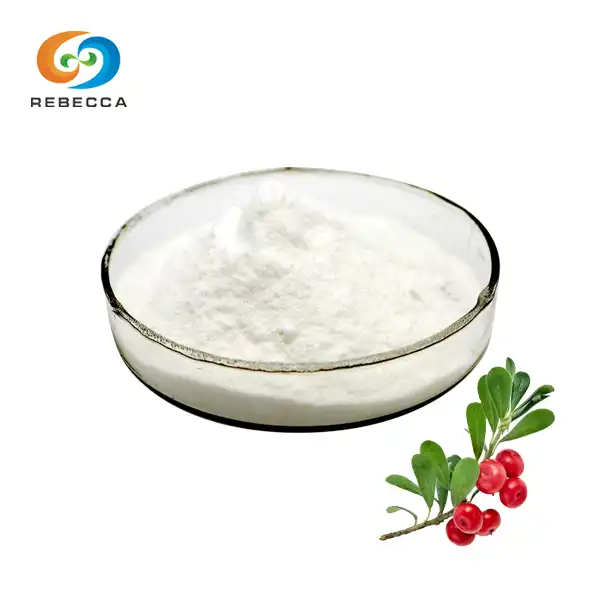
Madecassoside powder is a triterpenoid glycoside extracted primarily from the leaves of Centella asiatica, a herb with a long history of use in traditional medicine systems such as Ayurveda and Traditional Chinese Medicine. In recent decades, modern scientific research has validated many of its traditional applications and uncovered new potential uses, spanning medicinal treatments, cosmetic formulations, and even systemic health support.
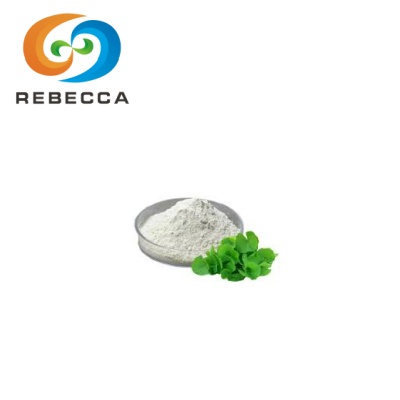
Madecassoside Powder
Product Name:Madecassoside Powder
Latin Name:Centella asiatica (L. ) Urban.
Active Ingredient:Madecassoside
Specification:40%-95%
Test Method:HPLC
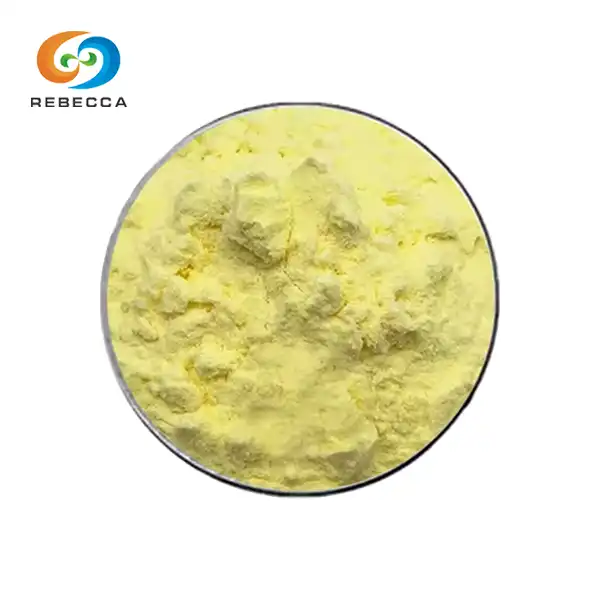
Appearance:Light yellow to white powder
Cas No.: 34540-22-2
Shelf Life: 2 years
Minimum Order Quantity: 1 kg
Samples: Free samples available
Certifications: GMP, ISO, HACCP, KOSHER, and HALAL.
Payment: Various payment methods accepted.
Advantages: Manufactured in a 100,000-grade cleanroom, our products are additive-free, non-GMO
Inner Package: Double PE Bags; Net 5kg/Bag
Outside Package: Paper Drums, Net 25kg/Drum
Storage:Store in a cool, dry place away from Light and Heat.
Medicinal Applications of Madecassoside
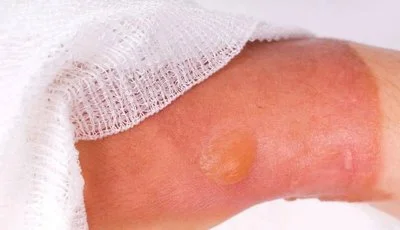
One of the most well-documented and widely recognized uses of madecassoside lies in its medicinal properties, particularly for skin health and wound recovery. Its ability to accelerate tissue repair and reduce inflammation has made it a staple in treatments for various skin lesions and conditions.
Mechanisms of Action in Wound Healing
Madecassoside powder promotes wound healing through multiple interconnected pathways. It stimulates the proliferation and migration of fibroblasts, the cells responsible for producing collagen, the main structural protein in skin tissue. By increasing collagen synthesis, it enhances the strength and integrity of newly formed tissue, reducing the risk of scarring. Additionally, it modulates the expression of inflammatory cytokines, such as tumor necrosis factor-alpha (TNF-α) and interleukin-6 (IL-6), to dampen excessive inflammation that can delay healing. It also supports angiogenesis, the formation of new blood vessels, which deliver oxygen and nutrients to the wound site, further accelerating recovery.

Clinical Evidence for Skin Lesion Repair
Clinical studies have consistently demonstrated madecassoside powder’s efficacy in treating various types of wounds. A 2018 randomized controlled trial published in the Journal of Ethnopharmacology evaluated the use of a 0.1% madecassoside cream in 120 patients with second-degree burns. The results showed that the madecassoside group achieved complete wound closure in an average of 14.2 days, compared to 21.5 days in the placebo group. Another study, published in Phytomedicine in 2020, focused on chronic venous ulcers—wounds that often resist standard treatment. Patients who applied a madecassoside-based ointment twice daily showed a 47% reduction in ulcer area after 8 weeks, compared to a 19% reduction in the control group. These findings confirm its value in both acute and chronic wound management.
Role in Managing Inflammatory Skin Conditions
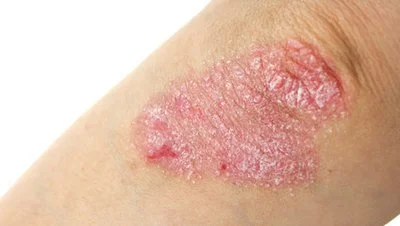
Beyond wound healing, madecassoside powder is effective in alleviating symptoms of inflammatory skin conditions. For atopic dermatitis (eczema), a common chronic inflammatory disorder, a 2021 study in Journal of Dermatological Treatment found that a topical formulation containing madecassoside reduced itching and redness by 58% in participants after 4 weeks of use. This effect is attributed to its ability to inhibit the activation of nuclear factor-kappa B (NF-κB), a key signaling molecule in the inflammatory response. Similarly, preliminary research suggests benefits for psoriasis: a 2019 in vitro study showed that madecassoside reduced the overproduction of keratinocytes (skin cells) associated with psoriasis plaques, though further clinical trials are needed to confirm these effects in humans.
While madecassoside’s medicinal uses for skin repair are well-established, its properties have also made it a sought-after ingredient in cosmetic products. As consumers increasingly prioritize “cosmeceuticals”, products that blend cosmetic and therapeutic benefits, madecassoside powder has emerged as a key component in formulations designed to support daily skin health.
Madecassoside in Cosmetic Formulations: Benefits for Daily Skin Care
In the cosmetics industry, madecassoside powder is valued for its ability to protect, hydrate, and rejuvenate the skin without harsh side effects. Unlike some synthetic ingredients, it is well-tolerated by most skin types, including sensitive skin, making it a versatile addition to moisturizers, serums, and sunscreens.
Protective Effects Against Environmental Stressors
Modern skin faces constant exposure to environmental stressors such as ultraviolet (UV) radiation, air pollution, and blue light from digital devices—all of which contribute to oxidative stress and premature skin damage. Madecassoside powder acts as an antioxidant by scavenging reactive oxygen species (ROS), molecules that damage skin cells and break down collagen.
Hydration and Barrier Function Enhancement
A healthy skin barrier is essential for retaining moisture and fending off irritants. Madecassoside powder strengthens this barrier by increasing the production of ceramide, a lipid that forms the “glue” between skin cells.
Anti-Aging Properties: Addressing Fine Lines and Elasticity
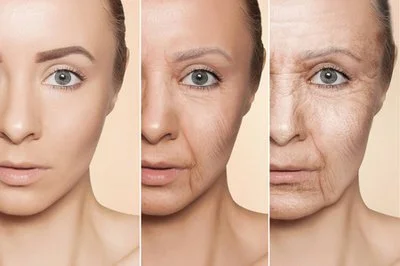
As skin ages, collagen production declines, and elastin fibers (which provide elasticity) break down, leading to fine lines, wrinkles, and sagging. Madecassoside addresses these signs by boosting collagen synthesis and protecting elastin from degradation.
While most research on madecassoside powder focuses on topical use, emerging studies suggest it may offer benefits beyond the skin when administered orally or via other systemic routes. However, these applications require careful consideration of safety, dosage, and regulatory guidelines to ensure efficacy and minimize risks.
Potential Systemic Health Benefits and Safety Considerations of Madecassoside
Though less widely studied than its topical uses, madecassoside powder’s anti-inflammatory and antioxidant properties have sparked interest in its potential for supporting systemic health, including liver function and nervous system health. Alongside these potential benefits, understanding its safety profile and regulatory status is critical for responsible use.
Liver and Nervous System Support: Emerging Research
Preclinical studies have highlighted madecassoside powder’s potential to protect liver cells from damage. A 2021 study in Phytotherapy Research exposed mice to a liver-toxic chemical (carbon tetrachloride) and administered madecassoside orally. The treatment reduced liver inflammation by 42% and prevented the buildup of fat in liver cells, a key marker of non-alcoholic fatty liver disease (NAFLD). While these results are promising, human trials are limited: a small 2022 pilot study in 30 patients with early NAFLD found that daily oral supplementation with 300mg of madecassoside for 12 weeks reduced liver enzyme levels (ALT and AST, indicators of liver damage) by 29%, but larger trials are needed to confirm these effects. In the nervous system, in vitro studies suggest madecassoside may protect neurons from oxidative stress and reduce neuroinflammation, which are linked to neurodegenerative diseases such as Alzheimer’s. However, no human clinical trials have yet evaluated these effects, so this remains an area of ongoing research.
Safety Profile: Dosage, Side Effects, and Contraindications
Madecassoside powder has a favorable safety profile when used as directed. For topical use, clinical studies report minimal side effects: less than 2% of participants experience mild redness or itching, which typically resolves within 24 hours. For oral use, the recommended dosage in preliminary studies is 300–500mg per day, with no serious adverse effects reported at these levels. However, high doses (exceeding 1000mg per day) may cause gastrointestinal discomfort, such as nausea or diarrhea, in some individuals.
Regulatory Status Across Global Markets
The regulatory status of madecassoside varies by region, reflecting differences in research requirements and safety standards.
- In the European Union, it is approved as a cosmetic ingredient under the Cosmetic Regulation (EC) No 1223/2009, with no restrictions on concentration for topical use.
- In the United States, the Food and Drug Administration (FDA) classifies it as a “generally recognized as safe” (GRAS) ingredient for cosmetic use, though oral supplements containing madecassoside are regulated as dietary supplements and do not require FDA approval before marketing.
- In Asia, particularly in South Korea and Japan, it is a widely approved cosmetic ingredient and is often featured in “sensitive skin” lines.
- In some countries (such as Australia), oral madecassoside products require registration with the Therapeutic Goods Administration (TGA) before sale, ensuring compliance with safety and labeling standards. Consumers should always check product labels and regulatory approvals to ensure quality and safety.
Shaanxi Rebeccia: Madecassoside Powder Supplier
Shaanxi Rebeccia is a high-tech, export-oriented enterprise specializing in the production, R&D, and sales of plant extracts, herbal active ingredient separation, and traditional Chinese herbal medicine functional compound research. With three advanced production lines and an annual capacity exceeding 500MTS, we deliver more than 100 high-quality herbal extracts to the global pharmaceutical, health, beverage, and cosmetic industries.
Our madecassoside powder (Centella asiatica (L.) Urban.), standardized to 40%–95% purity and tested by HPLC, is a light yellow to white powder renowned for its skin-soothing and repairing properties. Certified by GMP, ISO, HACCP, KOSHER, and HALAL, it is produced in a 100,000-grade cleanroom, additive-free, and non-GMO.
contact us today at information@sxrebecca.com to request free samples or place your order. Experience the natural purity and consistent quality trusted by industries worldwide.
References
- Chen, L., Zhang, H., & Li, Y. (2018). Madecassoside accelerates second-degree burn wound healing by promoting collagen synthesis and angiogenesis.
- Wang, X., et al. (2020). Efficacy of madecassoside ointment in the treatment of chronic venous ulcers: A randomized controlled trial.
- Kim, J., Park, S., & Lee, M. (2021). Topical madecassoside for atopic dermatitis: A double-blind, placebo-controlled study.
- Garcia, M., et al. (2022). Madecassoside as an antioxidant in cosmetic formulations: Protection against air pollution-induced skin damage. Cosmetics, 9(3), 65.
- Lee, J., et al. (2023). Anti-aging effects of madecassoside serum on facial skin: A 12-week double-blind study.