What is Reishi mushroom extract used for?
reishi mushroom extract derives from the fruiting body of the reishi fungus, also known as Ganoderma lucidum. For years, traditional Chinese medicine has utilized it as a "longevity" fungus. Today, it may be found in a lot of current items all around the globe.
Because of this, you can now get reishi extract in more than just herbal stores. It is currently a common element in nutritional supplements, functional drinks, gummies, ready-to-drink coffee, nutrition bars, and even skin care. Global demand is expanding, and customers hunt for high-quality, reliable, and well-tested extracts that may readily fit into diverse completed goods.
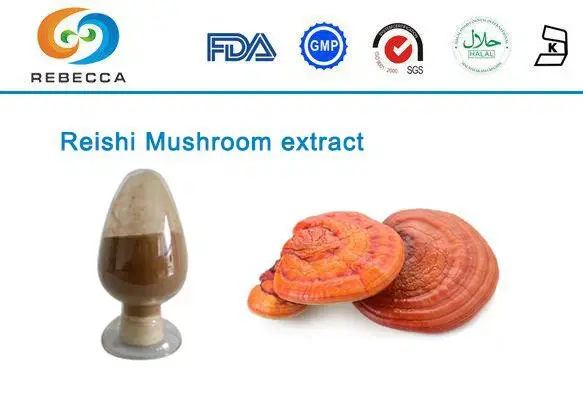
Natural Reishi Mushroom Extract
Product Name: Reishi Mushroom Extract
CAS No.: 173075-45-1
Specification: Ganoderma Triterpenes , 1%&1.6%, UV.
Test Method: UV
Latin Name: Ganoderma Triterpenes
How Is Reishi Mushroom Extract Used in Modern Finished Products?
From an application perspective, the question “What is reishi mushroom extract used for?” is really a question about finished formulations. Brand teams want to know where this ingredient fits, how it behaves in formulas, and what claims are supported by science and tradition. Below are the main product categories where reishi extract is used today.
Dietary Supplements and Capsules
The most common use of reishi mushroom extract is in dietary supplements. Capsules and tablets based on standardized extracts are widely sold on e commerce platforms, in pharmacies, and in health food stores. Brands choose extracts because they offer:
· More consistent levels of ganoderma triterpenes compared with raw powder.
· Smaller serving sizes and better dosage control.
· Cleaner labels with clear standardization, for example 1% or 1.6% triterpenes.
These supplements are usually positioned for immune health, stress support, sleep quality, and general wellness. While reishi has a long history of use, responsible brands follow regulatory rules and avoid disease claims. Instead, they talk about supporting the immune system, maintaining balance, and helping the body respond to occasional stress.
Functional Beverages and Coffee Products
Another fast growing application for reishi mushroom extract is functional beverages. You can now find reishi in instant coffees, mushroom lattes, stick packs, liquid shots, and herbal drink blends. Many consumers prefer to drink their supplements rather than swallow a pill.
Reishi has a naturally bitter taste. That bitterness comes mainly from the triterpenes, the same compounds that make the extract valuable. Product developers manage this through:
· Careful dosage levels to balance efficacy with flavor.
· Combination with cocoa, coffee, spices, or vanilla to mask bitterness.
· Using sweeteners or creamy bases to round out the taste profile.
Many brands position reishi beverages as evening drinks to wind down and support relaxation, or as daily tonic drinks for defense and vitality. Stable, well characterized extracts work better here because they give consistent performance during processing and shelf life.

Gummies, Softgels, and Novel Delivery Forms
With the rise of “fun” formats, reishi mushroom extract has also moved into gummies, softgels, and even jelly sticks. Consumers enjoy these formats, but they are technically more challenging. Heat, moisture, and process conditions may degrade sensitive components.
That is why formulators prefer standardized extracts with defined specifications and robust testing data. Extracts measured by UV for ganoderma triterpenes, at known levels such as 1% or 1.6%, help formulators design reliable dosing and quality checks. When a supplier can provide both technical support and documentation, it reduces risk during scale up.
Skincare and Cosmetic Products
Reishi is no longer only an oral supplement. Cosmetic brands include reishi mushroom extract in serums, creams, masks, and lotions. They often highlight antioxidant properties, skin barrier support, and soothing benefits.
Research suggests that reishi’s triterpenes and polysaccharides may help protect skin against oxidative stress and support a healthy appearance. Although data is still growing, this aligns with the traditional positioning of reishi as a tonic for vitality and longevity.
Cosmetics demand extremely stable, clean ingredients and tight quality control. A supplier who understands both nutraceutical and cosmetic requirements, and who can provide consistent batches and full documentation, helps brands meet stringent safety and regulatory standards.
Food, Snacks, and Nutrition Bars
Some brands incorporate reishi mushroom extract into snacks, nutrition bars, and even functional chocolates. These innovative products aim to offer daily support in an enjoyable way. Because food matrices can be complex, the extract has to be compatible with fats, carbohydrates, and proteins and must handle processes such as baking or extrusion.
Here, technical collaboration with the extract supplier becomes important. It is not just about buying a powder. The brand needs guidance on dispersion, taste, and stability in real processing and storage conditions.
Evidence Based Benefits
Buyers visiting a supplier’s website often move from curiosity to serious comparison. They first read about reishi mushroom extract’s benefits. Then they check if the supplier’s product has the right active compounds, testing methods, and support to match their own brand positioning.
Modern reishi extracts usually focus on two main groups of compounds: triterpenes (often called ganoderma triterpenes) and polysaccharides. The product details you shared emphasize ganoderma triterpenes, measured by UV at 1% and 1.6%. Triterpenes are associated with many of the traditional uses of reishi.
Studies have explored how these compounds may:
· Modulate immune responses and immune cell activity.
· Act as antioxidants to neutralize free radicals.
· Support a healthy inflammatory response.
· Promote balance in stress and sleep patterns.
While research is promising, reishi is not a drug. Responsible communication focuses on support and balance, not cure or treatment. Brands that respect this line protect both their customers and their reputation.
What Evidence Says About Reishi’s Uses
Human and animal studies, as well as in vitro research, have reported several potential applications for reishi mushroom extract. Published data suggest:
· Reishi may support immune function by influencing natural killer cells, T cells, and other immune pathways.
· Antioxidant and hepatoprotective activity has been observed in some experimental models, which supports traditional use for liver health.
· Some clinical studies point to benefits in quality of life, fatigue, and well being in certain populations, although sample sizes are often modest.
Because of this evidence, reishi mushroom extract has become a core ingredient in immune support formulas, adaptogenic blends, and “stress and sleep” complexes. Buyers often combine reishi with other functional mushrooms, such as cordyceps or lion’s mane, or with herbs like ashwagandha and rhodiola.
Critical Quality Factors for Buyers
When buyers hesitate before sending an inquiry, they usually have the same core questions: Is this supplier reliable? Is the quality consistent? Will this extract work in my product and pass my audits? To move from hesitation to trust, they look for clear answers to several points.
First, they check standardization. Reishi mushroom extract should specify active markers, such as ganoderma triterpenes, and clearly state content, for example 1% or 1.6% by UV. Transparent specifications show that the supplier understands what the market expects.
Second, they look at testing methods and documentation. UV testing for triterpenes is a common and accepted method for many plant extracts. In addition, responsible suppliers provide full COAs, heavy metal data, microbiological tests, and solvent residue reports where applicable. These documents matter if the buyer wants to sell into regulated markets like the EU or North America.
Third, production capacity and experience matter. Serious brands need steady supply over the long term. A supplier with multiple production lines and significant annual capacity offers more security than a very small factory. It lowers the risk of stockouts, batch variation, or sudden price spikes.
Finally, buyers pay attention to service: technical support, R&D experience, and the ability to develop custom solutions. A supplier who understands plant extract science and practical formulation challenges will help a brand save both time and cost.
Reishi mushroom extract Supplier: Rebecca Bio-Tech
For buyers who are ready to move from research to real sourcing, the details of the ingredient itself become decisive. Rebecca Bio-Tech offers a dedicated reishi mushroom extract based on Ganoderma lucidium with a clear and practical specification. The product focuses on ganoderma triterpenes, which are standardized at 1% and 1.6%, tested by UV. This level of standardization supports consistent dosing in capsules, tablets, functional beverages, and even cosmetic formulations, while the UV method provides a reliable and widely recognized approach for routine quality control.
Behind this single ingredient stands Shaanxi Rebeccia, which specializes in the production, research and development, and sales of plant extracts and separated herbal active ingredients, as well as the study of functional traditional Chinese herbal compound formulas. As a high tech export oriented company, we serve brand owners and manufacturers in the pharmaceutical, health products, beverage, and cosmetic industries worldwide. Our three production lines, more than 100 plant extract varieties, and annual capacity of over 500 metric tons give buyers the supply security and flexibility that large and growing brands require.
If you are exploring reishi based supplements, functional drinks, or cosmetic concepts and need a dependable, professional source of Ganoderma triterpene extract, you are welcome to contact us directly at information@sxrebecca.com. We respond to detailed inquiries, sample requests, and project discussions, and we are ready to help you turn consumer interest in reishi into stable, high quality finished products.
References
· Wasser, S.P. Medicinal mushrooms as a source of antitumor and immunomodulating polysaccharides. Appl Microbiol Biotechnol. 2002.
· Ahmad, M.F. Ganoderma lucidum: A reasonable candidate for the modulation of neurodegenerative diseases. Nutrients. 2018.
· Paterson, R.R.M. Ganoderma – A therapeutic fungal biofactory. Phytochemistry. 2006.
· Examine.com. Reishi Mushroom (Ganoderma lucidum) overview and human effect matrix.
· WebMD. Reishi Mushroom: Uses, Side Effects, and More.