What is synthetic capsaicin?
ynthetic capsaicin, known in the industry as nonivamide powder (CAS 2444-46-4), is a man-made chemical that mimics the hot ingredient in chili peppers. It is a popular option for pharmaceuticals, topical pain relievers, food flavorings and brain research since it is pure, dependable and cheaper than plant-derived alternatives. In this course you will learn what it is, how it is used, how to handle it correctly and how to get it reliably.
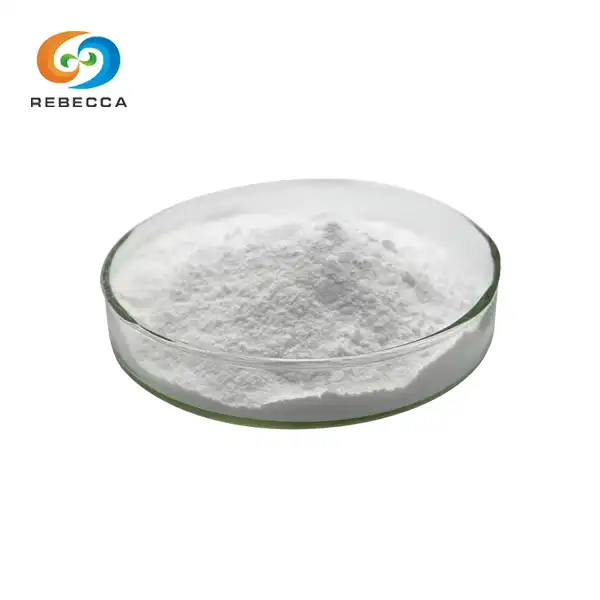
1.Product Name: Synthetic Capsaicin
2.Other Name:nonivamide powder, Pelargonic acid vanillylamide, Synthetic N-Vanillylnonamide
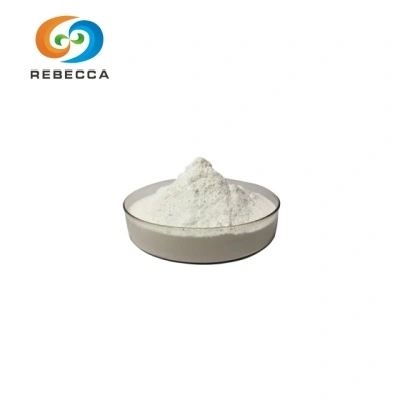
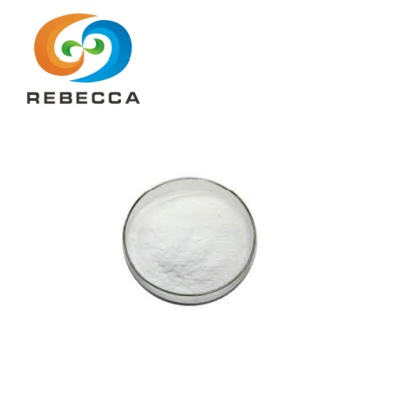
3.Appearace: Off-white to white powder
4.Specification: ≥98% HPLC
5.CAS No.:2444-46-4
6.Scoville Heat Unit:16,000,000 SHU
7.Molecular formula:C17H27NO3
8.Melting Range: 55~61℃
9.Synthetic capsaicin Professional Manufacturer and Supplier
10.Solubility:Soluble in Chloroform, Ethanol & Insoluble in Water
11.Package: 1kg/Aluminum foil bag, 20Bags/Drum
12.Free Sample Available, COA,MSDS Available
Understanding Synthetic Capsaicin
Before we look at the areas of use, it is useful to know what this material really is on the chemical level, and how it differs from the form in nature.
Definition and Origin
Synthetic capsaicin is an artificial chemical molecule. It is manufactured by chemical synthesis and is not sourced from chili peppers. It is most typically marketed in commerce as nonivamide (or PAVA, pelargonic acid vanillylamide). Nonivamide is a structural analog of the natural substance and produces the same burning “hot” sensation on skin and mucous membranes.
It is made in controlled reactors so that each batch has the identical chemical profile. This avoids a problem typical of plant extracts where concentration is dependent on the species of pepper, the growing conditions and the extraction procedure. The lab-made variant is much easier for manufacturers that need a consistent, uniform raw material.
Key Chemical Properties
Chemistry describes the behavior of produced capsaicin. Here are the most crucial technical things buyers and researchers should know:
•Chemical name: Nonivamide (N-[(4-hydroxy-3-methoxyphenyl)methyl]nonanamide)
• CAS No.: 2444-46-4
• Molecular formula: C₁₇H₂₇NO₃ (17 carbon atoms, 27 hydrogen atoms, 1 nitrogen atom and 3 oxygen atoms)
• Molecular weight: 293.40 g/mol State Off-white to white crystalline powder
Melting point: ~55-57 °C ·Solubility: Soluble in ethanol, methanol and most organic solvents; poorly soluble in water
These properties make the powder easy to weigh, dosage and create. Its pure crystalline structure also implies it is suited for precision HPLC testing which is crucial for pharmaceutical quality control.”
Synthetic Capsaicin vs. Natural Capsaicin
The natural capsaicin is C18H27NO3 (molecular weight ~ 305.4 g/mol) whereas the synthetic capsaicin sold as nonivamide is C17H27NO3. The difference is a single carbon in the fatty acid side chain. But in practice , the two compounds bind to the same receptor ( TRPV1 ) and generate the same heat sensation . For this reason , nonivamide is widely known as a functional alternative .
The lab-produced one has the advantage of being scalable. Natural extraction suffers from unpredictability in harvest, drying, and solvent processing. A synthetic method produces a homogeneous product on an industrial scale, which is what pharmaceutical and food companies need for consistent finished items.
Main Applications of Synthetic Capsaicin
Now that we’ve got the chemistry out of the way, let’s examine where this molecule is really used. It can activate heat and pain receptors . This makes it valuable in a wide range of different industries .
Pain Research and TRPV1 Studies
In the laboratory, synthetic capsaicin is commonly used to study how the brain and nervous system perceive pain and heat. It selectively activates the TRPV1 receptor on sensory neurons, letting researchers induce a controlled response and observe the firing, adaptation and desensitization of nerve cells. This research supports development of new pain treatments especially non-opioid analgesics.
The chemical consistency of the material allows to repeat the results from experiment to experiment and from one laboratory to another. This reliability is one of the main reasons nonivamide has replaced natural extracts in most contemporary TRPV1 research protocols.
Topical Pain Relief Products
Synthetic capsaicin is a significant active ingredient in lotions, patches, gels and ointments used for muscle aches, arthritis and neuropathic pain such as postherpetic neuralgia. Applied to the skin it first creates a warm tingling sensation. With repeated use, the local nerve endings become desensitized, lowering the pain signals in the treated area.
The formulators appreciate it because the dose needs to be just on.” A patch labeled at a given concentration should provide that concentration each time. The batch to batch homogeneity of nonivamide makes meeting strict pharmaceutical requirements much easier than plant derived substance.
Food, Flavoring, and Industrial Uses
Synthetic capsaicin (nonivamide) is used in the food industry as a flavoring additive to enhance pungency to sauces, snacks and processed meals. It's heat stable and can easily be standardized on the Scoville scale, so food makers can manage the amount of spice they use. In certain countries it is also permissible to replace the natural capsaicin of specific kinds of food.
It is also present in food, medicine, animal repellents, anti-fouling coatings for maritime boats and self-defense sprays. It is a natural irritant to mammals and insects and so is the obvious option for such defensive usage and its lab origin means it is available all year round.
Safety, Handling, and Quality Control
Safety can’t be an afterthought with such a strong substance. Anyone who uses it must know how to safeguard workers, how to keep the material appropriately and how to verify quality on delivery.
Personal Protective Equipment (PPE)
Synthetic capsaicin is a strong irritant. May cause burning, redness and irritation on contact with skin, eyes, mucous membranes. This may result in coughing and respiratory problems from inhaling airborne particles. PPE appropriate to the level of handling is necessary.
Recommended protection: chemical resistant nitrile gloves, safety goggles or complete face shield, long sleeved lab coat and well-fitted particle respirator (N95 or greater). Weighing and transfer should be done in a fume hood or under local exhaust ventilation to prevent dust exposure in the breathing zone.
Storage and Disposal
Store synthetic capsaicin in a firmly closed, opaque container in a cool, dry area away from heat, sparks and direct sunlight. Store under 25 °C. Preferably. Room with regulated humidity to prevent caking. Under these circumstances the product generally stays at the declared purity level for at least 24 months.
Waste and contaminated PPE disposal should be in accordance with the local hazardous chemical waste rules. Never dump powder down a drain or toss it in the garbage. Small levels might aggravate downstream workers.
Quality Standards Buyers Should Verify
Always ask for a Certificate of Analysis (COA) for every batch of synthetic capsaicin you purchase. A decent COA will include the assay (generally > 98% or ≥ 99% by HPLC), melting point, moisture content, residual solvents and heavy metals . “Pharmaceutical buyers should also ask for the microbial testing results.
Look for vendors who have ISO 9001 quality standards and if relevant, have Kosher, Halal or GMP-aligned certifications. These credentials show that the manufacturer’s procedures are recorded, audited and replicable.
Sourcing Synthetic Capsaicin from Rebecca Bio-Tech
Knowing the chemical is one thing. Another is to get a reliable source. That’s why consumers looking for this chemical in bulk should choose Rebecca Bio-Tech as a viable option.
Production Capacity and Quality
Rebecca Bio-Tech Bio-Tech is one of the leading synthetic capsaicin producers in China with an annual manufacturing capacity of roughly 24 tons. This capability will be available for modest research requests and large container-load shipments for industrial clients. Each batch is checked internally by HPLC, and a COA is provided before to distribution.
The product is offered with a minimum assay of 98% and with pharmaceutical, food & industrial grade standards. Standard packaging is 25 kilogram fiber drums with double PE inner liners. Custom packaging available upon request.
Competitive Pricing and Global Supply
Rebecca Bio-Tech has its own synthesis process, enabling it to price synthetic capsaicin competitively with local and foreign vendors. Bulk discounts are available for purchases over 100 kg and quotes are often sent back within one business day.
We provide international shipment with FOB, CIF and DDP options. Regular export destinations include the United States, the European Union and Southeast Asia and the Middle East. Full export paperwork (MSDS, COA, invoice, packing list and certificate of origin) is made for every shipment.
Custom Solutions and Contact
Rebecca Bio-Tech also does special orders for synthetic capsaicin, including special particle sizes, higher purity grades and private-label packaging. The manufacturing team may provide direct technical assistance, shortening the development timelines for new formulas.
You may inquire for a sample, COA or a formal quote by contacting information@sxrebecca.com. Please include your goal grade, quantity, destination port, and intended use so the team can answer with precise pricing and lead time.
Conclusion
Synthetic capsaicin, also known as nonivamide powder, is a versatile ingredient used in over-the-counter pain relievers, spicy cuisine, and industrial repellents. It is easier to handle than natural capsaicin extracts because of its continuous purity, recognized potency and availability on an industrial scale. When handled with the correct personal protective equipment (PPE), kept under regulated circumstances and acquired from a qualified manufacturer like Rebecca Bio-Tech, it will give consistent performance in practically any application.
FAQ
1. Is synthetic Capsaicin natural Capsaicin?
Not really. The synthetic version is usually nonivamide (C 17 H 27 NO 3 ). This contains one less carbon than natural capsaicin (C 18 H 27 NO 3 ). Both work on the same TRPV1 receptor and provide the same heat sensation , hence nonivamide is widely accepted as a functional equivalent .
2. What is the CAS number of nonivamide?
CAS Number 2444-46-4 Molecular Weight 293.40 g/mol
3. Is nonivamide safe for food use?
Yes, it is allowed in many locations as a flavoring ingredient in controlled levels. Always check local food safety requirements (e.g. EFSA in the EU or FDA guidelines in the US) before adding it to a product.
4. How should the powder be kept?
Store in a cool, dry, well-ventilated place, below 25°C, in a tightly closed container, away from direct sunlight and heat. Shelf life is in the order of 24 months under these conditions.
5. What level of purity does Rebecca Bio-Tech offer?
The standard product from Rebecca Bio-Tech is provided at minimum 98% assay by HPLC, with higher purity grades available upon request for pharmaceutical companies.
Reference
1. Caterina, M. J., Schumacher, M. A., Tominaga, M., Rosen, T. A., Levine, J. D. & Julius, D. (1997). The capsaicin receptor: a heat-activated ion channel in the pain pathway. Nature 389, 816–824 (1997)
2 . Basbaum , A . I . , Bautista , D . M . , Scherrer , G . & Julius , D . ( 2009 ) . Cellular and molecular processes of pain. Cell 139(2), 267-284.
3. Anand, P. and Bley, K. (2011). Therapeutic potential and mechanisms of action of the novel high-concentration capsaicin 8% patch in pain management: topical capsaicin British Journal of Anesthesia, 107(4), 490–502.
4. Reyes-Escogido M L, Gonzalez-Mondragon E G, Vazquez-Tzompantzi E. Capsaicin: Pharmacological and chemical characteristics. Molecules, 16, 1253-1270.
5. Chung, M. K., & Campbell, J. N. (2016) Capsaicin for pain relief: Mechanistic and therapeutic considerations Pharmaceuticals, 9 (4), 67.
6. Fattori V, Hohmann MS, Rossaneis AC, Pinho-Ribeiro FA, Verri WA. Capsaicin: current information about its mechanisms of pain and various pre-clinical and clinical uses. Molecules 21 (7), 844.