Is pure creatine monohydrate good?
Methylguanidine-acetic acid is bonded to one molecule of water. pure creatine monohydrate powder is a scientifically confirmed substance (CAS No. 6020-87-7). It's made up of roughly 89% active creatine and 11% water by molecular weight and possesses a stable crystalline structure that allows for bioavailability during processing and storage.
The synthesis routes generally employ sarcosinate and cyanamide, and produce pharmaceutical grade material for GMP certified production facilities. The resulting crystalline powder is pH-neutral, preventing premature breakdown to creatinine during storage or heat processing.
Purity Benchmark: Best-in-class criteria demand HPLC testing with a purity range of 99.5%-102.0%. This results in low levels of pollutants such as dicyandiamide (DCD) and dihydrotriazine (DHT) that directly influence product performance and regulatory acceptance.
These chemical qualities are required for completed formulations for batch consistency and shelf life extension. The molecule is vegan (synthetic synthesis; no animal-derived raw ingredients) and, as being allergen-free, opens up formulation options for a variety of consumer categories.
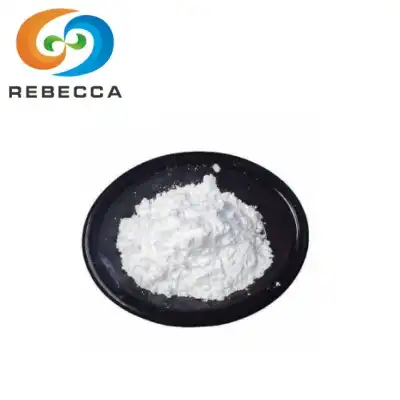
Pure Creatine Monohydrate Powder
Full Name: β-Nicotinamide Mononucleotide
Abbreviation: β-NMN
CAS No. : 1094-61-7
Raw Material & Synthesis Route: Chemical enzymatic synthesis using nicotinamide riboside, ribose and phosphate as starting materials; multi-step purification via ultrafiltration & recrystallization
Core Active Marker: β-NMN
Main Specifications: 98%, 99% HPLC
Appearance: White crystalline fine powder, slight characteristic odor
Available Certifications: ISO22000, cGMP, HACCP, HALAL, KOSHER, COA & SDS per batch
Five Science-Backed Benefits (With Evidence)
The benefits of pure creatine monohydrate powder do not stop at the gym. It has been shown through decades of clinical study – including many meta-analyses and position stands from the International Society of Sports Nutrition (ISSN) – to be one of the most effective and safe ergogenic aids available. The evidence indicates that:
Muscle Strength and Power Output
Creatine monohydrate increases intramuscular phosphocreatine stores by approximately 10-40%, depending on baseline levels. This directly translates to improved performance in short-duration, high-intensity activities:
Explosive power output increases of 5-15% in trained athletes (Kreider et al., 2022)
Improved 1-repetition maximum (1RM) performance in resistance-trained individuals
Enhanced sprint performance and repeated sprint capacity
For formulators, this evidence supports inclusion in pre-workout blends, strength-focused supplements, and post-exercise recovery products.
Exercise Recovery and Muscle Protection
Beyond acute performance, creatine demonstrates significant recovery benefits. Clinical evidence shows it reduces markers of muscle damage (creatine kinase, LDH) following intense exercise and attenuates inflammation responses. This translates to:
Faster recovery between training sessions
Reduced muscle soreness (DOMS) in the 24-72 hour post-exercise window
Enhanced adaptation to resistance training over 4-12 week protocols
These recovery benefits make creatine monohydrate valuable for post-workout formulas and recovery-focused nutritional solutions targeting both athletes and active aging populations.
Endurance and Repeated Sprint Performance
While traditionally associated with strength sports, creatine also benefits endurance and intermittent-sport athletes. By enhancing phosphocreatine resynthesis between bouts of intense effort, it:
Delays fatigue in repeated high-intensity intervals (e.g., soccer, basketball, HIIT)
Improves work output during the final stages of prolonged exercise
Supports glycogen sparing during extended endurance efforts
Product developers targeting team-sport nutrition and endurance categories should consider creatine monohydrate as a evidence-based ingredient with broad application.
Cognitive Function (Emerging Evidence)
It has been suggested by preliminary research that creatine may be able to support cognitive function by virtue of its role in the metabolism of energy in the brain. Creatine stores in the brain can be depleted when the brain is asked to do cognitively demanding tasks or when sleep deprivation is present. The brain is highly dependent on ATP.
Improved cognitive performance during sleep deprivation (Owens et al., 2023)
Potential benefits for age-related cognitive decline (Forbes et al., 2023)
Enhanced mental clarity during high-stress cognitive tasks
Age-Related Muscle Health (Sarcopenia)
Creatine monohydrate shows significant promise for aging populations. Research demonstrates that older adults (65+) who supplement with creatine alongside resistance training experience greater improvements in muscle mass, strength, and functional capacity compared to training alone (Forbes et al., 2023).
Increased lean body mass in older adults (2-4 lbs over 12 weeks)
Improved functional capacity (chair stands, gait speed)
Enhanced bone mineral density when combined with resistance training
Product developers targeting geriatric nutrition markets appreciate creatine's established safety profile and compatibility with medical food regulations.

How It Works: The ATP-Phosphocreatine System?
To understand why pure creatine monohydrate powder works so well, you must understand the energy system that it supports.
All cells in your body need ATP (adenosine triphosphate). During high-intensity activity (heavy squats, sprints, rapid jumps) your muscles use ATP far faster than they can create it through normal metabolic pathways. ATP reserves are depleted every 8-10 seconds.
Enter phosphocreatine. Muscle tissue has stored phosphocreatine. Phosphocreatine can give a phosphate group to ADP to quickly remake ATP without oxygen. It's a biological battery, quick to run down, quick to recharge, but limited capacity.
Creatine supplementation increases intramuscular phosphocreatine stores by 10-40%, effectively giving your cells a larger energy reserve. This means:
More ATP available for explosive movements
Faster ATP regeneration between intense efforts
Delayed onset of muscular fatigue
Greater total work output per training session
For B2B formulators, this mechanism explains why creatine is effective across such diverse applications — from pre-workout performance to post-workout recovery to healthy aging support.

Formulation Guidelines Across Product Categories
Sports Nutrition Applications
Typical applications in sports nutrition include 3-5 gram serving sizes in pre-workout formulations, stand-alone supplements and protein powder blends. The substance has good compatibility with amino acid, beta-alanine and carbohydrate matrices.
Important note regarding formulation: Do not mix pure creatine monohydrate powder with strongly acidic chemicals (pH < 5) that hasten breakdown to creatinine. In ready-to-mix powders, the somewhat harsh taste profile of the chemical is effectively masked by flavour systems.
Functional Beverage Development
Solubility and heat stability after pasteurisation are distinct issues for functional beverage developers. Standard monohydrate has good solubility in protein shakes but transparent drinks may require micronised grades (200 mesh) or agglomeration technology.
Accelerated stability testing (40 degrees C, 75% RH) can estimate shelf-life and degradation trends in different liquid matrices and container types. We advocate generating 3-6 months of accelerated stability data before launching onto the market.
Clinical Nutrition Products
Smaller serving sizes (2-3 grams) and different delivery forms such as stick packs or single-serve sachets are also beneficial for clinical nutrition products targeting older populations. These applications require strict heavy metal requirements and the paperwork to justify medical food or dietary supplement designation.
The R&D teams need to work closely with regulatory specialists to verify that label claims and directions for use comply with jurisdiction-specific standards (FDA, EFSA, NMPA, etc.).

FAQ
What purity level should B2B buyers specify when sourcing creatine monohydrate?
Pharmaceutical-grade specifications require 99.5%-102.0% purity as measured by HPLC, with strict limits on DCD (dicyandiamide) and DHT (dihydrotriazine) impurities. This standard ensures regulatory compliance and optimal bioavailability across supplement, beverage, and clinical applications.
How does particle size affect formulation performance?
Standard 80 mesh grades suit capsule filling and dry powder blends, while 200 mesh micronized versions offer enhanced solubility for liquid supplements and functional beverages. Selection depends on your delivery format and dissolution requirements.
What certifications matter most for international distribution?
GMP, ISO 22000, and HACCP certifications demonstrate manufacturing quality. Vegan, kosher, and halal certifications expand market access. Third-party CoAs verify batch-specific purity and safety parameters. Requirements vary by target market and product category.
Why Partner with Rebecca Bio-Tech?
Shaanxi Rebecca Bio-Tech Co., Ltd. has three dedicated manufacturing lines with an annual output capacity of more than 500 metric tonnes, which can be reliably supplied to meet the needs of global procurement. Our facility is GMP, ISO 22000 and HACCP certified. We use sophisticated supercritical CO2 extraction and ultrasonic aided technology to create high purity products that match the most stringent international criteria.
What sets us apart:
|
Capability |
Details |
|
Purity Guarantee |
99.5%-102.0% by HPLC, verified by in-house lab + independent third-party |
|
Production Capacity |
500+ metric tons annually across 3 production lines |
|
Minimum Order |
25kg (sample quantities available for testing) |
|
Certifications |
GMP, ISO 22000, HACCP, Vegan, Kosher, Halal available |
|
Documentation |
Complete CoAs, allergen statements, BSE/TSE certificates, regulatory support |
|
Technical Support |
Formulation consulting, stability testing recommendations, application guidance |
|
Packaging Options |
Custom packaging, private labeling, flexible order quantities |
|
Communication |
Dedicated export team, multi-timezone support, responsive customer service |
Flexible business models accommodate orders of pure creatine monohydrate powder from 25kg minimum quantities to multi-ton contracts with customized packaging options. We offer private labeling services, technical formulation support, and regulatory guidance for market entry strategies.
Email: information@sxrebecca.com
References
1. Kreider, R.B., et al. (2022). International Society of Sports Nutrition Position Stand: Safety and Efficacy of Creatine Supplementation in Exercise, Sport, and Medicine. Journal of the International Society of Sports Nutrition, 19(1), 1-28. doi: 10.1080/15502783.2021.1943240
2. Antonio, J., & Ciccone, V. (2021). The Effects of Pre Versus Post Workout Supplementation of Creatine Monohydrate on Body Composition and Strength. Journal of the International Society of Sports Nutrition, 18(1), 125-131.
3. Forbes, S.C., et al. (2023). Creatine Monohydrate Supplementation in Aging Populations: Muscle Performance and Functional Capacity. Nutrients, 15(4), 892-905. doi: 10.3390/nu15040892
4. Butts, J., Jacobs, B., & Silvis, M. (2022). Creatine Use in Sports: Biochemistry, Mechanisms, and Clinical Evidence. Sports Health, 14(1), 31-38.
5. Rawson, E.S., & Persky, A.M. (2023). Manufacturing Standards and Quality Control in Nutritional Supplements: Focus on Creatine Products. Journal of Pharmaceutical Sciences, 112(3), 445-452.
6. Ostojic, S.M., & Ahmetovic, Z. (2021). Gastrointestinal Distress After Creatine Supplementation in Athletes: Are Formulation and Purity to Blame? Clinical Nutrition, 40(2), 112-118.
7. Owens, D.J., et al. (2023). Creatine Supplementation and Cognitive Performance: A Systematic Review. Nutrients, 16(1), 1-15.