What does pure creatine monohydrate do?
A popular sports nutrition supplement,pure creatine monohydrate powder aids in promoting quick energy generation during brief, intense activity. It’s popular with strength athletes, gym users, sprinters, team-sport athletes and others who wish to increase training quality over time.
Creatine is a natural substance in the body and is also present in meals such as red meat and fish. However, food consumption alone may not adequately saturate muscular creatine reserves. Supplementing with creatine monohydrate may help build these reserves, particularly when taken regularly in conjunction with resistance exercise, appropriate protein consumption, sufficient calories, and correct recuperation.
Creatine monohydrate is NOT a steroid, hormone or stimulant. It's not a replacement for diet or workout. Instead, it fuels the energy system muscles use in repeated bouts of high-intensity exercise.
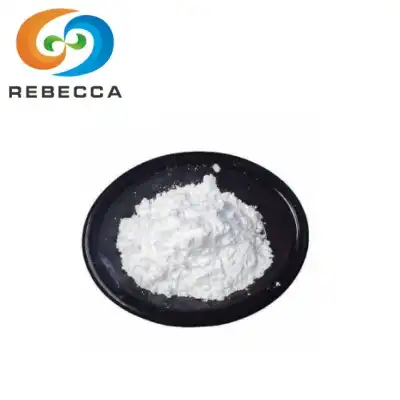
Pure Creatine Monohydrate Powder
Full Name: β-Nicotinamide Mononucleotide
Abbreviation: β-NMN
CAS No. : 1094-61-7
Raw Material & Synthesis Route: Chemical enzymatic synthesis using nicotinamide riboside, ribose and phosphate as starting materials; multi-step purification via ultrafiltration & recrystallization
Core Active Marker: β-NMN
Main Specifications: 98%, 99% HPLC
Appearance: White crystalline fine powder, slight characteristic odor
Available Certifications: ISO22000, cGMP, HACCP, HALAL, KOSHER, COA & SDS per batch
Enhance Muscle Performance
How Creatine Supports Rapid Energy Production
The primary purpose of pure creatine monohydrate powder is to aid in the quick recovery of adenosine triphosphate (ATP). In exercise, the primary energy source for muscle cells is ATP. When you lift a big weight, run, jump or do intensive intervals, your muscles burn thru ATP at a rapid rate.
ATP reserves may be restricted during brief bursts of exertion. Stored creatine in the muscle tissue aids with the production of phosphocreatine which may help promote the quick recycling of ATP. This might help athletes sustain power production for a little longer under intense exertion.
This impact is especially beneficial during activity that includes repeated bursts of effort. Examples include weightlifting, sprint training, football, rugby, basketball, CrossFit-style exercises, combat sports and high intensity interval training.
Which Types of Exercise May Benefit Most?
Pure creatine monohydrate powder is often most beneficial for activities requiring strength, speed, power or repeated high intensity efforts. It’s not meant to operate like coffee. There is no instant stimulating impact, no alertness boost within minutes.
Instead, it works by slowly building up creatine reserves in the muscles. Once muscle reserves are boosted users may discover they can get more reps in, sustain greater sprint performance, recover better between tough sets or create more power throughout repeated exercise.
For example, a person doing resistance training may be able to do one or two more repetitions of a given weight. That increased exercise volume may matter for higher muscle and strength gains over a few weeks.
Creatine supplementation may also be used by endurance athletes, although advantages are generally more obvious when the activity involves sprints, hills, accelerations, strength exercises, or repeated strong attempts. Creatine is not a supplement for steady-paced endurance performance over long distances.
What Creatine Does Not Do
Pure creatine monohydrate powder may help enhance athletic performance but it is crucial to have reasonable expectations. Creatine doesn’t create muscle without working out. It doesn’t substitute sleep, protein, water or a good training program.
Creatine doesn’t burn body fat either. Any weight a person acquires from taking creatine may be partially due to more water stored in the muscles. This is not the same as accumulating body fat .
Results vary from person to person. Those with lower beginning muscle creatine deposits (vegetarians or persons who infrequently consume meat or fish) will respond even better. However, many individuals who consume animal products may also benefit from supplementing.
One reason creatine is popular is because it helps you workout harder. But many users also want to know if regular supplementation will help them achieve long-term gains in muscle growth and strength.
Increase Muscle Mass And Strength
Why Creatine May Support Muscle Growth
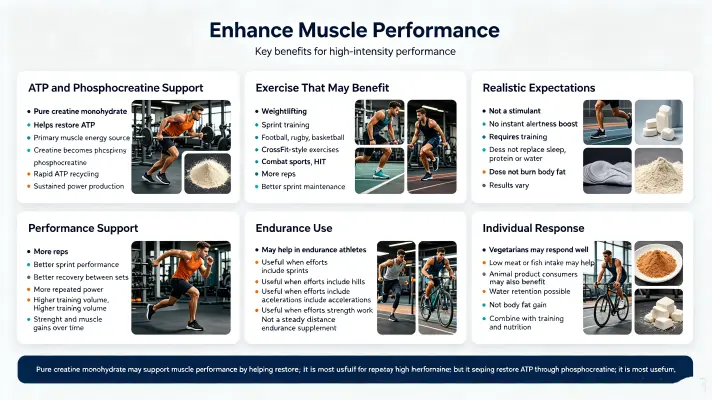
Pure creatine monohydrate powder may assist increase muscle mass mostly by enhancing ability to workout. The more quality work someone can do in resistance training, the greater training stimulus the muscles get in the long run.
Creatine may also increase water content in muscle cells. This may make muscles seem fuller, particularly in the initial few weeks of usage. More water within your cells is not the same as being fatter. This is one of the common reasons why body weight might increase while starting creatine supplementation.
In the long run, creatine could assist sustain improvements in lean mass when accompanied with persistent resistance exercise. Generally gradual overload training yields the greatest outcomes. That is, you increase the weight, repetitions, sets or complexity of training little by little.
How Creatine May Help Strength Development
The regular usage of pure creatine monohydrate powder may enable individuals to exercise harder and recover more efficiently between high intensity sessions, helping to improve strength. If a lifter can sustain a higher level of performance over a number of sets then total training volume may rise.
Creatine doesn’t turn a person around overnight and there are no strength increases. They come from numerous training sessions. Creatine could help sustain the quality effort throughout such sessions.
Therefore, creatine is often utilized throughout strength cycles, hypertrophy programs, powerlifting prep, bodybuilding programs, and off-season sports conditioning. It may also be helpful for novices who are trying to learn to train regularly, as long as they stick to reasonable dose and safety recommendations.
What Results Should Users Realistically Expect?
If you’re utilizing plain creatine monohydrate powder, don’t expect to see spectacular rapid alterations, but steady effects. Some people report a little rise in body weight over the first week or two. It is commonly linked to water retention in the muscular tissue.
As your muscle creatine reserves rise you may see performance gains in the gym. This may take a few days with a loading dosage or a few weeks with a regular daily dose without loading.
Many elements are involved in long-term changes. Factors include workout quality, calorie consumption, protein intake, sleep, stress levels, program design and individual reaction." Creatine can help you get there, but it can't do it for you.
Athletes need to be informed about the correct way to take creatine, since it might have an impact on training performance and body weight. Before adding a supplement to your regime you need to ensure you get the right dose, the right grade of product and that it complies with the particular sport you are in.
Recommendation For Athletes
Suggested Daily Use and Timing
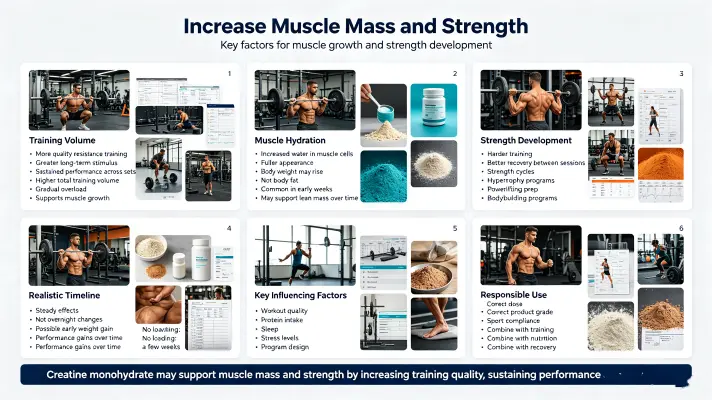
Most healthy individuals usually take a maintenance dose of 3 to 5 grams a day of pure creatine monohydrate powder. This is a simple, effective and maintainable strategy. You may take it before a workout, after a workout or whenever else in the day is convenient for you.
Timing is not as crucial as consistency. Creatine works by boosting muscle reserves over time. Taking it every day, even on rest days, might assist to keep those stockpiles up.
Others go into a loading phase. A common loading protocol would be to take about 20 grams a day, split into four smaller doses, for five to seven days. Users commonly continue with 3 to 5 grams each day thereafter. Loading phase is optional. If you don't load, you can still get to greater levels of muscle creatine with a regular daily dosage, but it will take longer.
Creatine is usually handy to take with water, protein drink, or a meal. Some people choose to take it with carbs or protein but the most crucial thing is still consistency on a daily basis.
Safety, Side Effects, and Who Should Seek Advice
Pure creatine monohydrate powder is typically well tolerated by healthy individuals when taken at regular suggested quantities. But supplements should always be taken properly. More isn’t always better.
Some users may have moderate stomach upset, bloating or loose stools, particularly if taking a big dose at one time. Splitting the dosage, taking creatine with meals or utilizing a lesser daily amount may enhance tolerance.
Scale weight is usually a little heavier. Often this is due to an increased water retention in the muscular tissue. This should not immediately be seen as fat gain.
If you have kidney illness, liver disease, or significant medical condition, or have had any medical condition or impaired kidney function in the past, please see a trained healthcare provider before taking creatine. Consult a healthcare expert before using this product if you are pregnant or nursing, a minor, or are on drugs that may impact kidney function.
Sport Compliance and Product Quality Matter
Athletes who comply with anti-doping regulations should be extremely cautious while buying pure creatine monohydrate powder. Creatine itself is typically not considered a banned drug under the main anti-doping organizations. However, supplement contamination is a genuine issue.
Poor standards of production and testing may lead to undisclosed chemicals in a product. Athletes are advised to consult the current anti-doping laws for their sport and to look for goods with proper batch testing or recognized third party sport certification if available.
Ask the provider for clear product information before purchase. This might contain a Certificate of Analysis, ingredient list, details of microbiological testing, heavy metal testing, production standards, batch number and expiry date.
It’s not enough for a label to say “pure” to prove it by itself. In most situations, pure creatine monohydrate is a product that includes creatine monohydrate, but no flavorings, sweeteners, stimulants or multi-ingredient pre-workout additions. The greatest approach to check quality is with comprehensive product documentation.
Once athletes are educated about advantages, dosage, and safety issues, the next step is picking a product with precise specifications. A sample request might be helpful in analyzing practical elements such as powder texture, packing, mixability, and communication with the provider.
Rebecca Bio-Tech: Free Samples
What to Check Before Ordering Creatine Monohydrate
Customers need to go beyond marketing promises when obtaining genuine creatine monohydrate powder. A good supplier should be able to give explicit product specifications and, upon request, applicable quality documentation.
Some of the key things to ask include: purity specification for creatine monohydrate, ingredients list, place of origin, testing standards, packaging choices, shelf life, storage conditions, minimum order quantity, shipping availability. Business purchasers may also want to know if private labeling, special packaging or bulk supply alternatives are available.
The solubility of the product may also be checked but be aware that creatine monohydrate does not always entirely dissolve into cold water. A tiny quantity of powder at the bottom of a glass does not always signal the product is of poor quality. Adding extra water, utilizing a warm beverage or shaking the drink might give you better dispersion.
Conclusion
Pure creatine monohydrate powder is one of the most studied and extensively utilized supplements for high-intensity exercise performance Its primary role is to help regenerate ATP quickly during periods of high demand. “This may help users train harder, get more quality reps, and recover better in between hard efforts.”
Creatine may also help with strength and lean muscle mass over the long run when accompanied with resistance exercise, good diet, enough protein and proper recovery. It is neither a shortcut, a stimulant, or a substitute for training discipline.
The best way is easy. Choose a clear product, apply the right quantity every day, be consistent, and if you have a medical problem or worries about taking supplements, see a specialist.
FAQ
1. Creatine monohydrate is not a steroid.
No. Creatine monohydrate is neither a steroid, hormone or testosterone enhancer. It’s a naturally occurring chemical that helps boost energy synthesis in muscle cells.
2. How long does creatine take to kick in?
Some persons may increase muscular creatine reserves within around 1 week (with a loading phase). A loading phase is not needed, but, it may take several weeks for a daily dose of pure creatine monohydrate powder to properly saturate the muscles if you choose not to load. Performance improvements normally happen gradually.
3. Do I need to take creatine on off days?
Yes. Most people take creatine everyday ( even rest days ) because the advantages come from maintaining larger levels of creatine in the body ( creatine from phosphocreatine ) .
4. Will creatine make me gain fat?
Creatine does not cause you to acquire fat. Some users gain weight because the pure creatine monohydrate powder increases the amount of water stored in the muscular tissue. Diet and overall calories consumed remain the primary drivers of body fat increase.
Request a Free Sample
Rebecca Bio-Tech has pure creatine monohydrate powder samples available for your own use, for retail distribution, for sports nutrition production or for private-label applications. contact us to inquire.
When requesting a sample, it is useful to state the intended application, nation or area, projected order volume, packaging needs and whether you need quality papers such as a Certificate of Analysis or product specification sheet.
Before order, please check sample availability, shipping cost, destination limitation, sample size and delivery schedule. A sample allows clients to evaluate packaging, communication, handling, and product mixability. However, it remains to be seen if one short experiment would be sufficient to assess the complete training benefits of creatine, which normally rely on persistent daily usage.
For product information, specification sheet or free sample inquiry contact Rebecca Bio-Tech at information@sxrebecca.com.
References
1. Kreider RB, Kalman DS, Antonio J, and others. Position stance of the international society of sports nutrition: creatine supplementation and exercise, sport, and medicine. Journal of the International Society of Sports Nutrition. 2017;14:18. doi:10.1186/s12970-017-0173-z
2. Antonio J, Candow DG, Forbes SC, et al. Creatine supplementation: frequently asked questions and misunderstandings. What does the science truly say? Journal of the International Society of Sports Nutrition 2021;18:13. doi:10.1186/s12970-021-00412-w
3. Lanhers C, Pereira B, Naughton G, Trousselard M, Lesage FX, Dutheil F. Creatine supplementation and lower limb strength performance: systematic review and meta-analyses. Sports Med. 2017;47(1):203-216. **DOI:** 10.1007/s40279-016-0571-4
4. Branch JD. Effects of creatine supplementation on body composition and performance: a meta-analysis. International Journal of Sport Nutrition and Exercise Metabolics. 2003;13(2):198-226. doi:10.1123/ijsnem.13.2.198
5. Maughan RJ, Burke LM, Dvorak J, et al. IOC consensus statement: dietary supplements and the elite athlete. British Journal of Sports Medicine. 2018;52(7):439-455. doi:10.1136/bjsports-2018-099027
6. Persky AM, Brazeau GA. Clinical pharmacology of the dietary supplement creatine monohydrate. Pharmacol Rev. 2001;53(2):161-176.