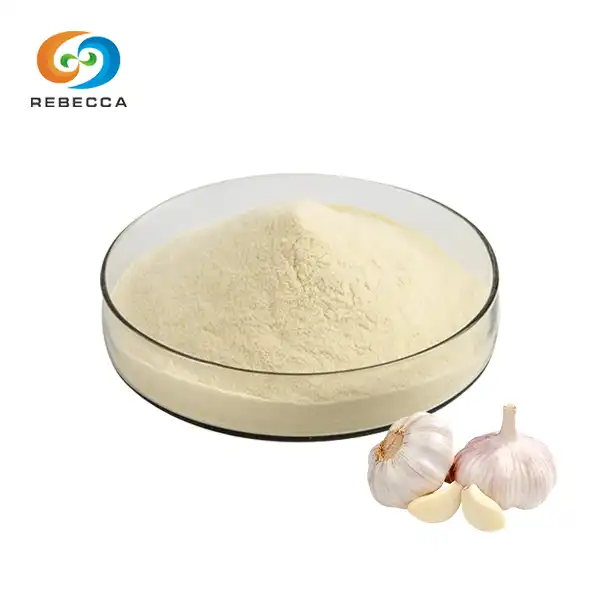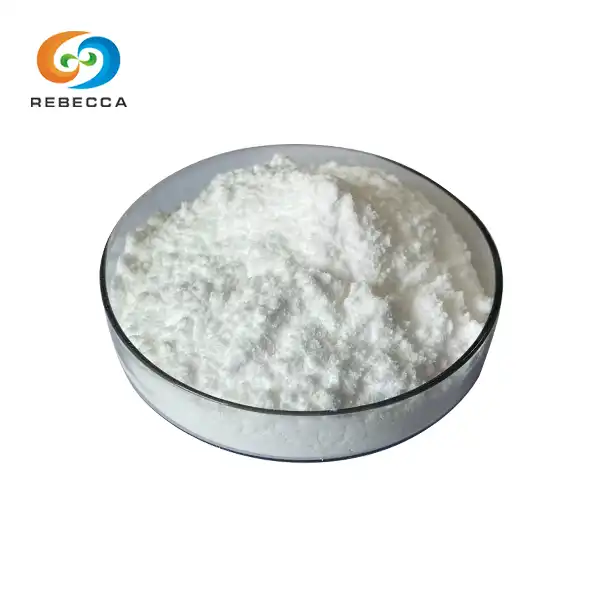
Does nonivamide powder have an advantage in stability?
One question keeps coming up when formulators and sourcing teams look at capsaicinoid ingredients: does the synthetic method really make supply lines more stable in the real world? The short answer is yes, and there are many reasons for this besides simple science. This article goes into great detail about the stability profile of nonivamide-powder">nonivamide powder, compares it to real capsaicin, and talks about why B2B buyers in a number of different industries are choosing it more and more as an ingredient in formulations.
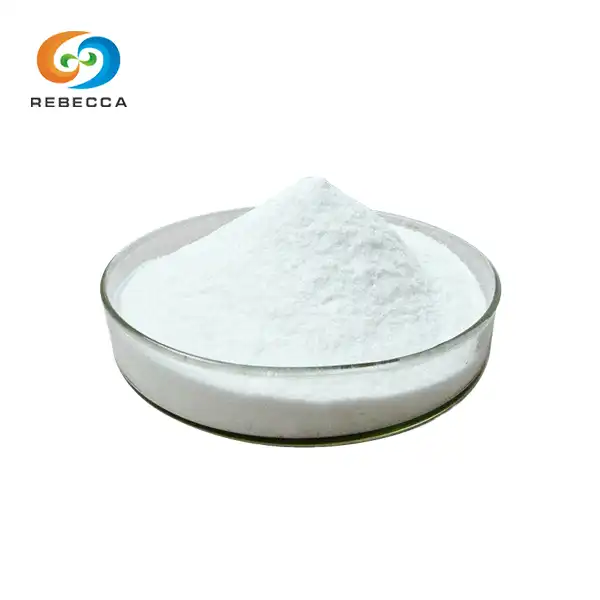
Nonivamide powder
1.Product Name: Nonivamide powder, synthetic capsaicin,
Pelargonic acid vanillylamide, Synthetic N-Vanillylnonamide
2.Specification: 70%, 98%, 99%, HPLC
3.Nonivamide CAS 2444-46-4
4. Nonivamide Professional Manufacturer and Supplier
5. Free Sample Available, MSDS Available
What Is Nonivamide Powder and Why Does It Matter to Formulators?
Chemical Identity
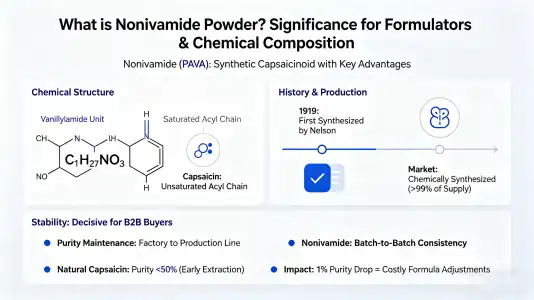
Nonivamide powder, which is also known as pelargonic acid vanillylamide (PAVA) or synthetic N-vanillylnonamide, is a man-made capsaicinoid with the formula C₁₇H₂₇NO₃ and the CAS number 2444-46-4. It is made up of the same vanillylamide building block as capsaicin. But because it has a saturated acyl chain instead of an unsaturated one like capsaicin, it acts physically in the lab and on the shelf in very different ways.
Nelson was the first person to synthesise the chemical in 1919. It can be found naturally in very small amounts in Capsicum annuum peppers. Today, though, almost all market supply comes from chemical manufacturing instead of extracting plants. That production background is what makes its stable story possible.
Why Stability Is a Decisive Factor for B2B Buyers
Stability is not an abstract quality for people who buy ingredients. It tells how long a raw material will keep its rated purity from the time it leaves the factory to the time it goes into a preparation line further down the line. Natural capsaicin purity can change below 50% in early extraction methods because of differences in cultivars, harvest times, and processing methods. All of those things don't happen at the source of nonivamide because the output is controlled by synthesis, not farming.
Batch-to-batch dependability is very important in areas like making useful foods, adding ingredients to health supplements, and making personal care products that you put on your skin. As little as a 1% drop in purity can mean that expensive re-formulations or quality-hold events have to be held. Nonivamide powder is made in a way that minimises that risk.
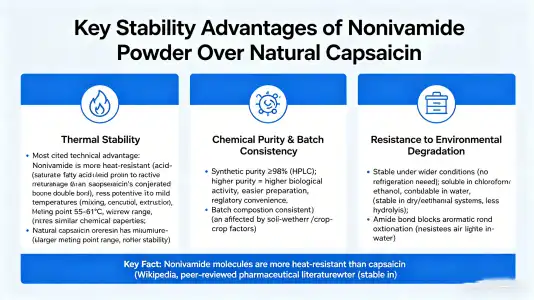
Key Stability Advantages of Nonivamide Powder Over Natural Capsaicin
Thermal Stability: The Most Cited Technical Edge
There are many science papers that say nonivamide can handle heat better than capsaicin. The compound's saturated aliphatic chain doesn't break down easily in the ways that reactive breakdown does to capsaicin's conjugated double bond. There is a much lower chance that the nonivamide powder will lose its effectiveness when it is mixed, encapsulated, or extruded when it is introduced to mild heat.
It melts between 55 and 61 °C, which shows a clear, narrow transition zone. The fact that the spread is so small shows that the chemicals are very similar. It's common for natural capsaicin oleoresins to have a complex mix of capsaicinoid isomers. This makes the melting range bigger and shows less regularity. The well-defined melting property of nonivamide powder makes it easier to work with consistently in thermal processes.
Important Fact: The nonivamide molecule is more heat-resistant than capsaicin, as shown in the Wikipedia article on the subject. This trait has been known about the substance since it was first made, and it is often mentioned in peer-reviewed drug literature.
Chemical Purity and Batch Consistency
Nonivamide can be made synthetically and is ≥98% pure by HPLC. This is a standard that plant preparation usually fails to meet without expensive multi-step processing. Higher purity immediately leads to more expected bioactivity, simpler math for preparation, and better regulation paperwork.
Haber et al. (2007) talked about PAVA's use as a standard agent and how the makeup and percentage of each batch can stay the same because synthesis is not affected by things like soil quality, weather, or crop growth. This isn't a small gain. One of the most disturbing supply chain risks for companies with constant production lines is an input item that doesn't always work.
Resistance to Environmental Degradation
Natural capsaicin oleoresin is affected by air, water, and light. To keep natural extracts from going bad too quickly, storage methods often call for them to be kept in a fridge or a controlled environment. Nonivamide powder, on the other hand, is a stable material that can be stored in a wider range of conditions without losing much of its purity.
The fact that nonivamide powder dissolves easily in chloroform and ethanol but not in water is another reason why stable formulation work is supported. This means that it can be predicted in systems that are either dry or ethanolic, which are common in many uses for cosmetic and functional ingredients. A powder that doesn't dissolve in water is also less likely to break down during storage due to hydrolysis, which happens a lot with plants that are sensitive to water.
In addition to being resistant to water, the chemical structure of the molecule blocks the aromatic ring oxidation route that breaks down capsaicin in airborne oxygen. The amide bond is chemically strong across normal storage temperature ranges. This means that a sealed, room-temperature package will stay pure for a long time if it is kept properly.
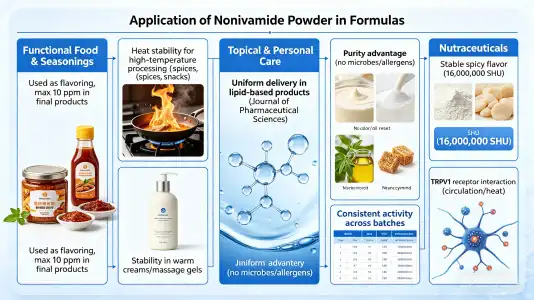
How Nonivamide Powder Performs Across Formulation Applications?
Functional Food and Seasoning Ingredients
Nonivamide can be used as a flavouring in food ingredients at levels of up to 10 parts per million (ppm) in finished goods. One of the main reasons it is used is that it stays stable during processing. It is necessary for an ingredient to be heat-stable when it is added to seasonings, spice mixes, or savoury snack sauces that may be made at high temperatures.
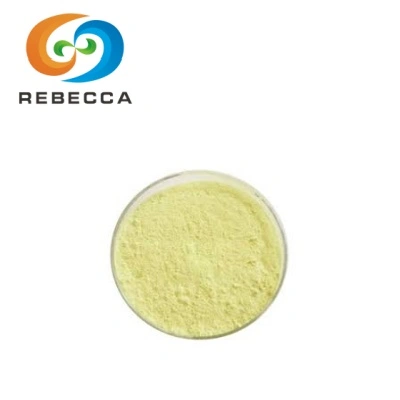
Another useful thing about nonivamide is that it doesn't add colour or oil that isn't needed to formulas. Capsaicin oleoresins that come from nature often have the red colour of chilli, which can make colour-sensitive goods more difficult to use. Nonivamide powder looks off-white to white and doesn't add any greasy texture. For companies that make light-colored or white-matrix healthy foods, that trait can make making a lot easier.
Topical and Personal Care Ingredient Use
When it comes to direct personal care products like warming creams, massage gels, and others like them, it's very important that the ingredients stay stable during production and during the product's shelf life. Microemulsion methods using nonivamide have been studied in the Journal of Pharmaceutical Sciences. This is because its chemical qualities allow uniform transport behaviour in lipid-based products.
People who make skin-contact goods with capsaicinoids also like nonivamide better than natural oleoresin. This is because a chemically pure molecule doesn't have the risk of microbes or allergens that can be found in plant sources. This benefit of purity immediately helps with product safety paperwork and following the rules in all markets.
Health Supplement Ingredient Applications
Nonivamide powder is popular as an ingredient in health supplements because it can consistently give a set amount of spiciness without the variations that come from plant-based materials. With a Scoville Heat Unit level of 16,000,000 SHU, which shows how strong the pure chemical is, formulators can confidently figure out the right amount to use because they know the ingredient's activity won't change between production runs.
As a group, capsaicinoids have been studied a lot for how they work with TRPV1 receptors in sense neurones. This is what makes them good at increasing blood flow and warmth. Because nonivamide is stable, an ingredient in a supplement keeps its specific activity profile throughout the whole supply chain, from the producer to the person who makes the final product.
Nonivamide Powder Supplier: Rebecca Bio-Tech
The main office of Rebecca Bio-Tech is in Shaanxi, China. It is a high-tech business that focuses on exports. Plant extracts, herbal active ingredient separation, and functional compound study for traditional Chinese herbal medicine are what we do best. We also do research and development on them and sell them. Our building has three separate production lines that can make more than 500 metric tonnes of more than 100 plant products and medicinal ingredients every year.
Our nonivamide powder is made to meet a quality standard of ≥98% by HPLC. It is also sold under the names Synthetic Capsaicin, Pelargonic Acid Vanillylamide, and Synthetic N-Vanillylnonamide. As a powder, it is off-white to white. Its CAS number is 2444-46-4, its molecular formula is C₁H₂NO₃, and its melting point range is 55–61 °C. It is said to be 16,000,000 Scoville Heat Units hot. The element doesn't mix with water but does mix with chloroform and ethanol.
People from all over the world come to us to buy ingredients for medicines, health supplements, drinks, and cosmetics. Our goods meet strict quality standards that are right for B2B sales around the world. Our team is ready to help you with your buying process, whether you need a sample for trying a recipe or paperwork for sending to the government.
Email our team at information@sxrebecca.com to get a free sample, get a COA or MSDS, or talk about your unique standard needs. We're excited to help you with your next preparation job.
FAQ
1. Is nonivamide powder more stable than natural capsaicin for long-term storage?
Yes. Nonivamide powder is confirmed to be more heat-stable than capsaicin, owing to its saturated acyl chain structure. It resists the oxidative and hydrolytic degradation pathways that affect natural capsaicin oleoresin. When stored in sealed packaging away from direct light and moisture, nonivamide powder maintains its rated purity for extended periods, making it preferable for global supply chains with long transit times.
2. What purity level is typical for high-grade nonivamide powder?
Premium-grade nonivamide powder reaches ≥98% purity by HPLC. This level is achievable through chemical synthesis, which avoids the variability inherent in botanical extraction. Natural capsaicin from early extraction methods often achieved purity below 50%, highlighting the significant gap between synthetic and natural-source capsaicinoids in this regard.
3. Does nonivamide powder require special storage conditions?
Nonivamide powder does not require refrigeration under standard supply chain conditions. It should be stored in a sealed container away from moisture, direct light, and incompatible solvents. Its water-insoluble nature helps protect it from hydrolytic breakdown. Aluminum foil packaging, which is a common commercial format, provides an effective moisture and light barrier.
4. How does nonivamide's stability benefit B2B ingredient buyers specifically?
For B2B buyers, stability means predictable quality across batches, reduced risk of purity loss during shipping, and simpler quality control documentation. Because nonivamide is produced through synthesis rather than agriculture, it is not subject to seasonal supply fluctuations or crop-quality variation. Manufacturers can scale production up or down as needed, and buyers can plan procurement with confidence in consistent specification compliance.
5. Can nonivamide powder be used in both food and personal care ingredient applications?
Yes. Nonivamide is used in food seasoning applications at regulatory-approved concentrations (up to 10 ppm in food products in relevant markets), as well as in personal care formulations such as warming creams and topical functional ingredients. Its off-white color, absence of oil or color transfer, and high purity make it compatible with a wide range of formulation matrices.
References
1. Wikipedia contributors. "Nonivamide." Wikipedia, The Free Encyclopedia.
2. Haber, P.S. et al. (2007). Composition and concentration consistency of PAVA. Referenced in: ScienceDirect Topics — Nonivamide.
3. Constant, H.L. & Cordell, G.A. (1996). Nonivamide in Capsicum annuum peppers. Referenced in: ScienceDirect Topics — Nonivamide.
4. Grokipedia. "Nonivamide."
5. Number Analytics. "The Ultimate Guide to Nonivamide."
6. Unilong Industry. "Nonivamide Powder: A Complete Guide for Industrial Applications." January 2026.